Why Wreckage Removal Deserves a Close Look
A boat policy can look reassuring until a vessel sinks, runs aground, or becomes a hazard after a collision. Then the owner may face questions about who must remove it, how quickly removal is required, and which policy provision pays. For boaters around Long Island, these details matter in busy waterways, near marinas, and along exposed stretches of coast. Wreckage removal is not always treated the same way as physical damage to the boat, so a hull limit alone may not answer the question. Reviewing the wording before boating season helps identify possible gaps and gives owners time to ask informed questions.
What Wreckage Removal Coverage Usually Means
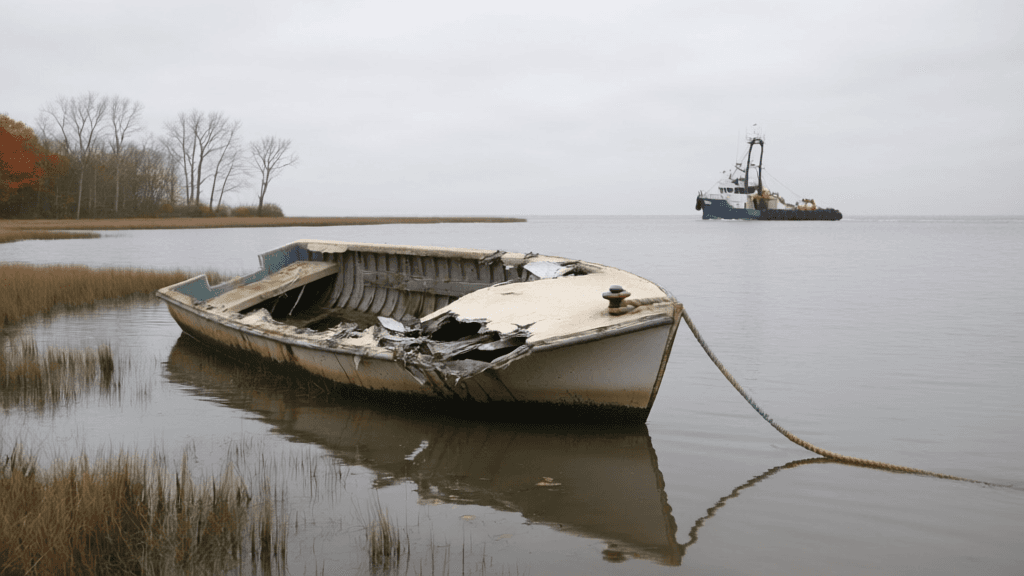
Wreckage removal coverage generally addresses reasonable expenses to raise, move, or dispose of a vessel when it is sunk or otherwise obstructing navigation, creating a hazard, or required to be removed by an authority. The exact trigger and payment limit depend on the policy. Some contracts provide a separate amount for removal; others include costs within a broader limit or apply specific conditions. A boat owner should check whether the provision applies when the boat is a total loss, whether removal must be legally required, and whether the insurer must approve a contractor or estimate. Do not assume that every cleanup or recovery expense automatically qualifies.
Check the Limit Against Real Recovery Costs
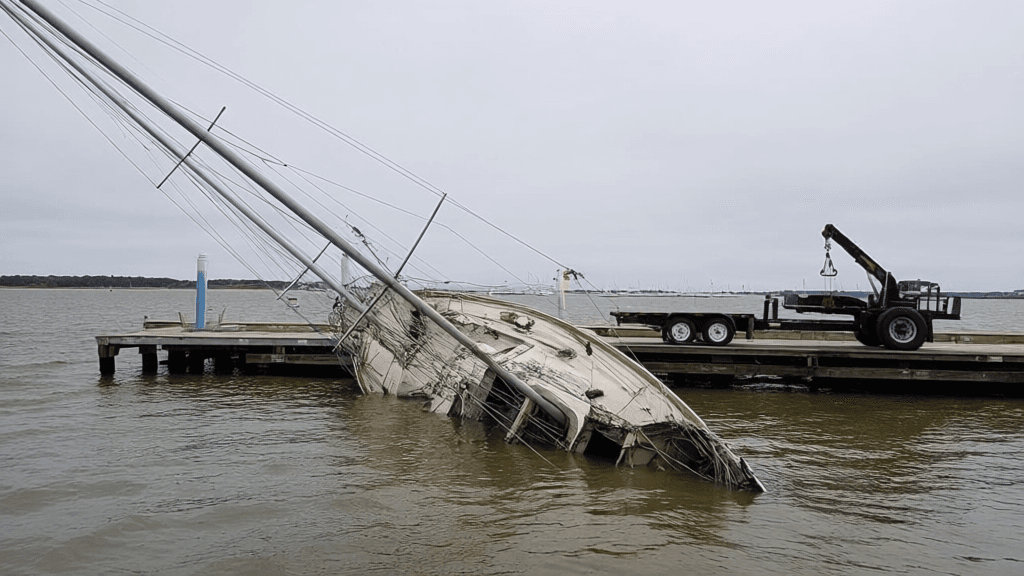
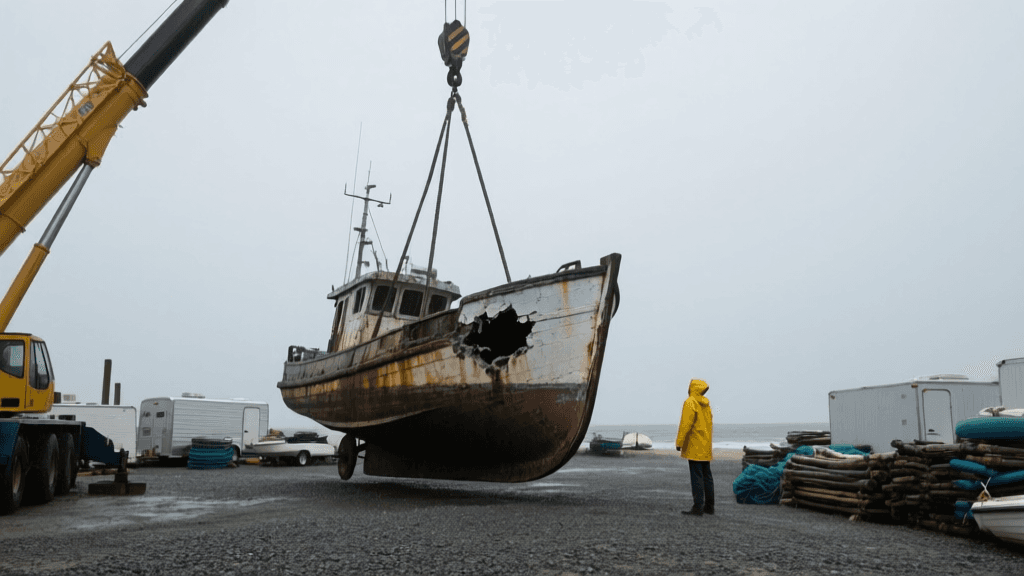
Look for a stated dollar cap, a percentage of the insured value, or language that combines wreck removal with another coverage limit. Then consider the kind of boat, its location, and the work a recovery could involve. A vessel resting in shallow, accessible water may be simpler to retrieve than one lodged near a dock, channel, or sensitive shoreline. Crane time, divers, towing, transport, disposal, and environmental precautions can all affect a contractor’s estimate. For a Long Island owner who keeps a boat at a marina or travels through crowded channels, ask how the limit would apply to a complicated recovery and whether it is separate from the hull payment.
Read Valuation and Deductible Language Together
Valuation determines how the policy calculates payment for covered damage to the boat, while wreck removal may be handled under a separate provision. Check whether the hull is insured on an agreed-value or actual-cash-value basis, and read the definition and settlement terms rather than relying on the label alone. Then find out whether the hull deductible also applies to removal expenses, whether a separate deductible exists, and whether any cost is subject to both a limit and a deductible. For example, a boat could be declared a total loss while removal expenses are evaluated separately. Written clarification from the insurer or licensed representative can help explain how those provisions interact in a claim.
Understand Salvage, Emergency Work, and Approval Rules
Salvage means efforts to recover or protect a vessel and property; it is not necessarily identical to removing wreckage. A policy may address salvage charges, emergency measures, towing, and wreck removal in different sections, each with its own conditions. Review whether the policy expects prompt notice, prior authorization, or use of an approved provider, and learn what to do when immediate action is needed to prevent injury or greater damage. Keep the insurer’s claims contact available and document the scene, instructions received, contractor estimates, and receipts when it is safe to do so. Never delay action required for safety or by authorities just to resolve a coverage question.
Coordinate Removal Coverage With Pollution Provisions
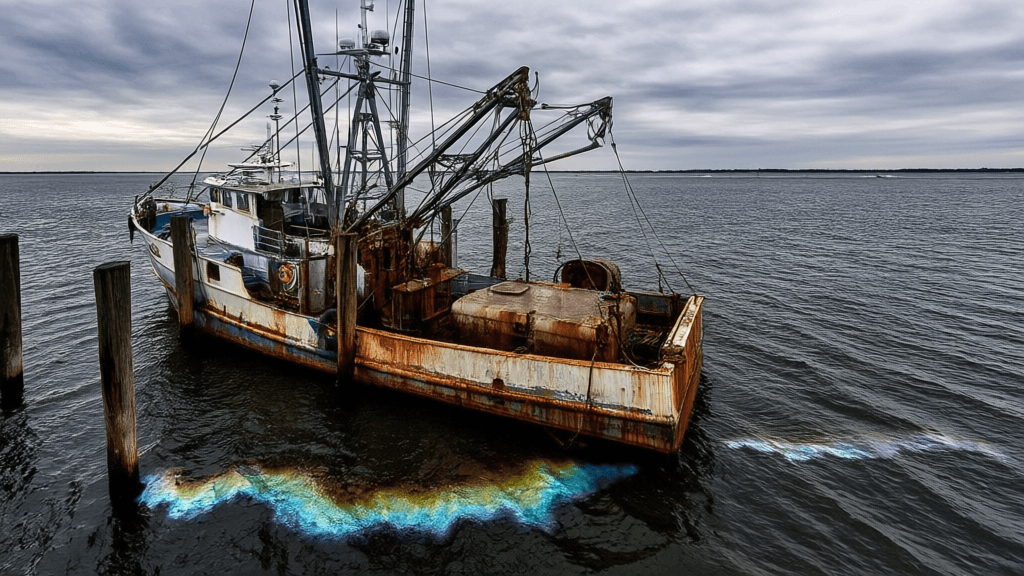
A damaged or sunken boat may release fuel, oil, or other pollutants, so removal and pollution-related expenses should be reviewed together. A wreck removal limit does not automatically mean pollution cleanup is covered, and a pollution liability section may have separate definitions, exclusions, reporting duties, or limits. Find out whether the policy addresses containment, cleanup, and third-party claims, and whether coverage depends on a sudden accidental event or another specified condition. Requirements can also arise from public authorities depending on the incident and location. Because exclusions and legal obligations vary, ask a qualified insurance professional to explain the actual wording rather than assuming that one coverage part will pay every environmental expense.
Long Island Conditions to Keep in Mind
Long Island boaters encounter a mix of bays, harbors, marinas, and open-water conditions. A grounding in a shallow area can present different access and recovery challenges from a sinking near a working waterfront or a busy passage. Owners based in Plainview, Hicksville, Bethpage, Syosset, Woodbury, Jericho, Levittown, Farmingdale, or Melville may keep boats at facilities elsewhere on the island, so the policy’s navigation territory and storage details should match actual use. Boaters near Huntington, Massapequa, and Wantagh should also consider where the vessel is used and how quickly a salvage contractor can reach it. Local circumstances do not change policy wording, but they can help make coverage questions more practical.
A Useful Policy Review Checklist
Questions to Ask Before Your Next Trip
- Where is the wreck removal provision, and what event or legal requirement triggers it?
- Is the removal limit separate from the hull limit, and is it a fixed amount or a percentage?
- Do salvage, towing, emergency measures, and pollution response have separate limits or conditions?
- Which deductible applies to removal expenses, and can multiple deductibles affect one incident?
- What notice, contractor approval, documentation, and safety procedures does the policy require?

What to Do Before a Claim Happens
Gather the declarations page and full policy, then mark the sections for hull coverage, wreck removal, salvage, towing, emergency expenses, pollution liability, exclusions, and claim duties. Ask for explanations in writing when a limit or trigger is unclear, and compare the answer with the actual contract language. Make sure the insured boat description, value, storage location, and navigation territory reflect how the vessel is currently used. Keep policy details and emergency contacts accessible both at home and aboard. If you change boats, move marinas, or expand where you travel, request a review before the change takes effect. A careful check now can make a stressful incident easier to manage.
Review Your Boat Policy Before the Season
Compare your wreck removal, salvage, valuation, deductible, and pollution terms, and ask a licensed insurance professional to clarify any gaps.
Get a Free Quote