

What Is Wreckage Removal Coverage on Long Island?
Wreckage removal coverage may pay eligible costs to remove, raise, or dispose of your boat after it sinks or is damaged in an accident, when removal is required by law or a public authority. It is often included in a boat policy or offered as part of physical damage coverage, but the wording and limit vary by insurer. On Long Island, where boaters use Long Island Sound, bays, harbors, and coastal launch areas, a disabled or sunken vessel can become a navigation or environmental concern. This protection is relevant to owners of powerboats, sailboats, and other insured vessels. Review your policy rather than assuming salvage and removal are automatically covered.
Why Long Island Boat Owners Should Review This Protection
Long Island’s combination of open Sound waters, sheltered bays, busy marinas, and changing coastal conditions means a grounding, collision, or onboard mechanical failure can leave a vessel in a place where it must be moved quickly. A wreck can obstruct navigation, create a hazard near a dock, or require specialized contractors to lift and transport it. Storms and rough water can also complicate recovery, though coverage depends on the policy and the cause of loss. Owners who boat from communities such as Huntington or Wantagh should consider where they operate, how far they travel, and whether their policy’s removal limit would be adequate for the size and location of their vessel.
What Wreckage Removal Coverage May Pay For
Depending on the policy, covered expenses may include a professional salvage operator’s work to locate, stabilize, raise, and remove a vessel, along with transport to an approved location or disposal when repair is not practical. The policy may require that removal be legally mandated, or it may apply when a covered physical damage loss occurs. A separate limit may apply, and some policies treat removal costs as part of the boat’s insured value rather than providing additional coverage. Fuel or pollutant cleanup, damage to another person’s property, and repairs to your own boat can be handled under different coverage sections or excluded. Confirm what triggers payment, which expenses qualify, and whether emergency authorization is needed.
Potential Benefits to Review
- May help cover eligible professional costs to raise, move, or dispose of a vessel after a covered incident.
- Can address removal obligations when an authority requires a wreck to be cleared from a waterway.
- May reduce the financial strain of arranging qualified salvage work after an unexpected boating loss.
- Can complement boat physical damage and liability coverage, which address different parts of an incident.

Factors That Can Affect Wreckage Removal Costs
Removal costs are not determined by a single standard price. A salvage company may consider the vessel’s length and weight, how deeply it has sunk, access for lifting equipment, water depth, weather, and whether the boat is near docks, other vessels, or sensitive areas. The urgency of clearing a navigation hazard and the distance to a suitable recovery site can also affect the work required. Long Island boat owners should compare these possible expenses with the specific removal limit in their policy instead of relying on a general estimate. Premiums and available terms can depend on vessel type, value, use, navigation area, storage, claims history, and selected deductibles; request an individualized quote to understand pricing.
How a Wreckage Removal Claim Usually Works
After an incident, first protect people and contact emergency services or the appropriate waterway authority if there is immediate danger. Notify your insurer as soon as practical, provide the location and circumstances, and follow instructions before authorizing non-emergency salvage work when possible. If an authority orders removal, keep a copy of the notice and note any deadline. Photograph the scene when it is safe, save contractor estimates and invoices, and record communications. The insurer may inspect the loss, confirm whether the cause is covered, and determine how the removal limit applies. Timelines depend on safety, weather, access, and claim review. Do not delay legally required action; ask the insurer how to coordinate urgent work.
Common Misunderstandings About Boat Wreck Removal
A frequent misconception is that every boat policy pays the full cost of removing any vessel under any circumstances. Coverage may be limited, tied to a covered physical damage event, or triggered only when removal is legally required. Another mistake is assuming wreckage removal automatically pays for pollution cleanup, damage to docks, or repairs to the boat; those may involve separate policy provisions, limits, or exclusions. Owners also sometimes assume the boat’s market value determines the removal limit, but the policy wording controls. Before boating from a Long Island marina or launch, read the declarations and relevant endorsements, ask how removal costs interact with the hull limit, and confirm who can authorize a salvage contractor.
Choosing a Suitable Coverage Limit
Start by checking whether your policy has a separate wreckage removal limit and whether that limit is additional to, or included within, the insured vessel value. Consider your boat’s size, construction, typical operating waters, storage location, and the practical access a recovery crew would have. A larger boat or one used in a difficult-to-reach area may require more specialized equipment than a small vessel near an accessible marina. Compare deductible rules, covered causes of loss, emergency procedures, and exclusions alongside the limit; the lowest premium may not provide the most useful protection. Ask an insurance professional to explain scenarios in plain language, and request policy wording or endorsements so you can verify the terms before choosing.
Getting Wreckage Removal Coverage on Long Island
To compare coverage, gather your vessel’s year, make, model, length, value, engine details, storage information, and typical navigation area. Ask specifically whether wreckage removal is included, what event triggers it, whether a legal removal order is required, how the limit applies, and whether pollution response is separate. Boat owners in Long Island and nearby communities including Plainview, Hicksville, Bethpage, Syosset, Woodbury, Jericho, Levittown, Farmingdale, Melville, Huntington, Massapequa, and Wantagh can use these details to seek a policy review or quote. Licensing and policy availability depend on the insurance professional and insurer; verify credentials and read the issued policy. The contract, not a general description, determines coverage.
Review Your Boat’s Removal Protection
Compare policy limits, triggers, and exclusions before your next trip on Long Island waters.
Get a Free QuoteAnswers to Boat Insurance Basics
It may pay eligible costs to raise, remove, transport, or dispose of a sunken or damaged insured vessel after a covered event. The policy may require a legal removal order and will specify limits, exclusions, and how expenses interact with physical damage coverage.
There is no single price for Long Island boat owners. A quote can depend on the vessel’s value, size, type, use, storage, navigation area, claims history, deductible, and the removal limit selected. Ask for an itemized explanation of the policy terms and premium.
Contact emergency services or the relevant authority if there is immediate danger, then notify your insurer promptly. Save any official removal order, take safe photographs, document contractor estimates, and follow the insurer’s directions about authorizing salvage work unless urgent safety or legal duties require immediate action.
Requirements can depend on the circumstances, waterway authority, and applicable rules; insurance coverage itself is not a substitute for complying with a removal order. Review your policy and ask the relevant authority or a qualified insurance professional about your situation in New York.
Not necessarily. Fuel or pollutant cleanup may be addressed by separate coverage, have a different limit, or be excluded. Ask the insurer to explain how the policy handles pollution response, salvage, and removal costs before relying on a particular protection.
Get Your Boat Coverage Started
Compare boat insurance options tailored to Long Island waterways in minutes.
Related Articles
Learn more about wreckage removal coverage on long island, ny with these expert guides
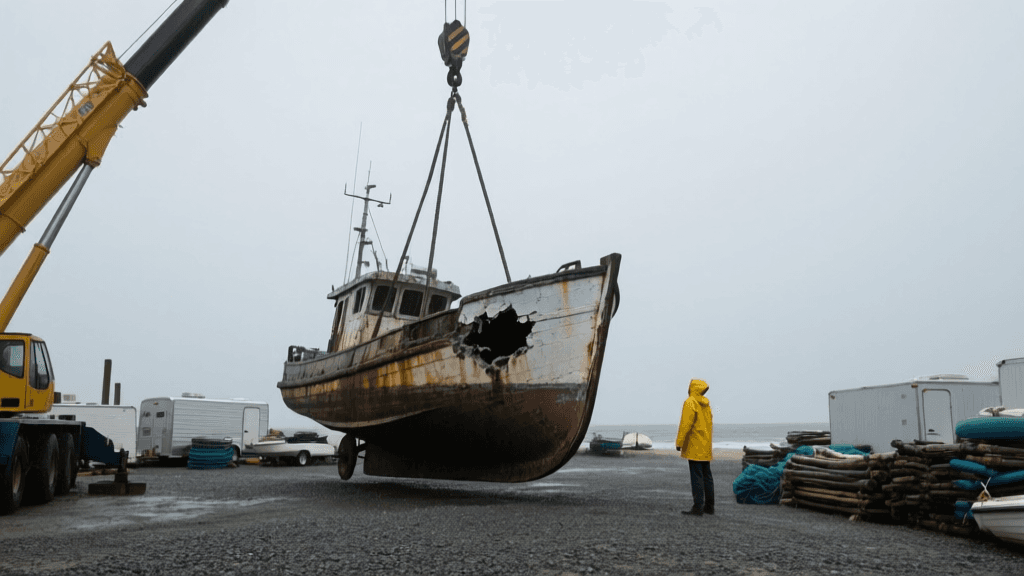
Wreckage Removal Coverage on Long Island, NY
Reviewing Wreckage Removal Limits in a Long Island Boat Policy
Wreckage removal provisions can affect what a boat owner pays after a sinking, grounding, or collision. This guide expla...
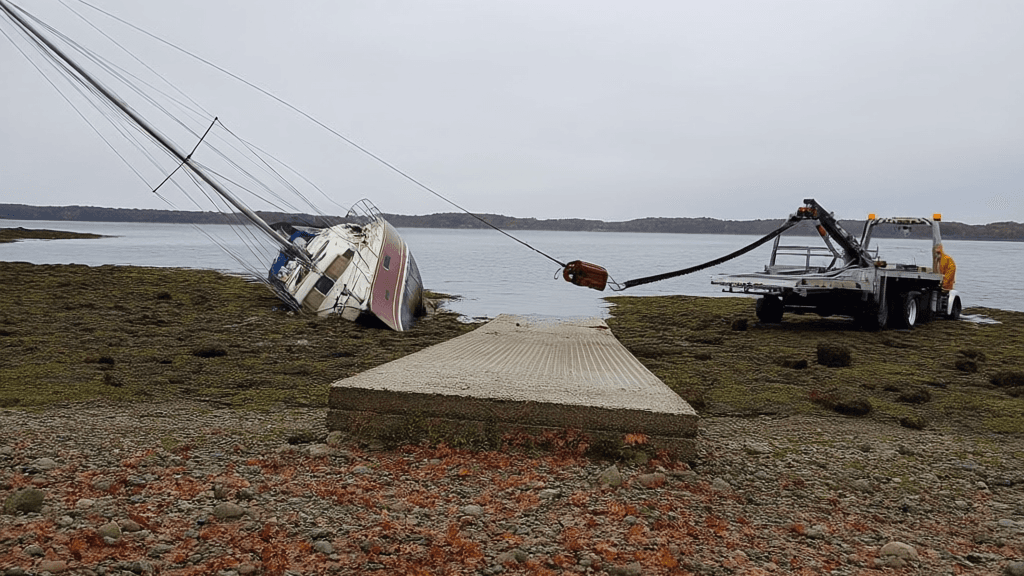
Wreckage Removal Coverage on Long Island, NY
Boat Wreckage Removal Costs on Long Island: Coverage Questions to Ask
Wreckage removal expenses on Long Island can vary widely according to vessel size, location, water conditions, accessibi...