Why These Boat Insurance Terms Matter
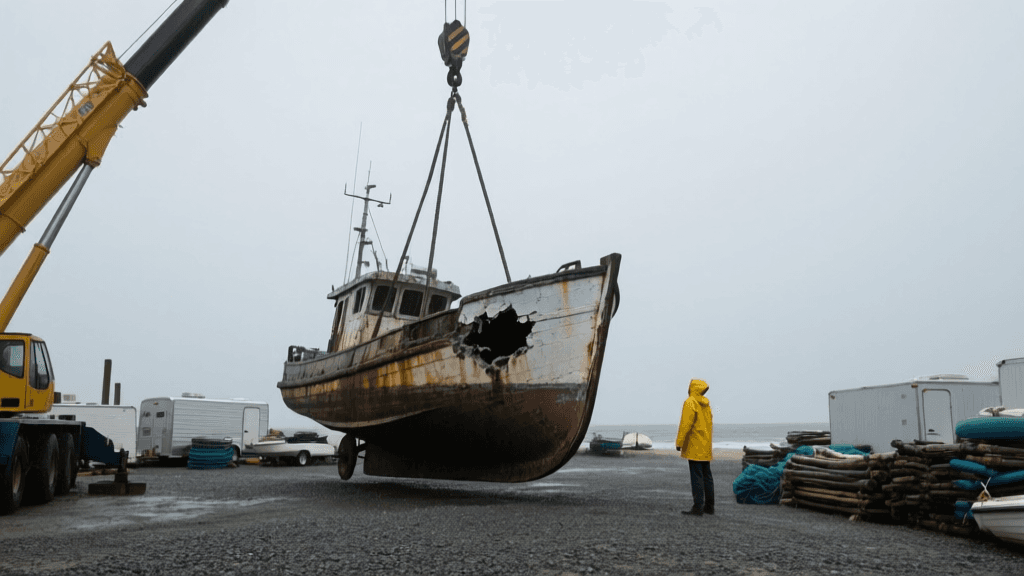
A boat accident can create two separate problems: the vessel may need to be saved or recovered, and its remains may need to be removed from the water. Boat insurance discussions often call the first service salvage and the second wreck removal, but policy wording determines how the costs are treated. For Long Island boaters, that distinction can matter after a grounding, collision, fire, or storm damage in a harbor or along the coast. Knowing which coverage applies—and whether it has a separate limit—can help prevent surprises when an urgent marine contractor is involved. This guide explains the basics and suggests practical questions to raise before a claim.
What Salvage Usually Means
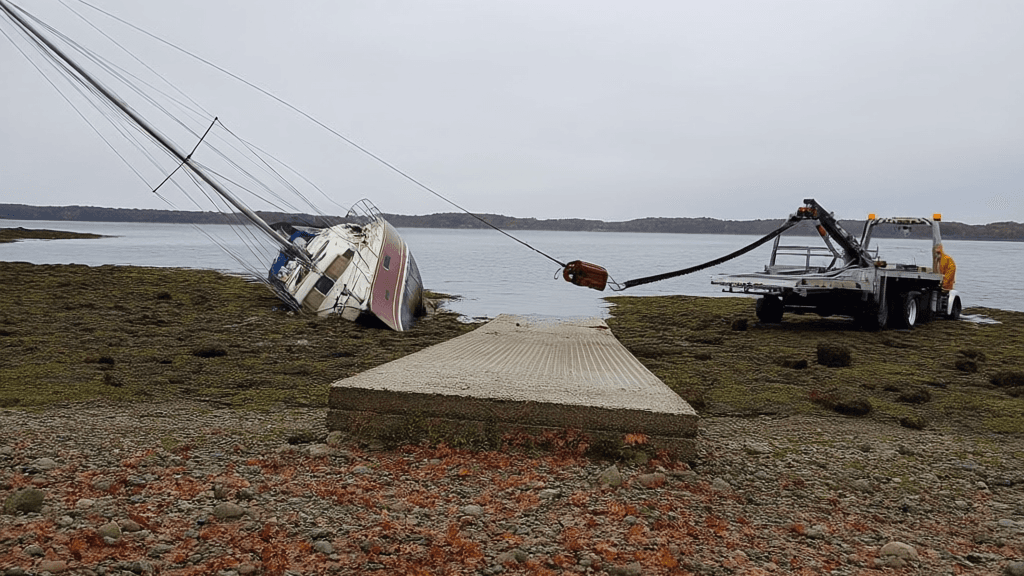
Salvage generally means work intended to save a vessel, recover it from danger, or protect property from further loss. A salvage operator might refloat a boat after it runs aground, tow a disabled vessel to a safe location, pump out water, or stabilize a damaged hull. The work may be urgent because a boat left in a channel or exposed to waves can sustain more damage. The term does not automatically mean the vessel is a total loss; a boat can be salvaged and later repaired. Coverage, however, depends on the policy’s language, the circumstances, and any applicable duties to protect the vessel. Ask how the insurer distinguishes salvage charges from ordinary towing or repairs.
What Wreckage Removal Usually Means
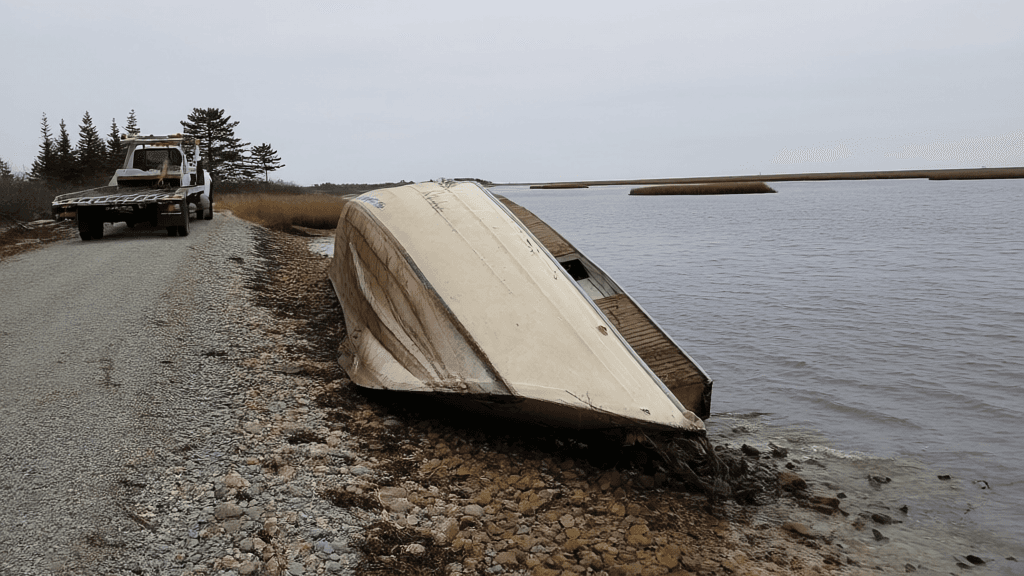
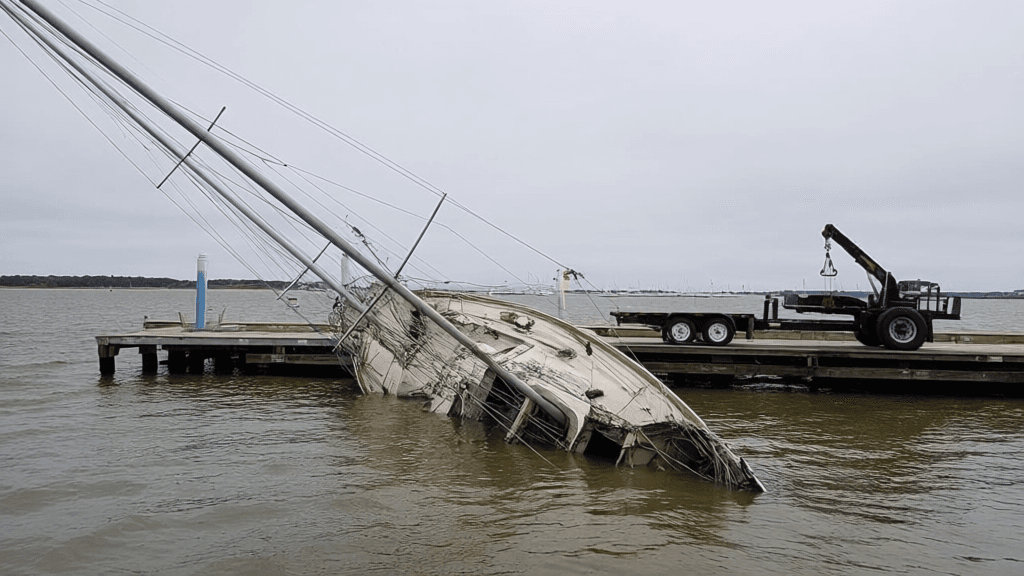
Wreckage removal generally concerns taking a sunken, stranded, or otherwise unusable vessel and its debris out of the water or away from a hazardous location. For example, if a boat sinks near a marina entrance after a storm, officials or a property manager may require it to be removed so it does not obstruct navigation or create a hazard. The work can involve lifting equipment, divers, environmental precautions, transport, and disposal. These expenses are different from repairing a damaged boat or towing a functioning vessel. A policy may address removal costs separately from physical damage coverage, and its limit may not match the boat’s insured value. Check whether removal is covered, how the limit is calculated, and what conditions apply.
One Accident Can Involve Both Services
The categories can overlap in a real claim. Imagine a boat grounded in shallow water near Huntington during changing weather. A contractor may first stabilize and refloat it, which could be treated as salvage, then tow it for inspection. If the hull is too damaged to use and the vessel later sinks or must be taken away, wreck removal may become a separate issue. The same incident can therefore generate several invoices with different purposes. Keep itemized bills and ask the contractor to describe the work performed, the time spent, and whether each charge was for recovery, towing, protection, or removal. Clear documentation helps the insurer assess the costs under the relevant policy provisions.
Review Limits, Deductibles, and Conditions
Do not assume that a policy’s hull coverage automatically pays every expense connected with a wreck. Look for the specific wording addressing salvage, wreck removal, emergency services, towing, and protection of the vessel. Find out whether the applicable amount is a separate limit, a percentage of the insured value, or part of a broader coverage limit. Ask whether a deductible applies and whether the policy requires prompt notice or approval before non-emergency work begins. In a genuine emergency, safety and preventing further damage come first; document the situation, contact the insurer as soon as practical, and keep records of calls and decisions. Policy terms vary, so the declarations and full contract—not a general description—control.
Long Island Conditions to Consider
Long Island’s boating environment includes busy marinas, shallow bays, changing tides, exposed coastal waters, and seasonal storms. A grounding near a narrow channel may call for quick recovery to reduce the risk of obstruction, while storm damage could leave a vessel flooded or drifting and require stabilization before removal is possible. Boaters based in Plainview, Hicksville, Bethpage, Syosset, Woodbury, Jericho, Levittown, Farmingdale, Melville, Massapequa, Wantagh, or Huntington may launch in different waters, but the same basic questions apply: who can authorize urgent work, which local contractors are available, and what costs could fall under separate policy provisions? Follow instructions from relevant authorities and avoid attempting hazardous recovery without qualified help.
Questions to Ask Before You Need a Claim
Policy Review Checklist
- Does the policy define salvage, wreck removal, emergency towing, and recovery separately, and what types of work fall under each term?
- What is the maximum amount available for salvage and wreck removal, and is either limit separate from the insured value or physical damage coverage?
- Does a deductible apply, and are there notification, contractor selection, or prior-authorization requirements?
- What should be done if an immediate response is needed to protect people, prevent pollution, or keep a vessel from causing further damage?
- Which records should be kept, such as photographs, contractor estimates, itemized invoices, incident reports, and communications with the insurer?

What to Do After an Accident
Start by protecting people and contacting emergency responders or maritime authorities when the situation requires it. Do not put anyone at risk to recover personal property or attempt a dangerous refloating. Once immediate safety concerns are addressed, notify the insurer promptly and explain where the boat is, what happened, and whether it presents a navigation or environmental hazard. Before authorizing non-urgent services, ask how the insurer wants estimates and contractor details handled. For work that cannot wait, record why immediate action was necessary and request itemized documentation from the provider. Photographs, witness information, incident reports, and a timeline can help establish what work was required and distinguish salvage from removal.
Compare Coverage Before the Season
Before launching around Long Island, read the policy provisions for salvage, wreck removal, towing, and emergency assistance alongside the declarations page. Confirm the limits in dollars, whether they are subject to a deductible, and what notice or authorization steps are expected. If a term is unclear, ask for an explanation tied to the policy wording and consider how the limits would apply to the size and use of the vessel. A small runabout and a larger cruising boat can face very different recovery logistics and costs. Comparing policies on these details—not just the premium—can make it easier to choose coverage that fits your boating plans and understand what to do if an accident occurs.
Make Your Coverage Easier to Understand
Review your policy’s salvage and wreck-removal provisions before your next Long Island boating trip.
Get a Free Quote