Why Wreckage Removal Matters After a Long Island Boating Accident
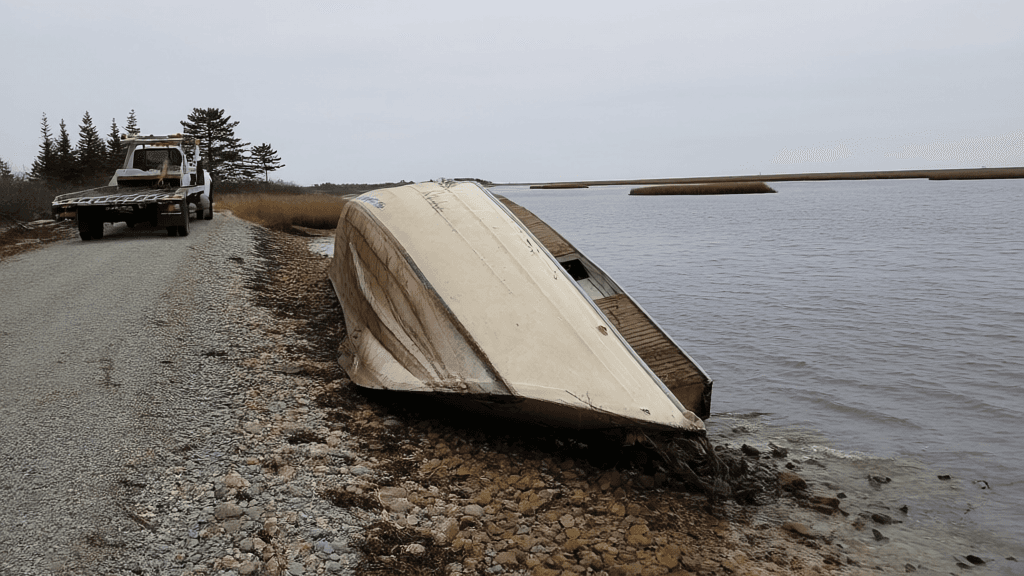
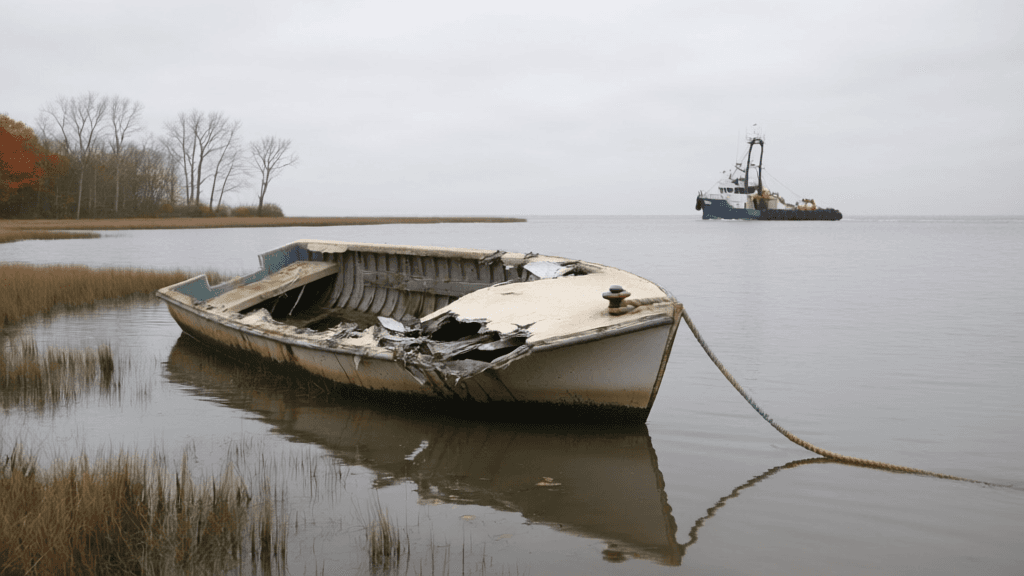
A collision, grounding, fire, or sudden leak can leave a boat disabled, partially submerged, or drifting into a channel. On Long Island, that wreckage may quickly become more than a repair problem: it can obstruct navigation, threaten nearby boats, or release fuel and other pollutants. Owners may need to arrange and pay for removal even when the boat is badly damaged or has little salvage value. The precise responsibility depends on the location, circumstances, instructions from authorities, and applicable policy terms. Knowing what wreck removal coverage means before an accident helps boaters ask better questions, document decisions, and avoid assuming that ordinary physical-damage coverage will pay every recovery expense.
Who Can Require a Vessel to Be Removed?
The agency or property owner with authority over a particular waterway can depend on where an incident occurs. The U.S. Coast Guard may respond to navigational hazards in waters under federal jurisdiction, while New York State, local authorities, harbor operators, or marina management may have roles in other situations. A vessel that sinks near a channel, marina entrance, mooring field, or busy recreational area may draw prompt attention because it could endanger traffic or people. Owners should follow lawful instructions and ask which office is directing the work, what deadline applies, and whether a qualified contractor must perform it. Do not assume that a warning, notice, or removal order automatically means an insurer has accepted the bill.
What Wreck Removal Can Cost and Why Estimates Vary
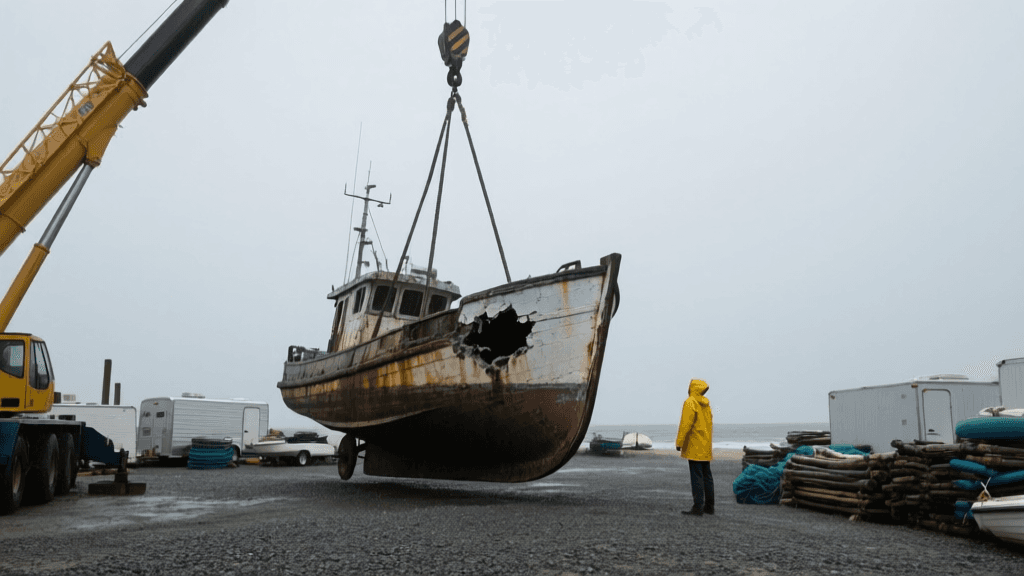
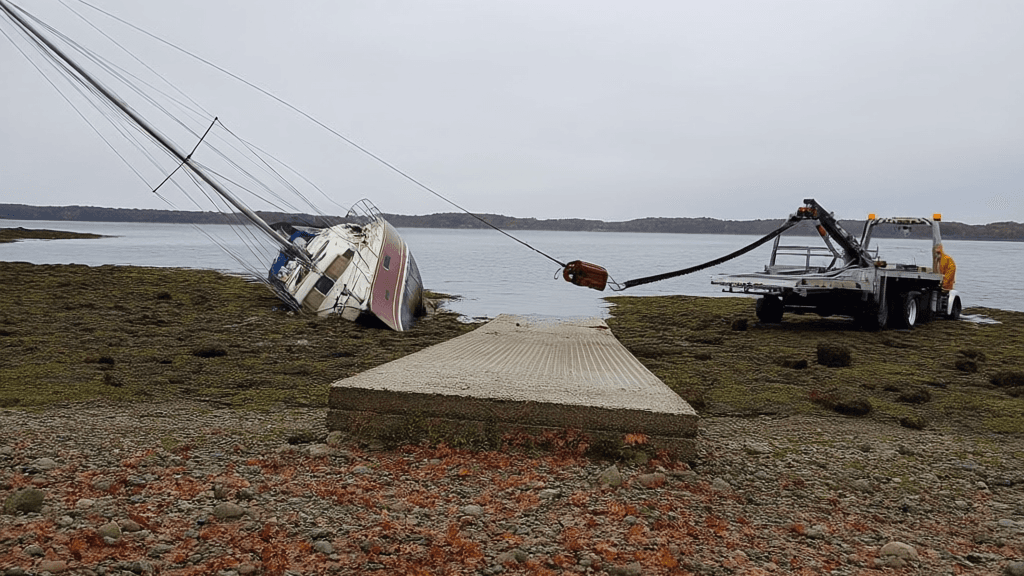
Removal costs depend on the boat’s size and condition, water depth, weather, access, location, and the equipment needed to lift or tow it safely. A vessel resting in shallow, accessible water may be simpler to recover than one that has sunk in a channel or become lodged near pilings. Contractors may need divers, cranes, barges, temporary containment, or pollution-control equipment. There can also be costs to transport, store, or dispose of the wreck. On Long Island, distance from a suitable launch point and local marine traffic can affect scheduling and logistics. Ask for an itemized estimate when practical, but prioritize immediate safety and official directions over delays that could worsen a hazard.
How Insurance May Respond to Wreckage Removal
Boat policies do not all handle wreck removal the same way. Some include a separate wreck-removal benefit, while others address it through particular liability provisions, subject to definitions, limits, and conditions. Physical-damage coverage for the boat itself is not automatically the same as coverage for locating, lifting, and disposing of a wreck. A policy may also distinguish removal costs from salvage services, pollution cleanup, towing, or damage to someone else’s property. Check whether a removal limit is stated as a dollar amount, a percentage of the insured boat’s value, or part of another limit. Also look for deductibles, notice requirements, and wording about expenses the policyholder incurs without prior approval.
What to Do Immediately After an Accident
First, protect people: call emergency services when needed, use required safety equipment, and do not enter dangerous water to retrieve property. Report the incident to the appropriate authorities and promptly notify the insurer using the contact instructions on the policy. Take photographs or video from a safe location, record the boat’s position and visible damage, and keep names and contact details for witnesses and responders. Save notices, estimates, invoices, and communications about the removal. Before authorizing non-emergency work, ask the insurer whether it wants to inspect the vessel or approve a contractor. If urgent action is needed to prevent injury, obstruction, or pollution, document why it could not wait and retain a detailed record of what was done.
Policy Details to Check Before the Boating Season
Review the declarations page and the full policy wording rather than relying only on a coverage summary. Identify the wreck-removal limit, whether it is separate from liability limits, and whether it applies when removal is ordered by an authority or undertaken to prevent a hazard. Check whether pollution cleanup has its own limit and whether fuel or other contaminants are treated differently from the vessel itself. Find out what notice must be given, whether the insurer can select or approve a contractor, and how the policy treats emergency expenses. Ask about coverage territory as well: a Long Island boat may travel between bays, harbors, and adjacent waters, and navigation limits can matter. Keep a current copy of the policy and claim contact details aboard.
Local Considerations Around Long Island
Long Island boaters use a varied mix of bays, harbors, inlets, marinas, and open-water routes. A disabled vessel near a narrow passage or busy marina entrance can create a different urgency from one secured in a protected area, and wind, tide, and changing weather may complicate recovery. The right response also depends on the exact location and which authority or facility controls it; do not assume the same procedure applies everywhere in Nassau and Suffolk Counties. Residents of Plainview, Hicksville, Bethpage, Syosset, Woodbury, Jericho, Levittown, Farmingdale, Melville, Huntington, Massapequa, and Wantagh may keep boats in different parts of the Island, so their policy’s navigation territory and emergency contacts should match how and where they actually boat.
Key Questions to Ask About Your Coverage
Practical Policy Review Questions
- What is the maximum amount available specifically for wreck removal, and is that limit separate from the boat’s insured value and liability limit?
- Does the policy cover removal when a government authority, marina, or other authorized party requires it, and are there conditions about how quickly work must begin?
- Are pollution containment and cleanup covered separately, and what limits, exclusions, or reporting duties apply if fuel leaks?
- Should the insurer approve a salvage contractor before work begins, and what emergency steps can be taken when waiting could increase danger or damage?
- What records are needed to support a claim, including photographs, written orders, contractor estimates, invoices, and incident reports?

Plan Before an Accident, Then Compare Coverage Carefully
Before the next trip, note the insurer’s claims number, keep safety and registration documents accessible, and make sure anyone operating the boat knows how to report an emergency. Ask an insurance professional to explain any unclear wreck-removal, salvage, or pollution language using your actual policy and typical boating locations. Compare more than the premium: limits, deductibles, exclusions, emergency procedures, and navigation territory can change how useful a policy is after a serious incident. No policy can guarantee that every expense will be covered, and coverage depends on its wording and the facts of a claim. A careful review now can make decisions easier when time, weather, and safe access matter.
Review Your Boat Policy Before You Launch
Compare wreck-removal limits, pollution provisions, and claim requirements with a qualified insurance professional before your next Long Island boating trip.
Get a Free Quote