Why Wreckage Removal Coverage Deserves a Closer Look
A boat that sinks, runs aground, or breaks apart can create costs beyond repairing or replacing the vessel. The owner may need to arrange salvage, lift the boat from the water, transport it, and dispose of damaged materials. In some situations, authorities may require removal because wreckage creates a navigation or safety hazard. For Long Island boaters, those questions can arise in busy bays, inlets, marinas, and exposed coastal waters, where access and conditions affect the work. A policy that covers physical damage does not automatically answer who pays to remove the wreck. This guide explains the cost drivers and the policy details worth checking before launch day.
What Makes Removal More or Less Expensive?
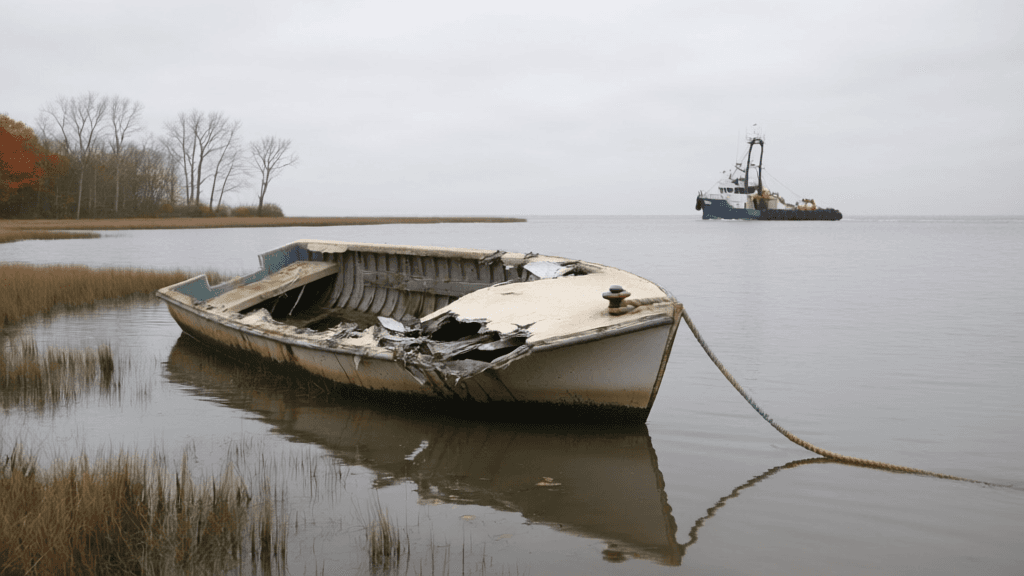
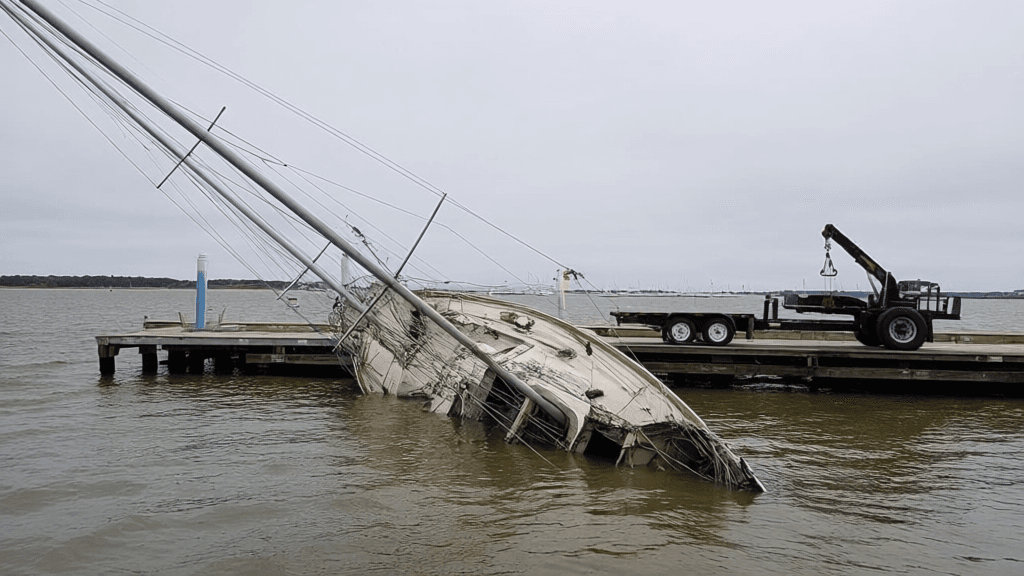
Wreck removal is not one standardized service with one predictable price. A small boat in shallow, protected water may be relatively straightforward to recover, while a larger vessel resting in deeper water can require divers, lift bags, cranes, barges, or specialized salvage equipment. The position of the wreck matters too: a boat near a channel, ferry route, bridge, or marina entrance may need urgent work to reduce obstruction risks. Weather, tides, visibility, water depth, and the distance to suitable staging facilities can add time and complexity. If fuel or oil has leaked, containment and cleanup may be needed alongside the recovery. Ask how the policy treats each part of the operation rather than assuming one limit covers everything.
Vessel Size, Construction, and Condition
The boat’s length and weight are important starting points because they influence the equipment and crew needed to lift it safely. A cabin cruiser with onboard fuel, engines, and heavy fittings can present different recovery challenges from a lightweight personal watercraft. Construction and damage also matter: a vessel that remains intact may be easier to secure than one that has broken apart or become trapped beneath a dock or another object. Owners should keep accurate records of the boat’s year, model, dimensions, equipment, and agreed value so the insurer can assess the risk using current information. When comparing policies, ask whether wreck removal has a separate dollar limit, whether that limit is per occurrence, and how it applies if salvage costs exceed the boat’s insured value.
Location, Water Access, and Timing
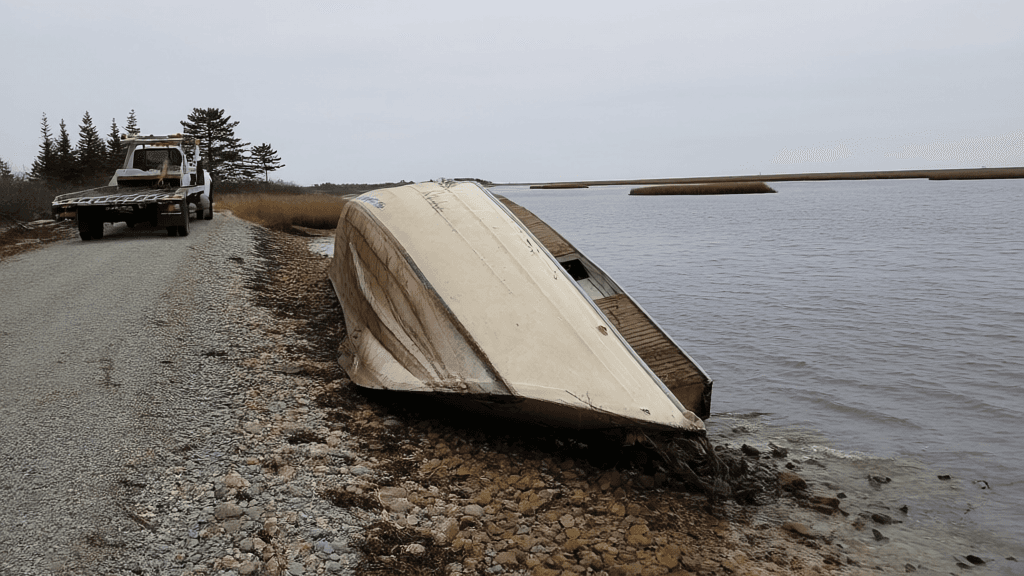
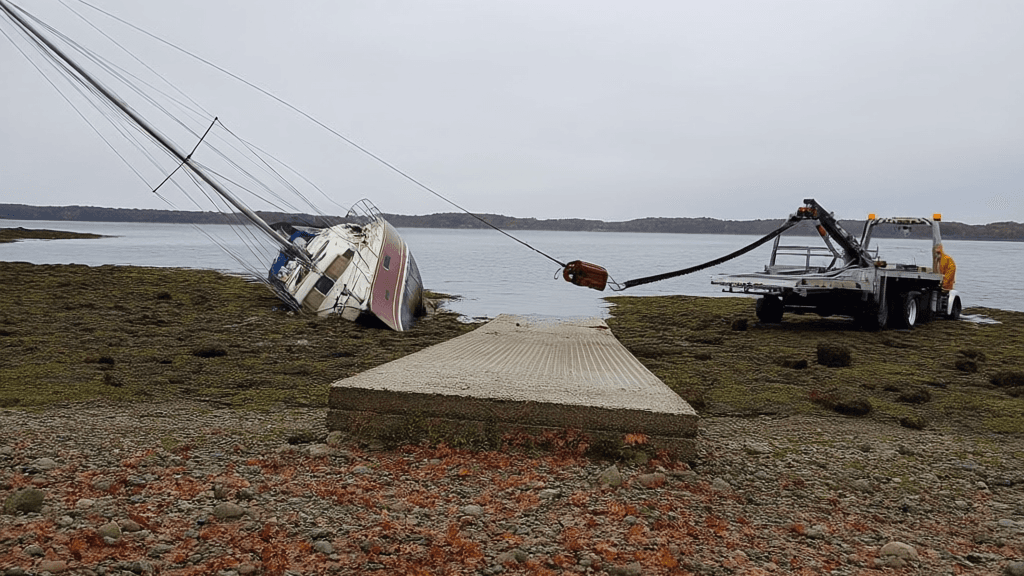
Where a boat becomes disabled can change the job substantially. In a marina or sheltered cove, crews may have nearby dock access and room to position equipment. In an exposed area, narrow channel, or location with strong currents, the same recovery can require extra planning and a suitable weather window. Long Island’s varied shoreline means owners may face different conditions between protected bays and open-water routes. Limited road access to a launch point, restricted work space, or distance from a salvage operator can also influence mobilization time and charges. Review whether the policy requires prompt notice, insurer approval, or use of an approved contractor. In an emergency, take reasonable steps to protect people and prevent further damage, then document whom you contacted and what instructions you received.
Pollution Response and Environmental Requirements
A wreck may release fuel, oil, batteries, or other hazardous materials, creating a response that is separate from lifting and transporting the boat. Crews might need to place containment booms, recover fluids, monitor a spill, or remove contaminated debris. These measures can be time-sensitive, especially near wetlands, shellfish areas, beaches, or busy recreational waters. Do not assume a wreck-removal benefit automatically includes every pollution-control expense, or that liability coverage and physical-damage coverage respond in the same way. Ask the insurer to explain how the policy addresses fuel-spill response, cleanup, disposal, and expenses required by a government authority. Policy wording and applicable requirements vary with the facts, so owners should get clarification on their own contract rather than relying on a general estimate.
Policy Terms to Verify Before You Need Them
Start by locating the policy’s wreck removal, salvage, pollution, and liability provisions, then compare the wording with the declarations page. Check the maximum amount available, whether removal costs reduce the amount available to repair or replace the boat, and whether there is a separate limit for pollution cleanup. Find out whether coverage applies when removal is legally required, when the wreck obstructs navigation, or when an owner chooses removal for safety reasons. Ask about deductibles, covered waters, notification deadlines, preauthorization, and any restrictions on contractors or towing services. It is also worth asking how the insurer defines reasonable expenses and what documentation is needed. A clear answer in writing can help prevent surprises when decisions must be made quickly.
How Long Island Conditions Shape the Questions
Long Island boat owners may use very different waters over a season, from sheltered bays to inlets and exposed coastal routes. A boat kept near Huntington or Massapequa may have different access and response considerations from one operating farther east or offshore. Local traffic, marina layout, tidal conditions, and the availability of suitable recovery equipment can all affect a response plan. Owners in Plainview, Hicksville, Bethpage, Syosset, Woodbury, Jericho, Levittown, Farmingdale, Melville, Wantagh, and nearby communities should focus on the waters where the boat is actually stored and operated, not simply the home address on an insurance form. Confirm that the policy describes the intended operating area accurately and ask whether limits change outside specified waters.
Questions to Ask About Wreckage Removal
- What is the specific wreck-removal limit, and is it separate from the boat’s physical-damage limit?
- Does coverage include salvage, lifting, transport, disposal, and expenses required by an authority?
- How are fuel-spill containment, pollution response, and cleanup handled, and what limits or exclusions apply?
- Must the insurer approve a contractor or estimate before work begins, except when immediate action is needed for safety?
- What notice, photographs, invoices, and other records are required to support a claim?
- Do covered waters, navigation restrictions, or policy conditions change how wreck removal is covered?

Practical Next Steps for Boat Owners
Before the next trip, gather the declarations page and full policy wording, then mark the sections on salvage, wreck removal, pollution, liability, and claim duties. Write down the boat’s current dimensions, storage location, usual operating waters, and any recent changes in equipment or value. Contact the insurer or a qualified insurance professional with specific questions about limits and approval procedures; ask for explanations that refer to the policy language. Keep the relevant contact details accessible on board and save photos of the vessel and identifying information in a secure place. If an incident occurs, prioritize people’s safety, follow instructions from appropriate authorities, notify the insurer promptly, and keep records of calls, directions, and expenses. Preparation cannot prevent every loss, but it can make the coverage easier to understand when time matters.
Review Your Boat Policy Before the Season
Compare wreck-removal, salvage, and pollution provisions so you know which limits and claim steps apply to your boat.
Get a Free Quote