Start With Safety After a Long Island Boating Accident
A collision, grounding, fire, or sudden mechanical failure can turn an ordinary day on Long Island waters into an emergency. The first priority is people, not the boat or an insurance claim. Check passengers for injuries, put on life jackets, and move away from immediate hazards such as fire, leaking fuel, or unstable equipment when it is safe to do so. Call 911 or the Coast Guard for urgent danger, and use marine radio channel 16 for a distress call when appropriate. This guide explains the practical sequence: protect people, report when required, document what happened, and arrange help without overlooking possible removal costs.
Why Quick, Careful Decisions Matter on Local Waters
Long Island boaters encounter busy channels, changing weather, shallow areas, and crowded recreational waters. An incident near a harbor entrance or in a narrow channel can create a second hazard if a disabled boat drifts into traffic. Conditions also vary between sheltered bays and exposed waters, so a response that is safe in one location may not be safe in another. Do not put passengers into the water or attempt a tow beyond your training and equipment. If the vessel is stable, anchor only when it is safe and will not obstruct navigation. Keep a record of changing wind, visibility, and water conditions; those details may help explain the incident later.
Protect People and Prevent Further Damage
Once immediate danger is addressed, account for everyone aboard and provide first aid within your training. If someone is seriously injured, missing, or in the water, contact emergency responders rather than delaying to exchange information. Shut off engines and electrical systems if there is a fire or suspected fuel leak and doing so is safe. Avoid restarting a damaged engine or moving the vessel unnecessarily; doing so can worsen damage or make the scene harder to assess. If another boat is involved, exchange operator and vessel details calmly. Do not argue about fault at the scene. Focus on safety, accurate facts, and following instructions from responders.
Know When an Accident Must Be Reported
New York State boating rules require reporting for certain accidents, including incidents involving a death, a person who disappears, an injury requiring medical treatment beyond first aid, or qualifying property damage. Requirements and deadlines can depend on what happened, so contact law enforcement or the appropriate New York State boating authority promptly if you are unsure. Do not assume that an incident is too minor to report just because the boat can still move. Give responders factual information about the location, people involved, and known damage. Keep a copy of any incident or case number. Reporting is separate from notifying your insurer, and completing one step does not necessarily satisfy the other.
Document the Scene and Notify the Insurer
When everyone is safe and authorities permit it, photograph the boats, visible damage, debris, navigation markers, and the surrounding conditions from several angles. Record the date, approximate time, location, weather, water conditions, and a factual timeline while details are fresh. Obtain names and contact information for operators, passengers, and witnesses, and note any official responders or report numbers. Avoid guessing about speed, distance, or responsibility; distinguish what you observed from what someone else told you. Contact the insurer as soon as practical and ask what documentation is needed, whether an inspection is required, and how to handle emergency repairs. Save estimates, towing invoices, and receipts.
Arrange Towing, Salvage, or Wreck Removal Carefully
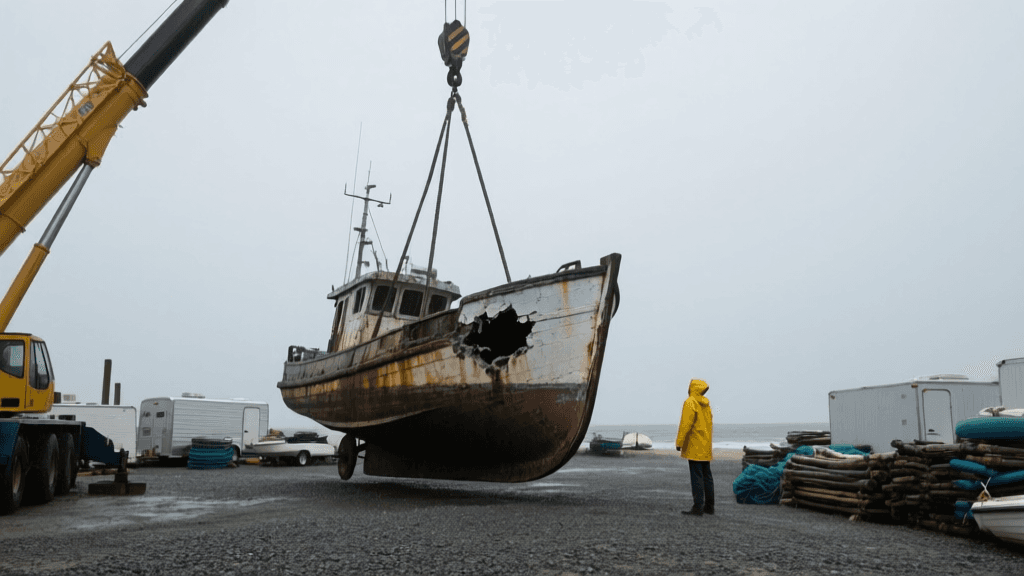
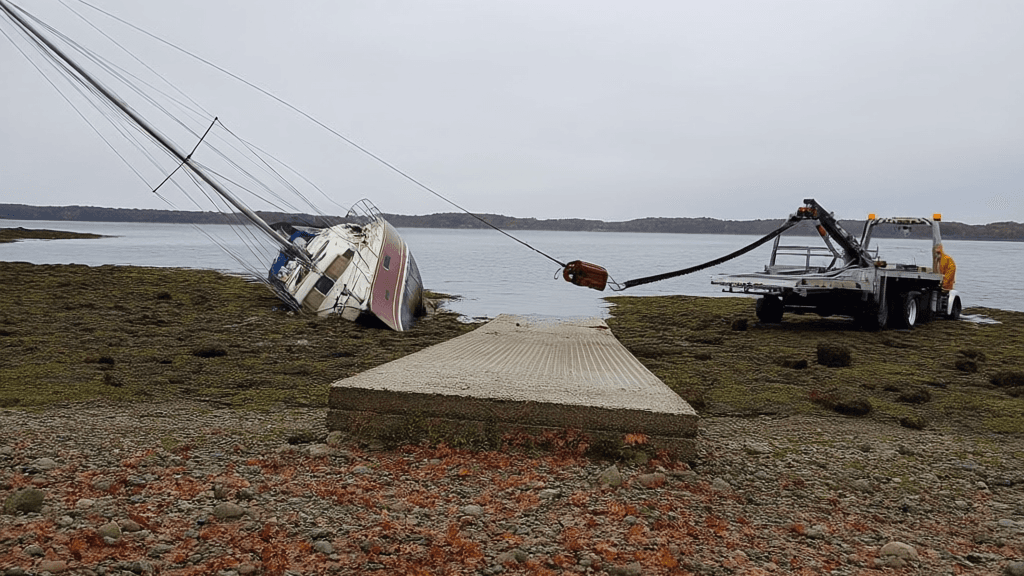
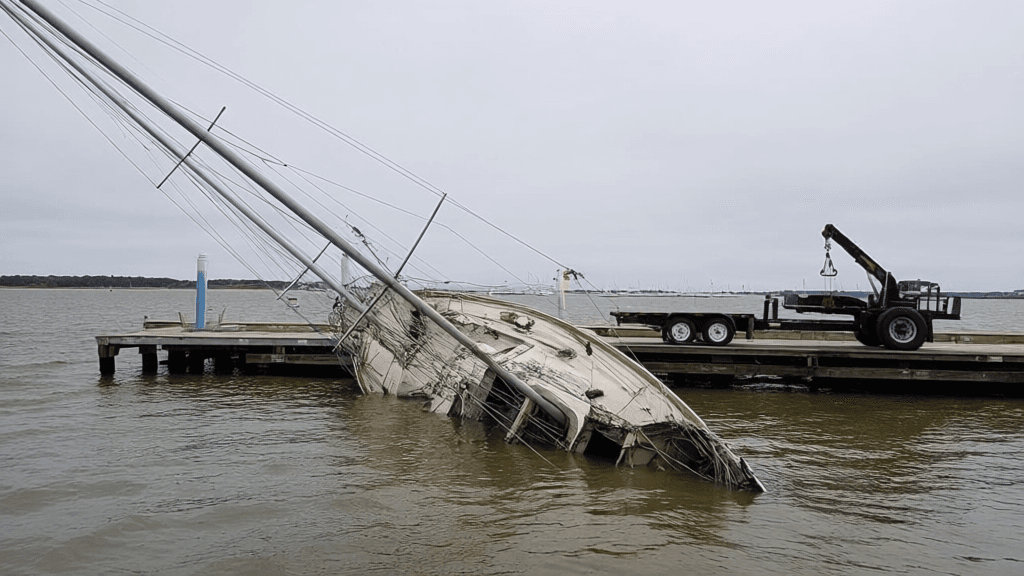
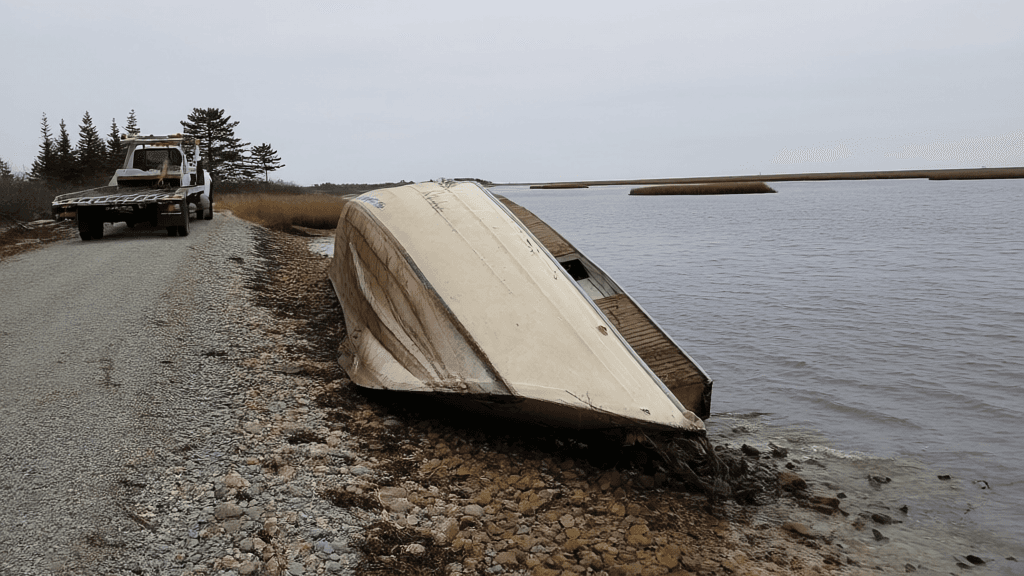
A disabled boat may need a tow, while a sinking or grounded vessel can require salvage or removal. These services are not interchangeable: a routine tow moves a vessel, whereas salvage may involve specialized work to recover it or prevent a hazard. If there is immediate danger to people, navigation, or the environment, follow emergency responders’ directions and do not delay necessary action to seek approval. For non-urgent work, contact the insurer before authorizing a service when possible. Ask the provider to describe the work, expected charges, and whether additional labor or equipment may be required. Keep the written authorization, itemized invoice, and any photographs of the vessel before and after service.
How Insurance Claims and Removal Expenses Are Reviewed
A claim review commonly considers the policy’s covered causes of loss, exclusions, deductibles, limits, and the evidence available. A policy may treat damage to the boat, emergency assistance, salvage, wreck removal, and pollution cleanup as different types of expenses, each with its own wording or limit. Coverage should not be assumed simply because a cost followed an accident. The insurer may request an incident report, photographs, repair estimates, proof of ownership, witness details, and an itemized service bill. Ask how to preserve damaged parts and whether an adjuster needs to inspect the boat before repairs begin. If immediate mitigation is necessary, document why the work could not wait.
Local Considerations Around Long Island
Long Island’s boating environment includes sheltered bays, harbor approaches, and exposed coastal waters, so location can shape the response. A grounded boat in shallow water may need a different recovery plan than a disabled vessel in a busy channel. Around Huntington and the North Shore, check local conditions and safe access before arranging assistance; on the South Shore near Wantagh or Massapequa, shallow areas and changing tides can affect where a vessel can be reached. Even residents of inland communities such as Plainview, Hicksville, Bethpage, and Levittown may keep boats elsewhere or travel to launch points. Keep emergency contacts and policy information accessible aboard, not only at home.
Key Actions to Keep the Response Organized
Practical Post-Incident Priorities
- Account for every passenger, use life jackets, and call emergency services when there is immediate danger or serious injury.
- Follow applicable New York reporting rules and record the name of the responding agency and any incident number.
- Photograph the scene only when safe, and collect factual contact information from operators and witnesses.
- Notify the insurer promptly, ask about inspection and repair procedures, and retain estimates, invoices, and receipts.
- Review policy wording for towing, salvage, wreck removal, and pollution-related expenses instead of assuming these costs share one limit.

Prepare Before Your Next Trip
Before launching, make sure required safety equipment is aboard, passengers know where life jackets are, and someone on shore knows your general plans. Save emergency contacts and insurance information where they can be reached if a phone is damaged or wet. Review your policy before the season and ask specific questions about emergency towing, salvage, wreck removal, deductibles, and claim reporting deadlines. Boaters traveling from Woodbury, Syosset, Jericho, Farmingdale, or Melville should also plan for the waters where the boat will actually operate, since home location does not determine the hazards at the launch site. A few minutes of preparation can make a stressful incident easier to manage.
Compare Coverage and Know Your Options
After an accident, follow official directions, communicate promptly with the insurer, and keep a single file for reports, photos, correspondence, and expenses. For future trips, compare boat policies by looking beyond the premium: examine liability protection, physical damage terms, emergency assistance, salvage and removal language, and any relevant limits or exclusions. Ask for explanations in writing when a term is unclear, and confirm how the policy handles an urgent tow versus a recovery operation. Coverage varies by insurer and policy, so the declarations page alone may not answer every question. Understanding those details before setting out can help Long Island boaters make informed choices and respond with more confidence if trouble occurs.
Review Your Boat Coverage Before the Next Launch
Compare policy terms for emergency assistance, claims, and removal costs so you know what questions to ask before an incident.
Get a Free Quote