Why Water Sports Belong in the Insurance Conversation
A boat used for casual cruising presents different risks from one regularly towing a wakeboarder, skier, or tube rider. If you own a boat on Long Island, tell your insurer how it is actually used rather than assuming recreational water sports are automatically included. A claim after a tow-rope injury, collision, or damaged equipment may depend on policy definitions, exclusions, operator requirements, and the facts of the outing. Before summer plans bring friends and family aboard, ask how the policy treats each activity, who is insured, and whether any special conditions apply. This guide offers questions to raise; the written policy and endorsements determine the coverage.
Why Policy Wording Matters More Than the Activity Label
Insurance contracts may define terms such as watercraft, passenger, insured person, water sports, or liability in ways that differ from everyday speech. One policy may address towing activities expressly, while another may contain an exclusion or require an endorsement. The same label can also involve different exposures: a tube rider may be a passenger for part of an outing, then become an injured participant in the water. Coverage can depend on whether the boat was moving, who operated it, and whether local safety rules were followed. Do not rely on a verbal assumption or a friend’s experience with another insurer. Ask for the relevant provision in writing and keep the response with your policy documents.
Tubing, Wakeboarding, and Waterskiing
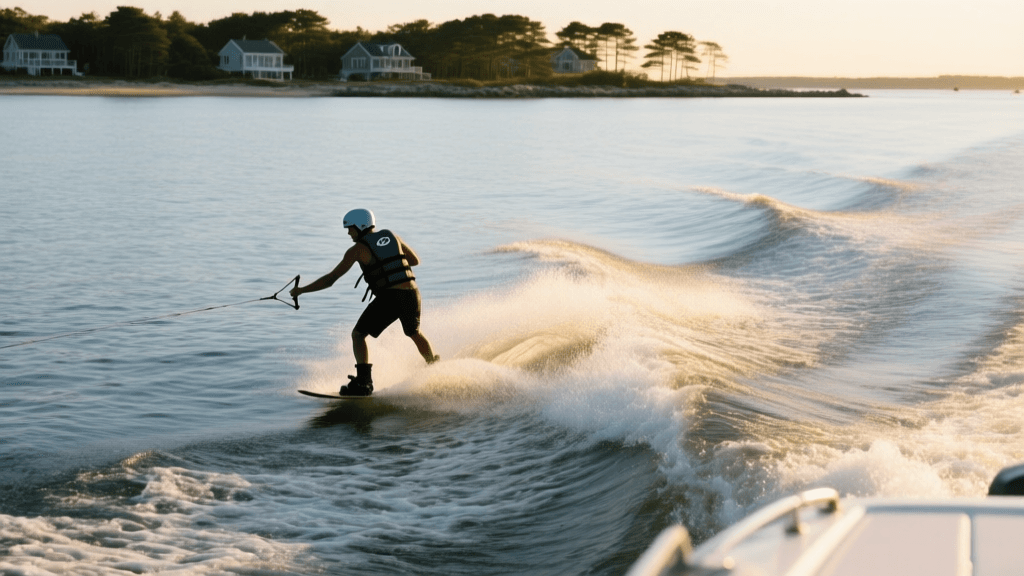
For tubing, wakeboarding, and waterskiing, ask specifically whether bodily injury to a person being towed is covered under boat liability, and whether the answer changes if the rider is a household member, guest, or paid participant. Clarify requirements for an observer, safe operating practices, and any age or operator restrictions. Also ask whether damage to your own boat, tow equipment, or a rider’s personal gear is handled differently from injury to another person. A policy might cover some liability while excluding a particular activity or limiting protection for participants. For example, a friend falling during a tow and needing medical care is not necessarily treated like a collision with another vessel. Get clear answers before inviting guests to take a turn.
Personal Watercraft and Using More Than One Vessel
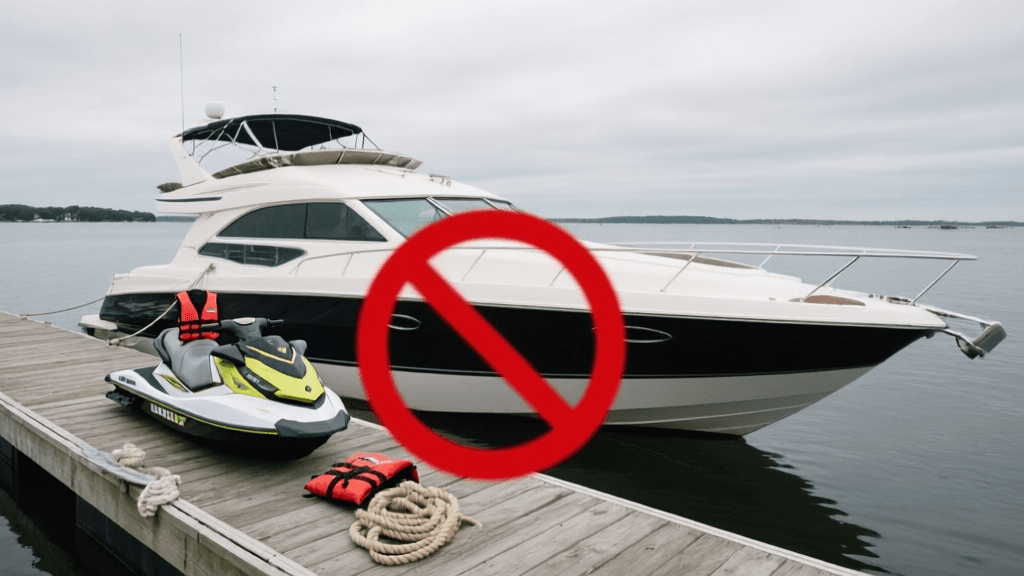
Personal watercraft use deserves its own conversation. A boat policy may not automatically insure a jet ski or another personal watercraft, even if you own both or use them during the same family outing. Confirm whether each craft needs a separate policy, whether liability extends between vessels, and whether a friend may operate either one. Discuss where the craft is stored, who uses it, and whether it is used for towing or other activities. If you borrow or rent a personal watercraft, ask what protection comes from the owner’s policy and what responsibility may remain with the operator. Never assume that coverage follows a person from a boat to a different craft without checking the actual contract.
Questions to Ask Before the Next Outing
A useful coverage review is specific, not simply a request to confirm that the boat is insured. Describe each activity, the vessels involved, who operates them, and whether guests will be towed or ride as passengers. Ask about liability limits, medical payments, physical damage, exclusions, geographic or seasonal restrictions, and any required safety equipment or endorsements. Find out whether a claim could be affected by an unlisted vessel, an unapproved operator, or a change in how the boat is used. If the answer is unclear, request the policy language or written clarification. Save copies of endorsements and report changes such as adding a personal watercraft, lending the boat regularly, or beginning a new tow sport.
Local Considerations for Long Island Boat Owners
Long Island boaters may use different waterways and launch points over a season, from sheltered bays to busier coastal routes. Conditions, traffic, and local rules can vary, so a sport that seems straightforward on a quiet morning may require extra planning when boat traffic or weather changes. Owners based in Huntington, Wantagh, Massapequa, Plainview, or nearby communities should discuss where the boat is kept and typically operated, along with any trips beyond their usual area. Confirm that the policy’s navigation limits fit those plans, and review current New York boating and personal watercraft requirements through official sources. Insurance does not replace safe operation, a lookout, appropriate equipment, or compliance with applicable rules.
A Practical Coverage Checklist
Before Towing or Taking Out a Personal Watercraft
- Name every activity clearly, including tubing, wakeboarding, waterskiing, and personal watercraft operation, and confirm how each is treated in the policy.
- Ask whether an injured participant, passenger, household member, or guest is covered and whether any participant or water-sports exclusion applies.
- Verify that every vessel and operator is properly listed or otherwise eligible, and ask whether separate personal watercraft insurance is needed.
- Check liability limits, medical payments, physical-damage coverage, navigation boundaries, safety conditions, and any required endorsement.
- Request unclear answers in writing and keep the policy, endorsements, and safety information accessible before launching.

Next Steps: Confirm the Policy Before You Go
Start with your declarations page and policy documents, then make a short list of every boat, personal watercraft, operator, and sport planned for the season. Contact the insurer or a qualified insurance professional and ask for activity-specific answers, including the exact exclusions or endorsements that apply. If your use has changed since the policy began, explain the change before the next outing and ask whether an adjustment is needed. Compare options by looking beyond price: liability limits, participant treatment, vessel coverage, and operating conditions all matter. A clear review before launch can reveal gaps while there is still time to address them. Keep in mind that only the policy and applicable endorsements establish coverage.
Review Your Water Sports Coverage
Describe your planned activities and vessels, then confirm applicable coverage and exclusions in writing before heading out.
Get a Free Quote