What Water Sports Coverage Means for Long Island Boaters
Wakeboarding, tubing, and waterskiing turn a routine boating trip into an activity with additional people, equipment, and moving parts. If a participant is injured or the boat damages another vessel while towing, the policy language—not the activity’s name—determines what may be covered. On Long Island, where boaters share busy waterways and launch areas throughout the season, it is worth checking coverage before the first outing. This guide explains how liability coverage may respond, what to ask about towing participants, and why exclusions and safety duties matter. Treat it as a starting point for reviewing the actual policy and confirming details with the insurer.
Why Towing Changes the Risk
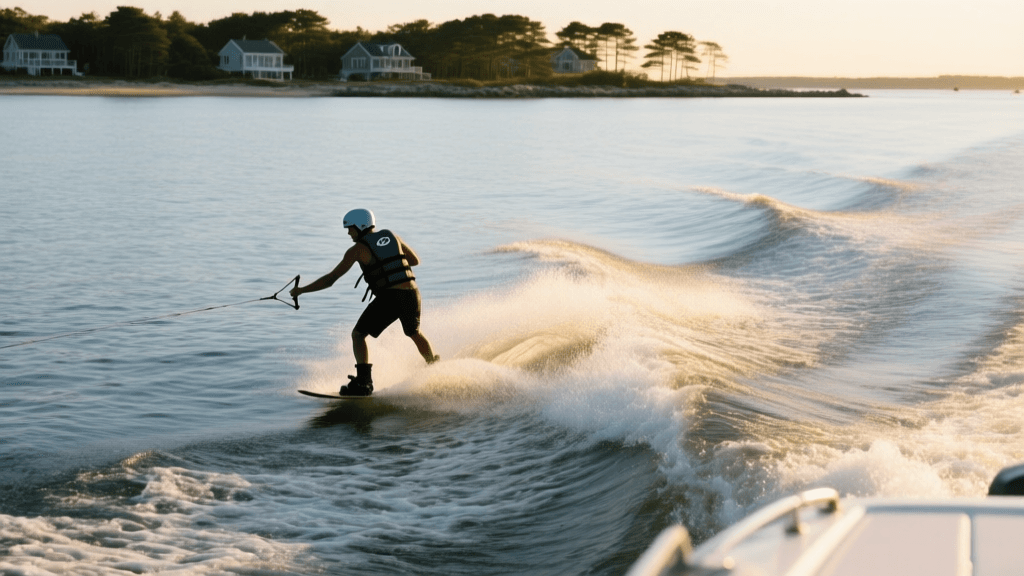
A boat towing a rider needs more room to turn, slow down, and avoid other traffic than a boat traveling alone. The tow line can cross a path unexpectedly, a participant can fall near another vessel, and a driver may not see a rider immediately after a fall. These situations can lead to injuries, property damage, or disputes about who was responsible. Long Island boaters may encounter changing conditions as they move between open water, harbors, and narrower channels, so a route that seems clear can become crowded. Insurance cannot replace careful operation, but understanding how the policy treats towing helps identify gaps before an accident occurs.
How Liability Coverage May Apply
Boat liability coverage may help pay covered injury or property-damage claims when the insured operator is legally responsible, subject to the policy’s definitions, limits, and exclusions. For example, if a boat’s movement while towing contributes to a collision with another vessel, liability coverage could be relevant. If a tuber is injured, the policy may treat that person differently depending on whether they are an invited passenger, a participant, or otherwise insured under the contract. Do not assume that every participant is automatically covered or that every water sport is included. Ask the insurer to explain how the policy handles bodily injury to a person being towed, defense costs, and claims involving other boats.
Check Whether the Activity Is Eligible
Policies can define covered watercraft use and eligible activities in specific ways. Recreational tubing or wakeboarding may be treated differently from organized events, paid instruction, rentals, or commercial use. A policy may also set requirements for the boat, operator, or use of approved towing equipment. Before allowing guests to ride, describe the activities honestly when seeking coverage information, including whether the boat will tow one person or several and whether anyone will pay to participate. Ask for answers tied to the policy wording rather than relying on a general statement that the boat is insured. If an activity is excluded or limited, ask what options are available and whether any change must be made before the outing.
Understand Physical Damage and Equipment Limits
Liability coverage is only one part of the picture. Boat physical damage coverage may apply to covered damage to the insured vessel, while separate terms may address trailers, permanently installed equipment, or portable items. A damaged wakeboard, tube, tow rope, or personal device may not be treated like damage to the boat itself. Deductibles, valuation methods, and limits can also affect what a claim pays. Make an inventory of the equipment you regularly take aboard and ask which items are insured, where they are covered, and whether theft or damage while in use is excluded. This is especially useful when guests bring their own gear or equipment is stored separately from the boat.
Operator Responsibilities Before and During a Tow
Safe towing depends on preparation and clear roles. The operator should know the boat’s handling limits, use appropriate equipment, and keep a lookout for the rider, tow line, and surrounding traffic. A spotter can watch the participant and communicate with the driver, particularly when the operator’s view is limited. Before starting, explain hand signals, agree on a safe speed, and make sure everyone understands how the activity will stop. Follow applicable boating rules and any policy conditions, including requirements for supervision or safety equipment. These practices reduce risk, but they do not guarantee a claim will be covered; insurers may still investigate the circumstances and apply policy terms.
Local Considerations Around Long Island
Long Island boaters use a range of settings, from sheltered bays and harbors to more exposed coastal waters. Traffic, visibility, weather, and available maneuvering room can differ considerably, so a towing plan that works in one location may not suit another. Before launching, check current conditions and local boating requirements, and choose an area with adequate space for the boat, rider, and tow line. Residents traveling from Plainview, Hicksville, Bethpage, Syosset, Woodbury, and nearby communities may launch in different parts of the island, making it important to plan for the specific waterway rather than assume one set of conditions. Keep the insurer informed if the boat’s use or operating area changes materially.
Key Coverage Questions to Ask
Review These Details Before Towing
- Ask whether wakeboarding, tubing, waterskiing, and other recreational towing activities are included or subject to restrictions.
- Confirm how bodily injury claims by a person being towed are handled and whether any participant categories are excluded.
- Review liability limits, deductibles, defense provisions, and any requirements for an approved operator or spotter.
- Check whether boards, tubes, ropes, and other equipment have separate limits or need additional coverage.
- Ask how the policy treats paid instruction, rentals, organized events, or other uses beyond private recreation.

What to Do After an Accident
If an incident happens, first focus on safety and getting appropriate medical assistance. Once immediate needs are addressed, document the location, time, weather, people involved, vessel details, and a clear account of what occurred. Take photographs when it is safe and appropriate, and preserve relevant equipment rather than repairing or discarding it before speaking with the insurer. Report the incident promptly according to the policy’s instructions, even if the damage seems minor or no one initially asks for medical care. Avoid guessing about fault or promising payment. A timely, factual report helps the claims process begin, while the insurer evaluates coverage under the contract and applicable law.
Next Steps: Review Your Policy Before the Season
Before your next Long Island boating trip, gather the declarations page and the policy wording, then identify the sections covering liability, physical damage, eligible use, and exclusions. Write down the activities planned, the number of people who may be towed, and any equipment or paid arrangements involved. Ask the insurer to explain unclear terms in writing and request any needed policy changes before the activity takes place. Compare coverage based on limits, conditions, and exclusions—not just the premium. A careful review helps you make an informed decision about whether your current protection fits the way you actually boat, while safe operation remains essential every time someone enters the water.
Prepare for Your Next Day on the Water
Review your policy’s water sports terms and compare available boat coverage options before towing participants.
Get a Free Quote