Start With a Plan for the Day on the Water
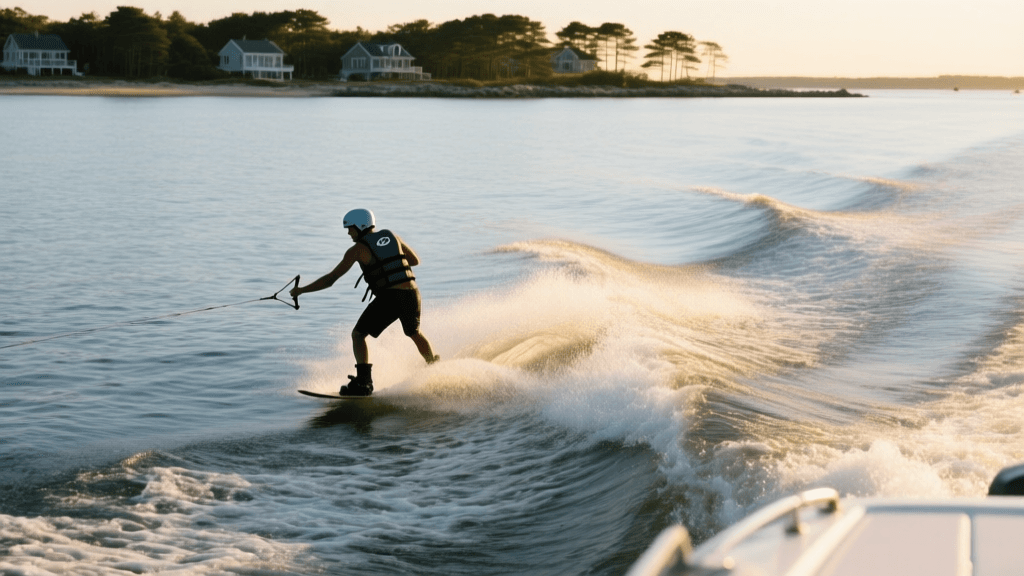
Water skiing, tubing, wakeboarding, and similar activities can turn a routine Long Island boating outing into a busy operation. Before anyone gets in the water, decide who will operate the boat, who will watch the participant, where the activity will take place, and what conditions will end it. Long Island waterways can bring changing traffic, wakes, wind, and visibility, so a plan should account for more than the activity itself. This checklist covers equipment, passenger briefings, spotters, weather, activity restrictions, and insurance wording. Treat it as a pre-departure review, then follow applicable New York boating laws and the instructions for your vessel and equipment.
Why Preparation Matters Around Long Island
Long Island boaters may launch on sheltered bays, navigate busy channels, or head toward more exposed water, and conditions can differ substantially across a single outing. A calm launch area does not guarantee a smooth ride later; afternoon wind, boat wakes, changing visibility, or crowded weekend traffic can affect a towing route. Local residents traveling from Plainview, Hicksville, Bethpage, or Huntington may spend significant time reaching a launch, making it tempting to press ahead once they arrive. Set safety limits before departure instead. Check a reliable marine forecast and local advisories, identify a suitable riding area, and be ready to postpone or stop when conditions no longer support clear communication and controlled operation.
Inspect the Boat and Towing Equipment
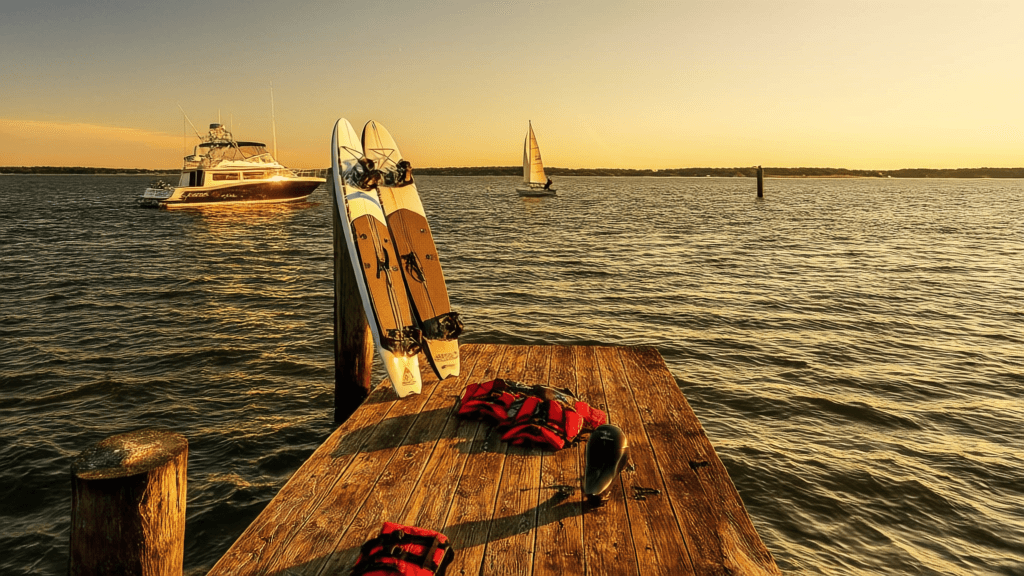
Check the boat’s steering, throttle, engine operation, fuel, navigation lights, and required safety equipment before towing. Inspect the tow rope for fraying, knots, damaged sections, or an unsuitable length, and confirm that the attachment point is designed for the intended load. A waterski pylon, tow bar, or approved stern attachment should be used only as its manufacturer directs; never improvise by tying a line to a cleat or another fitting not intended for towing. Confirm that the rider’s properly fitted, approved life jacket is appropriate for the activity and in good condition. Keep a knife or other suitable rope-cutting tool accessible to the operator, and stow loose lines so they cannot foul the propeller.
Brief Every Passenger Before the First Tow
A short passenger briefing helps everyone know what to do if the rider falls, the boat needs to stop, or a problem develops. Explain the hand signals the group will use for faster, slower, turning, and stopping, and agree on a clear signal that means the rider is finished. Tell passengers to stay seated while underway, keep hands and feet inside the boat, and remain clear of the tow line and propeller area. Make sure the rider knows how to release the handle, signal distress, and float away from the boat after a fall. Discuss where the rider should wait while the boat circles back, and remind everyone that an approaching vessel or emergency takes priority over continuing the activity.
Assign a Dedicated Spotter
The operator needs to concentrate on steering, speed, traffic, and the route; a separate spotter should continuously watch the person being towed. Before leaving the dock, identify an attentive passenger who can communicate clearly with the operator and report a fall immediately. The spotter should keep the rider in view, watch for other boats and obstacles, and understand the agreed signals. Do not treat a quick glance from the operator as a substitute for a dedicated observer. If the spotter becomes distracted, needs to move, or cannot see the rider, stop the activity and restore the lookout role before towing resumes. Confirm any spotter or observer requirements in current New York boating guidance.
Check Weather, Water, and Visibility
Review the marine forecast shortly before departure and continue watching conditions during the outing. Wind-driven chop and wakes can make a tow uncomfortable or difficult to control, while rain, haze, or glare can make a rider harder to see. Choose a protected area with enough room to turn without cutting across busy navigation routes, and avoid towing near swimmers, docks, anchored boats, or restricted areas. Establish specific stop conditions, such as thunder, rapidly worsening visibility, excessive waves, heavy traffic, or a rider showing fatigue. Forecasts are guidance, not a guarantee; if the water looks materially rougher than expected, pause and reassess rather than relying on the morning plan.
Match the Activity to the Rider and the Boat
The person being towed should be comfortable with the activity, understand the signals, and be capable of communicating discomfort or distress. Select speed and maneuvering based on the rider’s experience, equipment instructions, water conditions, and the boat’s capabilities rather than a passenger’s request for a faster run. Do not overload the vessel or exceed its capacity plate, and account for the weight and seating needs of everyone aboard. Before starting, review whether the planned activity is permitted in the chosen area and whether any local rules, manufacturer limitations, or launch-site restrictions apply. Stop if the rider is tired, the boat is handling poorly, or the group cannot maintain a safe lookout.
What Long Island Boaters Should Verify Locally
Long Island offers a range of boating settings, from bays and harbors to more exposed coastal waters, and the right plan depends on the launch point and route. Before towing, check current navigation notices, local access rules, marked channels, and any posted restrictions for the specific waterway. Conditions and traffic near Huntington may differ from a sheltered outing closer to Wantagh or Massapequa, so avoid assuming that one familiar route represents every trip. Boaters coming from Woodbury, Jericho, Levittown, Farmingdale, Melville, or Syosset can make the drive worthwhile by checking launch conditions and forecasts before loading the boat. Follow current New York requirements and local authority guidance, since rules and advisories can change.
Review Your Boat Insurance Before Towing
Do not assume that a policy covers every activity simply because it covers the boat. Read the actual policy and endorsements for wording about water skiing, tubing, wakeboarding, towing, passenger injuries, liability, and use of the vessel. Look for exclusions, conditions, definitions, and limits that could affect the activity; a declarations page alone may not explain all applicable restrictions. Ask the insurer or licensed insurance professional to clarify ambiguous wording in writing before the outing, and describe the boat, activity, and who may operate it accurately. Coverage depends on the specific contract and facts of a claim, so no general checklist can guarantee that an incident will be covered.
Before You Tow: Key Takeaways
- Inspect the boat, approved towing attachment, rope, life jackets, and safety gear; replace damaged or unsuitable equipment before departure.
- Assign a capable operator and a dedicated spotter, then agree on rider signals and an emergency stop plan with every passenger.
- Check the marine forecast, visibility, traffic, route restrictions, and local rules; stop when conditions exceed the group’s comfort or control.
- Confirm the policy wording and any endorsements for towing activities, passenger injuries, liability, operators, and exclusions before using the boat.

Take the Next Step Before Your Outing
Use this checklist while the boat is still at home or at the launch, when there is time to correct a missing item or change the plan. Save the marine forecast, confirm the intended riding area, check required safety equipment, and make sure each passenger understands their role. Then review the current policy documents rather than relying on assumptions or a verbal summary. If wording is unclear, contact the insurer or a licensed insurance professional and ask a specific question about the activity planned, the boat’s operators, and possible passenger or rider claims. A brief review can uncover restrictions while there is still time to seek clarification or consider other options.
Make Your Pre-Departure Review Part of the Routine
Check the equipment, conditions, passenger roles, local rules, and policy wording before each Long Island towing outing.
Get a Free Quote