Why Water Sports Coverage Deserves a Close Look
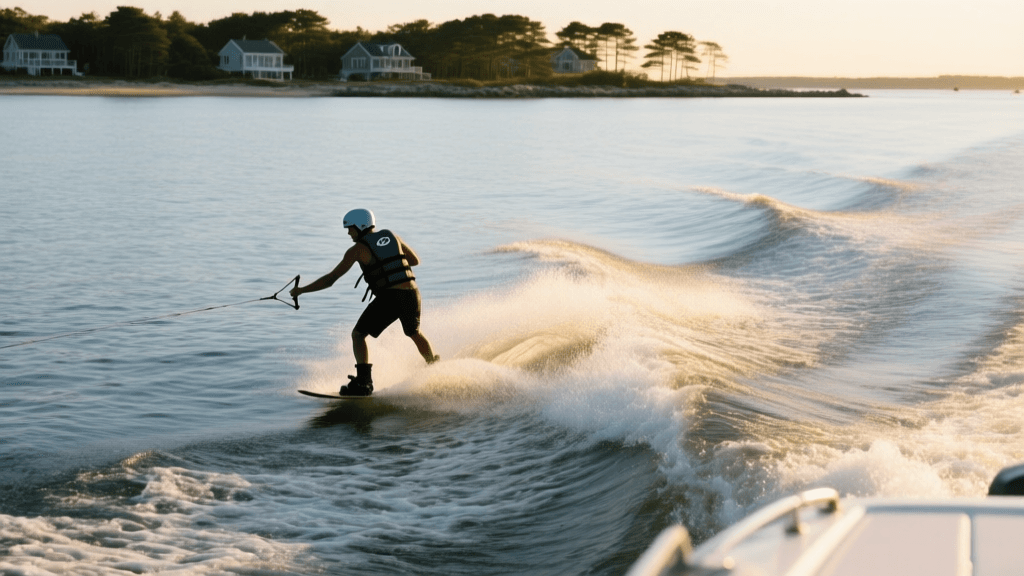
A boat policy may cover ordinary cruising but apply different terms when the boat is pulling a skier, wakeboarder, or tuber. Those details matter because towing adds another person, another set of possible injuries, and a different kind of operation to an outing. Before a Long Island boating day, read the policy and endorsements rather than assuming that recreational use automatically includes every activity. Look for exclusions, limits, safety conditions, and definitions of covered water sports. This guide explains what to check and what to ask an insurer or licensed agent so you can make an informed decision before passengers climb aboard.
What Policy Exclusions and Restrictions Can Mean
An exclusion is policy language that removes coverage for a specified situation; a restriction may allow coverage only when stated conditions are met. A policy might treat water skiing differently from tubing, restrict organized competition, or require a designated observer while a person is being towed. Liability coverage generally addresses covered claims that the insured becomes legally responsible for, while physical damage coverage applies to covered damage to the boat itself. Neither should be assumed to cover every tow-sport accident. Read the definitions and exclusions alongside the declarations page, and ask for the relevant wording in writing if a summary or sales conversation leaves the answer unclear.
Start With the Exact Activities You Plan to Do
Describe your actual plans as specifically as possible. Ask whether the policy includes water skiing, wakeboarding, kneeboarding, tubing, and towing inflatable devices, and whether any activity has a separate limit or exclusion. Also clarify whether the answer changes for a paid lesson, a club event, competition, or a guest using the boat without the owner aboard. For example, a family that occasionally pulls a tube may have different questions from someone who regularly wakeboards with several guests. Do not rely on a broad answer such as “recreational boating is covered.” Ask which policy provision controls and whether an endorsement is needed to include the activity.
Check Operator, Observer, and Equipment Conditions
Some policies or endorsements may set conditions around who operates the boat, who observes the person being towed, or what equipment must be used. Ask whether the named insured must be at the helm, whether an approved operator must be present, and whether a separate observer is required. Clarify any age, experience, or licensing conditions that apply to the operator. New York boating rules and safety requirements can depend on the operator and circumstances, so verify current requirements with official state sources rather than treating an insurance clause as a substitute for legal compliance. Check that the boat’s capacity, tow point, and safety equipment are appropriate for the activity and follow the manufacturer’s guidance.
Understand Liability, Medical Payments, and Passenger Questions
A tow-sport incident can involve an injured participant, a passenger aboard the boat, or damage to another vessel or property. Ask how the policy treats bodily injury liability when someone is being towed, whether passengers are included under the relevant coverage, and whether medical payments coverage applies regardless of fault or has specific limits. Confirm the liability limit and whether it is shared across claims from one accident. Also ask about defense costs, deductibles, and any exclusions for injury to an insured person or household member. Coverage depends on the contract and facts of a loss; these questions help identify gaps before an accident, not guarantee that a future claim will be paid.
Why Local Conditions Around Long Island Matter
Long Island boaters may travel between sheltered bays, harbors, and more exposed coastal waters, and conditions can change with wind, current, traffic, and visibility. A route near Huntington or Massapequa may involve different launch points and traffic patterns than a trip planned from Wantagh or a nearby community. These practical differences do not change policy wording by themselves, but they make it important to confirm the boat’s permitted navigation area, use, and operator requirements. If a trip crosses into unfamiliar waters or involves towing in a busy area, review local boating rules and choose conditions that leave room to stop safely. Keep the policy details accessible and ensure every operator understands the limits.
A Practical Checklist Before the Next Tow
Questions to Ask About Your Policy
- Which specific activities are covered, including skiing, wakeboarding, tubing, and towing inflatables, and are any excluded or subject to lower limits?
- Does coverage require a named or approved operator, a separate observer, particular safety equipment, or a minimum operator age or experience level?
- How do bodily injury liability, medical payments, and physical damage coverage apply when a participant is being towed?
- Are there restrictions for competitions, paid instruction, guest operators, or use outside the listed navigation area?
- Can the insurer provide the controlling policy language or an endorsement confirming the coverage and conditions?

What to Do Before You Head Out
Gather your declarations page, full policy, and endorsements, then compare their wording with the activities you actually plan to do. If anything is ambiguous, ask the insurer or a licensed insurance professional to explain the applicable provision and request confirmation in writing. If the policy does not fit your use, ask whether an endorsement or a different policy option is available, and compare limits, exclusions, deductibles, and conditions rather than price alone. Long Island residents in Plainview, Hicksville, Bethpage, Syosset, Woodbury, Jericho, Levittown, Farmingdale, Melville, Huntington, Massapequa, and Wantagh can use the same review process. Confirm current boating safety requirements, brief each operator, and make a conservative plan for weather and water conditions.
Review Your Policy Before the First Tow
Compare the policy language with your planned water sports and ask a licensed professional to clarify any exclusions or operator conditions.
Get a Free Quote