Start the Season With a Readiness Plan
A first outing on Long Island can shift from a relaxed harbor cruise to a stressful situation if a battery fails, fuel runs low, or a passenger gets hurt. A short pre-season review helps catch problems while the boat is still at the dock, when repairs and equipment checks are easier to manage. Before heading out, confirm who to contact in an emergency, inspect essential systems, and make sure every person aboard understands basic safety procedures. This guide explains how to check towing assistance benefits, prepare communications equipment, and build a practical readiness routine for Long Island boaters, whether the destination is a local bay, sound, or open-water route.
Why Early Preparation Matters on Long Island
Long Island boaters encounter varied conditions, from busy recreational waterways and marina traffic to changing wind, current, and visibility. Seasonal weather can turn a comfortable plan into a rough ride, while distance from a launch point or harbor can affect how quickly help arrives. Spring commissioning is also when equipment that sat unused over winter may reveal corroded connections, aging hoses, or depleted batteries. Build in time to test systems rather than assuming they will work because they did last season. Check current marine forecasts and official advisories before departure, and be prepared to postpone a trip if conditions, visibility, or the boat’s operating condition are not suitable.
Check Towing Benefits Before You Need Them
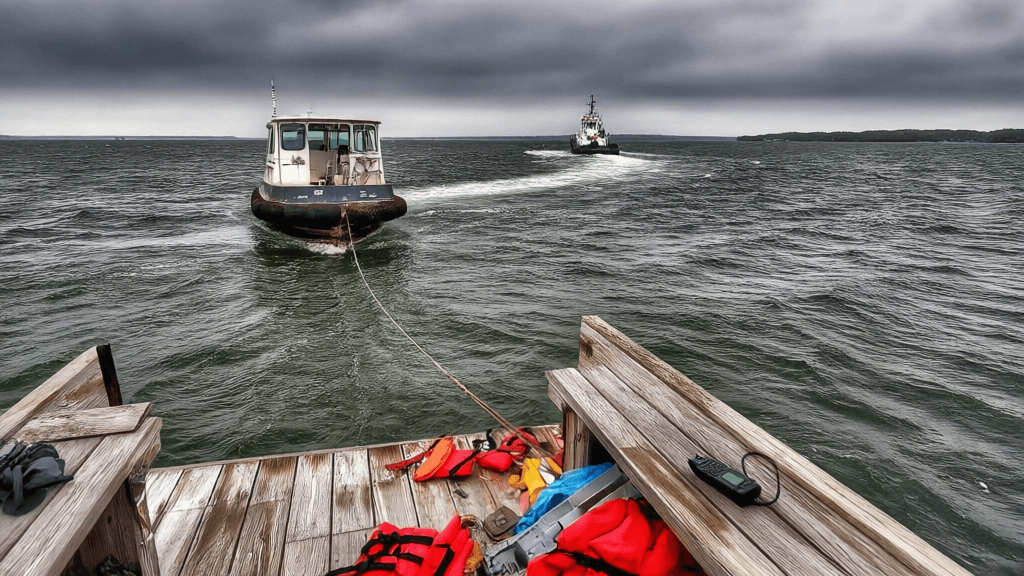
Boat towing assistance can help arrange a tow when a vessel becomes disabled, but the exact benefit depends on the policy, endorsement, or separate membership. Review the written terms before launch: find out whether assistance applies on the water, at a marina, or both; whether grounding, fuel delivery, jump-starts, and soft ungrounding are included; and whether there are distance limits, deductibles, or per-service caps. Also confirm how a request must be made and whether you need to use an approved provider. Keep the assistance number and policy details where the operator can reach them. A benefit should not be treated as a substitute for maintenance, a float plan, or emergency services.
Inspect the Battery, Fuel, and Essential Systems
Start with the battery: check its age and condition, secure mounting, clean terminals, and charging performance. Replace a battery that fails testing rather than relying on a jump-start as the plan. Inspect fuel lines, clamps, filters, and the tank for leaks, deterioration, or stale fuel concerns; follow the engine manufacturer’s guidance for fuel and maintenance. Test navigation lights, bilge pumps, steering, and the engine’s cooling and warning systems. Make sure the bilge is clear and that any required drain plugs are in place before launching. If a system is unfamiliar or shows a fault, have a qualified marine technician inspect it. A quick dockside test can prevent a small mechanical issue from becoming a tow request.
Test Communications and Set Emergency Contacts
A charged phone is useful, but it should not be the only way to call for help because cellular coverage and battery life can vary on the water. Test the marine radio, verify that its antenna and power supply are working, and review proper distress and routine calling procedures. Carry a backup power bank in a dry, accessible place, and store emergency contact information where passengers can find it. Before leaving, tell someone ashore the planned route, departure time, expected return, and a time to raise the alarm if the boat is overdue. Update that person if plans change. For a true emergency, use the appropriate distress channel or contact emergency services; do not delay urgent action while trying to resolve a routine towing issue.
Make Passenger Safety Part of the Departure Routine
Before leaving the dock, show passengers where life jackets are stored and make sure each person has an appropriately sized, serviceable option. Explain how to move around safely, where to sit while underway, and what to do if someone falls overboard. Identify the location of the fire extinguisher, first-aid supplies, sound-producing device, visual distress signals, and other safety equipment required for the boat and voyage. Keep the operator’s area clear, establish a sober and attentive person in command, and avoid overloading the vessel. Children and guests who are unfamiliar with boating may need a brief explanation of handholds, swim-ladder use, and staying clear of lines and moving machinery.
Prepare for Local Trips Around Long Island
Long Island residents often travel from inland communities such as Plainview, Hicksville, Bethpage, Syosset, and Jericho to launch sites and marinas, so readiness includes the trip to the water as well as time aboard. Confirm the launch location, parking arrangements, ramp conditions, and any local access rules before towing the boat to the coast. On the water, account for changing traffic, weather, and route conditions rather than assuming a familiar destination will always be straightforward. Boaters from Huntington, Massapequa, Wantagh, and surrounding communities should also check current local notices and marine forecasts for the specific area they plan to use. A written float plan and a realistic fuel reserve are useful whether the outing is short or lasts most of the day.
Pre-Launch Essentials to Verify
- Review the towing benefit’s limits, provider requirements, service phone number, and covered situations; keep the information accessible to the operator.
- Test the battery, engine, fuel system, navigation lights, steering, and bilge pump, and arrange qualified service for any warning signs.
- Check the marine radio and backup communication options, then share a route, return time, and overdue plan with someone ashore.
- Confirm that life jackets fit each passenger and that required safety equipment is present, serviceable, and easy to reach.
- Check the forecast and local advisories, file a float plan, and leave enough fuel for the planned route plus a reasonable reserve.

Turn the Checklist Into a Seasonal Habit
A readiness checklist works best when it becomes a repeatable routine, not a one-time spring task. Keep a dated maintenance record, note battery tests and repairs, and replace expired or damaged safety supplies before the next trip. Recheck weather, fuel, communications, and passenger equipment on the day of departure because conditions and crew can change. If you are comparing boat insurance options, ask specifically how on-water towing assistance is handled and request the policy language for limits and exclusions. Coverage details vary, so confirm them with the insurer or licensed insurance professional before relying on a benefit. With a prepared boat, informed passengers, and a realistic emergency plan, Long Island outings can begin with more confidence and fewer preventable surprises.
Review Your Boat’s Towing and Safety Plan
Compare available coverage details and confirm that your boat, passengers, and emergency contacts are ready before your next Long Island outing.
Get a Free Quote