

What Towing Assistance Coverage Is in Long Island, NY
Towing assistance is optional boat insurance coverage that helps pay for on-water towing and emergency services when a vessel becomes disabled and cannot safely return to port on its own. It is designed for situations such as engine failure, dead batteries, fuel delivery needs, minor mechanical breakdowns, or a soft grounding that requires help from a towing provider. For boaters in Long Island, NY, this coverage can be especially valuable because a short trip can quickly turn into a costly service call in crowded marinas, open bays, or near ocean inlets. Instead of paying the full towing bill out of pocket, the policy can reimburse or directly cover approved emergency assistance costs up to the policy limit.
Why Boaters Need Towing Assistance in Long Island, NY
Long Island boating comes with local conditions that make towing assistance more than a convenience. Heavy summer traffic, changing weather, shifting shoals, tidal currents, and long distances between launch points and safe harbor can all increase the odds of needing help. A stalled boat in local waters may create safety concerns fast, especially when wind picks up or visibility drops. Boaters traveling from Long Island toward nearby areas or launching from communities like Huntington, Massapequa, and Wantagh may also face high emergency response costs depending on location and time of day. Coverage like this is practical because marine towing invoices can rise quickly, particularly when service is needed offshore, after hours, or in an area where specialized marine response is required.
What Towing Assistance Covers
Most towing assistance coverage applies to common on-water emergency services tied to a covered boat. That often includes towing to the nearest repair facility or marina, jump starts or battery service, emergency fuel or fluid delivery, and soft ungrounding when the boat can be freed without major salvage work. Some policies also include limited dock-to-dock towing after a breakdown. It is important to understand that towing assistance is not the same as salvage coverage. If a vessel sinks, is heavily damaged, or needs a major recovery operation, that usually falls under separate policy terms. In Long Island, NY, boaters should review whether the policy sets a per-dispatch limit, annual maximum, deductible, or provider requirements before relying on the coverage.
Key Benefits of Towing Assistance Coverage
- Helps pay for emergency on-water towing after a mechanical breakdown or engine failure
- May cover battery jumps, emergency fuel delivery, and other basic assistance calls
- Can reduce large out-of-pocket costs for service in Long Island marinas, bays, and inlets
- Provides practical support for local recreational boaters, anglers, and seasonal operators
- Helps boat owners plan for unexpected incidents without confusing towing with salvage

Factors Affecting Towing Assistance Rates in Long Island, NY
Rates for towing assistance usually depend on the type of boat, where it is used, the insurer, and the coverage limit selected. A larger vessel, higher horsepower setup, or boat used in more challenging waters may cost more to insure than a smaller craft used close to shore. In Long Island, NY, pricing can also reflect local navigation risks, marina density, theft and claims history, and whether the boat is operated in inland waters only or also in coastal areas. Carriers may consider the age of the vessel, storage method, prior loss record, and whether the policy includes broader emergency service endorsements. Boaters in Plainview, Hicksville, Bethpage, and Syosset often compare towing assistance by annual premium, reimbursement limit, and whether a separate deductible applies.
How Towing Assistance Claims Work
The claims process usually starts when the boat becomes disabled and the operator contacts an approved towing or emergency marine service provider. After the service is completed, the boater may submit an invoice, dispatch record, incident details, and policy information to the insurer if reimbursement is required. Some policies work through direct billing with certain towing networks, while others reimburse covered costs after review. A clear explanation of where the incident happened, why assistance was needed, and what services were provided can help avoid delays. In Long Island, NY, keeping photos, time of loss notes, and receipts is smart, especially if the event happened near a crowded marina or in rough local conditions. Fast reporting also helps confirm whether the incident was routine towing, soft ungrounding, or a larger salvage situation.
Common Mistakes and Misconceptions About Boat Towing Coverage
One common mistake is assuming every boat policy automatically includes towing assistance. Many do not, or they include only a very small limit that may not match local towing costs. Another misunderstanding is thinking towing and salvage are the same thing. They are not. Simple towing for a disabled vessel is generally far less complex than a salvage operation after sinking, severe grounding, or major damage. Boaters also sometimes overlook provider rules, reimbursement procedures, or distance limits until after an incident occurs. In Long Island, NY, where service costs can vary by waterway and season, failing to review the policy wording can lead to unwelcome surprises. The best approach is to verify covered services, limits, exclusions, and whether emergency assistance applies where the boat is actually used.
Choosing the Right Towing Assistance Level in Long Island, NY
The right coverage level depends on how often the boat is used, how far it travels from port, and the type of waters it operates in. A boater who stays close to a launch ramp may need a different limit than someone regularly making longer runs along the coast or through larger bays. It also helps to think about the vessel size, engine complexity, and how expensive an after-hours tow could be. In Long Island, NY, selecting a stronger towing assistance limit can make sense for seasonal boaters who expect crowded waterways and active marina traffic during peak months. Review the per-incident cap, annual maximum, and any deductible alongside related coverages such as physical damage, fuel spill liability, and wreck removal so the policy works as a complete package.
Getting Towing Assistance Coverage in Long Island, NY
Getting covered usually starts with a quote based on the boat’s year, make, model, horsepower, navigation area, storage details, and prior insurance history. From there, the policy can be tailored to include towing assistance with limits that fit the boat’s actual use. Boaters in Long Island, NY often compare whether the coverage is reimbursement-based, whether approved towing networks are required, and how emergency service interacts with other marine policy protections. This coverage is relevant not only in Long Island but also for owners in nearby communities such as Woodbury, Jericho, Levittown, Farmingdale, Melville, and Bethpage who trailer or dock their vessels locally. Reviewing terms before the season begins can help avoid gaps and make it easier to get back to shore safely when an unexpected problem happens.
Answers to Boat Insurance Basics
Costs are usually modest compared with the price of a single marine tow. In Long Island, NY, the premium depends on the boat type, insurer, navigation area, and the limit chosen, but many boaters add this coverage because one emergency service call can cost far more than the annual endorsement.
It commonly includes on-water towing for a disabled vessel, battery jump service, emergency fuel delivery, and soft ungrounding. Exact terms vary by policy, so Long Island boaters should check dispatch limits, annual maximums, and exclusions for salvage or major recovery.
Many boaters do, especially if they operate in busy bays, marinas, coastal waters, or travel far from a launch point. In Long Island, NY, changing weather, tides, and local traffic can make a minor breakdown expensive if towing coverage is not in place.
Start by using an approved marine towing provider if the policy requires it, then keep the invoice, service details, and incident information. Submit those records promptly to the insurer so the claim can be reviewed as towing assistance rather than a non-covered salvage event.
No. Towing assistance is generally for routine emergencies like breakdowns or soft groundings, while salvage involves more serious recovery operations. That distinction matters in Long Island, NY because larger marine recoveries can be significantly more expensive and may fall under different policy terms.
Get Your Boat Coverage Started
Compare boat insurance options tailored to Long Island waterways in minutes.
Related Articles
Learn more about towing assistance coverage in long island, ny with these expert guides
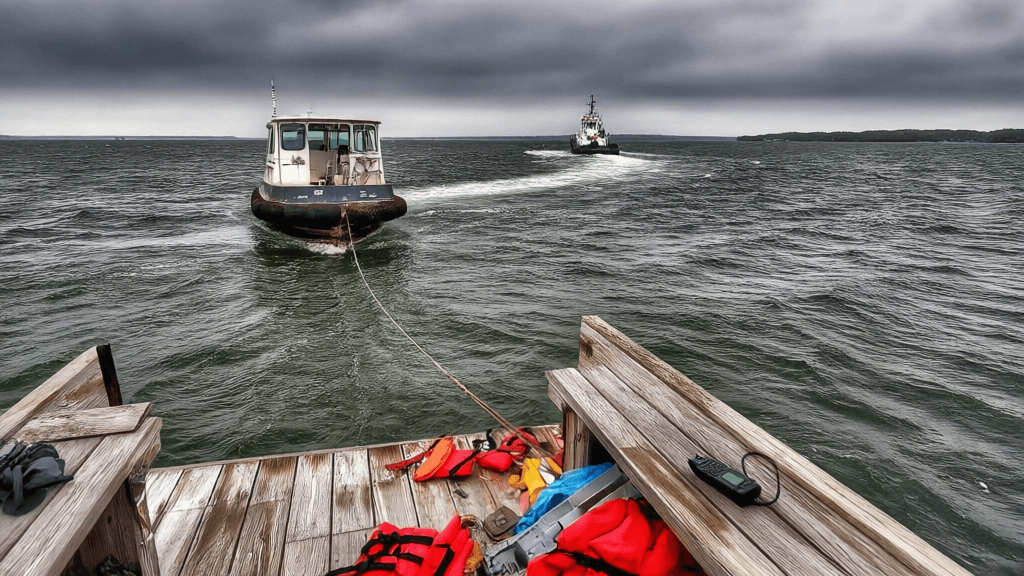
Towing Assistance Coverage
Long Island Boating Season Checklist: Towing Assistance and Emergency Readiness
A practical pre-season guide for Long Island boaters, covering emergency preparation, mechanical checks, communications,...
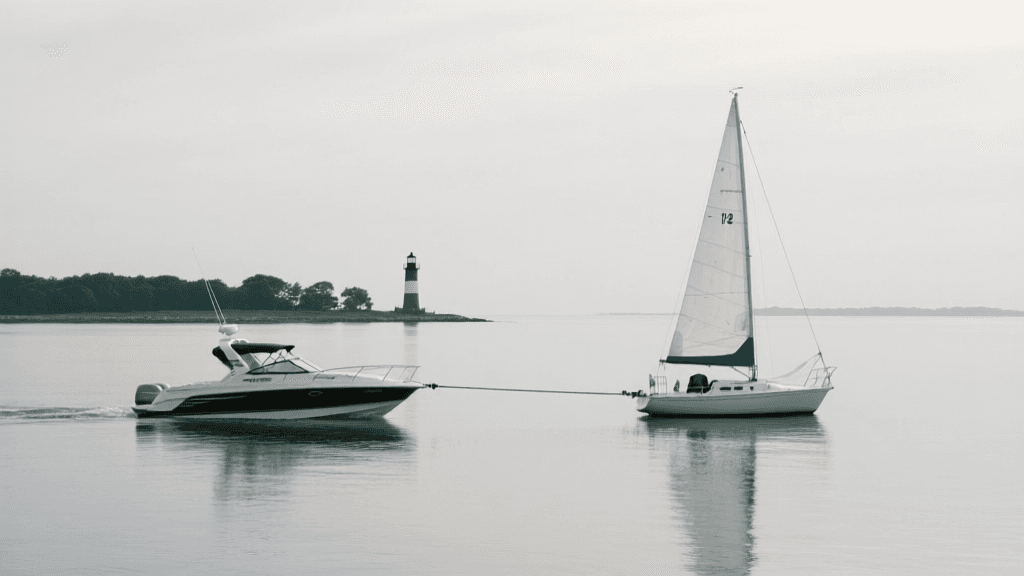
Towing Assistance Coverage
Reviewing Boat Towing Assistance Limits for Long Island Boaters
Boat towing assistance can help when a breakdown or other covered problem leaves a vessel unable to reach shore, but lim...
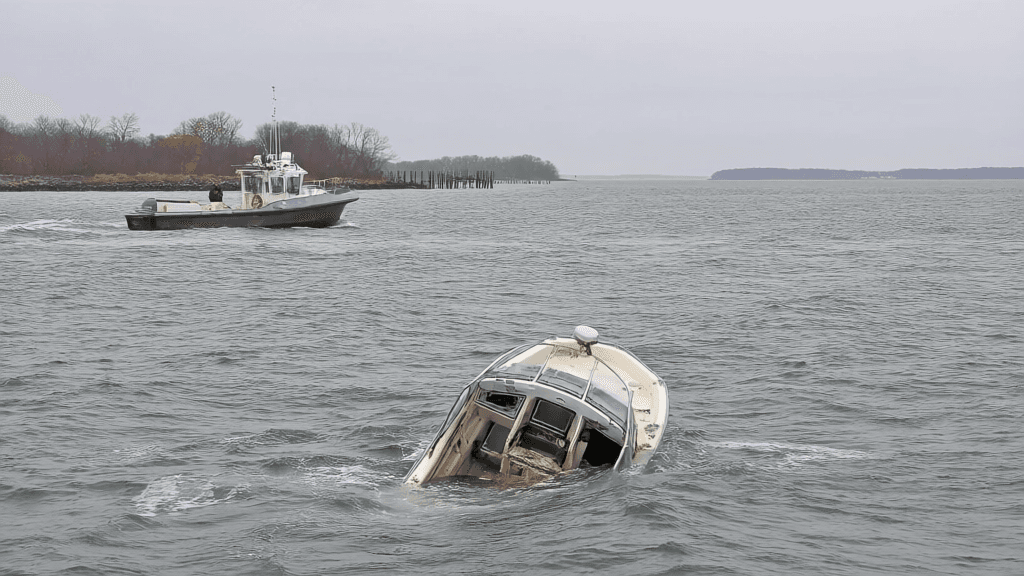
Towing Assistance Coverage
Boat Towing Assistance on Long Island: What to Do After a Breakdown
A boat breakdown on Long Island can become stressful when wind, current, traffic, or distance from shore complicates the...