Why Engine Care and Insurance Reviews Belong Together
A boat engine problem can turn a planned day on the water into an expensive interruption, especially when a vessel is far from its launch point or marina. For Long Island owners, routine care matters because boats may sit unused through winter, then face frequent trips during the busy boating season. Maintenance can help reduce preventable failures, while organized records make it easier to explain what work was performed and when. Insurance is a separate part of preparedness: policies may treat sudden accidental damage differently from gradual deterioration or neglected maintenance. This guide covers practical upkeep, useful documentation, and policy questions worth answering before the engine stops.
Long Island’s Seasonal Boating Rhythm
Many Long Island boats experience a distinct cycle: spring commissioning, active use through warmer months, and fall haul-out or winter storage. That pattern can leave fuel, batteries, cooling systems, and moving parts vulnerable if preparation is rushed or storage conditions are poor. Saltwater exposure around the South Shore and North Shore can also make corrosion checks particularly important, even when a boat is used mainly in protected bays or harbors. A boat kept near Huntington, Wantagh, or Massapequa may have different access and storage routines, but the core practice is similar: follow the engine manufacturer’s schedule and address unusual sounds, warning lights, leaks, or starting trouble promptly rather than waiting for the next trip.
Build a Practical Preventive Maintenance Routine
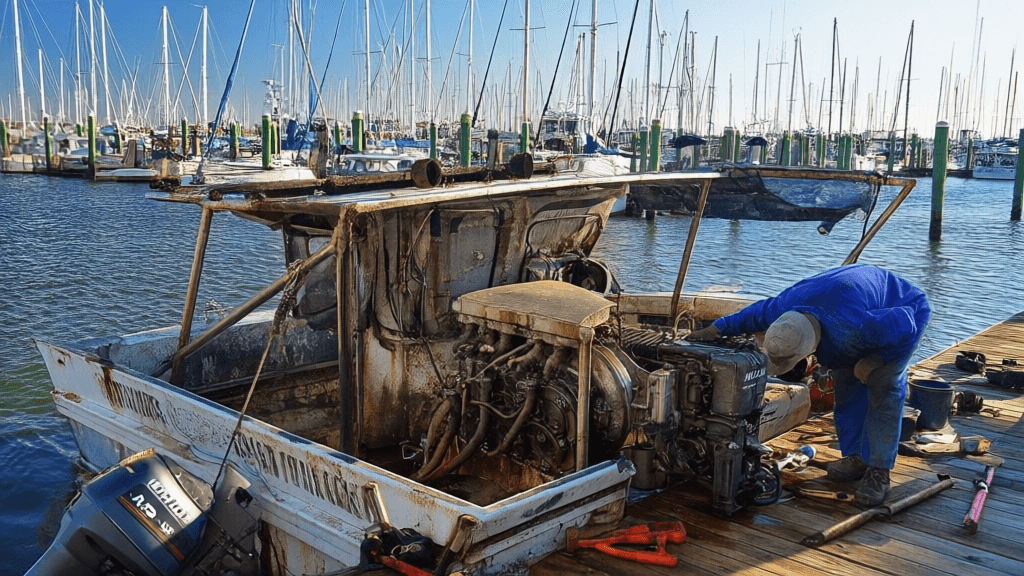
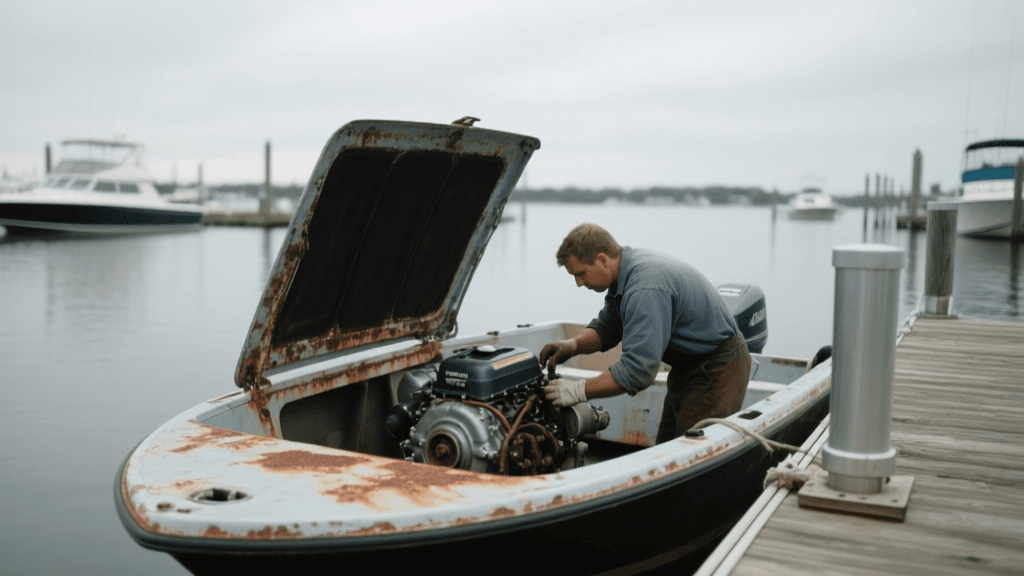
Use the owner’s manual and engine hours to plan service rather than relying only on a calendar reminder. Before outings, check oil and coolant where applicable, inspect fuel lines and connections, look for leaks, confirm battery charge, and make sure the cooling-water intake is clear. Follow the manufacturer’s guidance for oil and filter changes, gearcase service, impeller replacement, and spark plugs or other scheduled components. After saltwater use, flush the engine when required by its design and inspect exposed metal and electrical connections. If a warning alarm appears or performance changes, stop and investigate safely; continuing to run an overheating engine can turn a small service issue into major damage.
Prepare for Storage and Spring Commissioning
Winter preparation is not simply covering the boat and walking away. Depending on the engine and manufacturer’s instructions, winterization may involve stabilizing fuel, protecting the cooling system, changing fluids, disconnecting or maintaining batteries, and arranging proper storage. In Long Island’s cold-weather months, freezing water left in vulnerable passages can cause serious damage. Keep invoices and notes showing which services were completed, who performed them, and the date or engine-hour reading. In spring, verify that commissioning is complete before the first trip: inspect hoses, belts, batteries, fuel condition, and safety equipment, and arrange a professional check if storage conditions or prior symptoms raise concerns.
Keep Records That Tell the Engine’s Story
A useful maintenance file can be digital or paper, as long as it is easy to retrieve. Record the date, engine hours, work performed, parts installed, service provider, and any symptoms noticed before or after service. Save itemized invoices, manufacturer service bulletins, inspection reports, and photographs of damage or repaired components. If you do work yourself, note the procedure and parts used rather than entering only “serviced.” These records are valuable when selling a boat, planning future maintenance, or discussing a claim. They do not guarantee coverage, but they can help establish the boat’s condition and maintenance history when an insurer asks for supporting information.
Review Machinery and Breakdown Language Carefully
Do not assume every engine failure is covered simply because the boat has insurance. Policy wording may distinguish sudden accidental damage from wear and tear, corrosion, lack of maintenance, or a mechanical breakdown that occurs without covered external damage. Some policies may offer a machinery breakdown extension or apply specific limits, deductibles, age requirements, or maintenance conditions. Read the definitions and exclusions, and check whether the engine, propulsion system, and related equipment are included in the insured property description. Ask how the policy treats resulting damage when a failed part damages other components. The answer depends on the actual contract, so request clarification in writing before relying on a general summary.
What to Do When an Engine Problem Happens
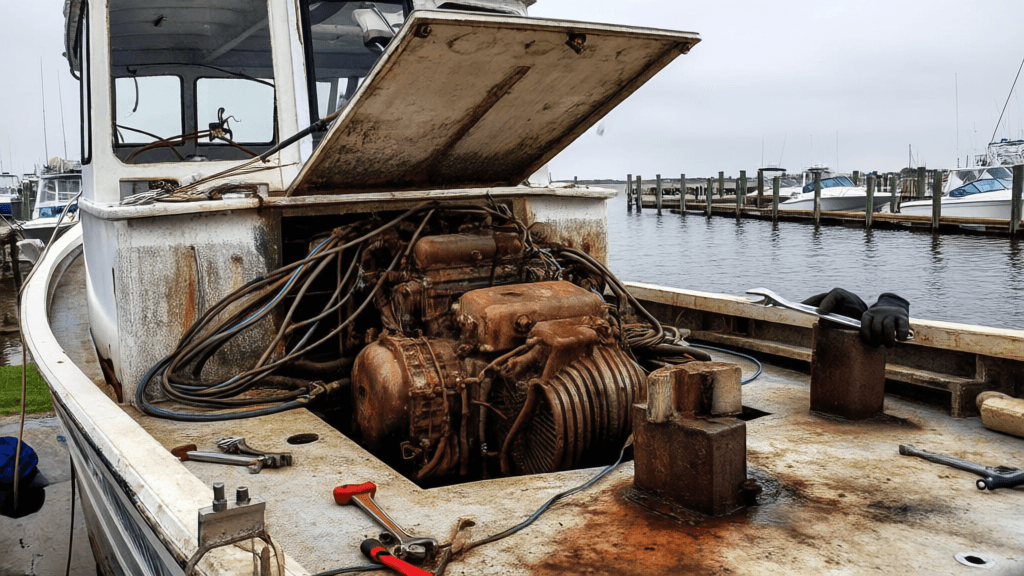
If an engine fails underway, prioritize people and vessel safety: follow boating safety procedures, use available assistance, and avoid repeatedly restarting an engine that may be overheating or losing oil pressure. Once the situation is stable, take photographs or video of visible damage, record the location and conditions, and note warning indicators or unusual sounds. Keep damaged parts and repair estimates when practical, and contact the insurer or claims contact promptly to ask what documentation and inspection steps are needed. Do not authorize extensive repairs before understanding any inspection requirements, except where immediate action is necessary to prevent further damage or protect safety. Keep copies of communications and every invoice related to towing, diagnosis, and repair.
Local Considerations for Long Island Owners
Long Island boaters may operate in sheltered bays, harbors, and open coastal waters, so trip length and access to assistance can vary substantially. A short outing from a local marina still calls for a working engine, charged communications equipment, and a plan for changing conditions. Owners based in Plainview, Hicksville, Bethpage, Syosset, Woodbury, Jericho, Levittown, Farmingdale, or Melville may store or service their boats elsewhere, making it especially important to keep maintenance records accessible rather than leaving them with the vessel. Huntington, Massapequa, and Wantagh are among the nearby communities tied to different boating routes and launch routines. Match inspections to the boat’s actual use, exposure, engine type, and storage arrangement.
Key Takeaways for Safer, Better-Documented Boating
Practical Steps to Take
- Follow the engine manufacturer’s service intervals and record the date and engine hours for each inspection or repair.
- Check for leaks, corrosion, fuel issues, battery problems, and cooling-system concerns before trips, and investigate warning signs promptly.
- Document winterization and spring commissioning, including the service provider, work completed, and parts used.
- Review policy definitions, exclusions, deductibles, machinery coverage, and any maintenance conditions before the boating season.
- After a breakdown, protect safety first, preserve evidence, keep invoices, and ask about claim inspection requirements before non-urgent repairs.

Review Your Boat and Policy Before the Next Trip
Set aside time before the season to compare the boat’s present condition with its maintenance file and insurance documents. Confirm that the vessel and engine details are accurate, ask how the policy handles mechanical breakdown and resulting damage, and identify any required inspections or service records. If the engine has recently developed a symptom, arrange diagnosis before heading out rather than treating insurance as a substitute for repair. A qualified marine technician can advise on engine-specific service needs, while the insurer or policy professional can explain the terms of the contract. For Long Island owners, this simple review can make seasonal planning clearer and help avoid surprises when service, storage, or a claim becomes necessary.
Make Your Pre-Season Review Count
Organize service records, inspect your engine, and ask direct questions about machinery coverage before your next Long Island boating trip.
Get a Free Quote