Why Pollution Liability Matters to Long Island Boaters
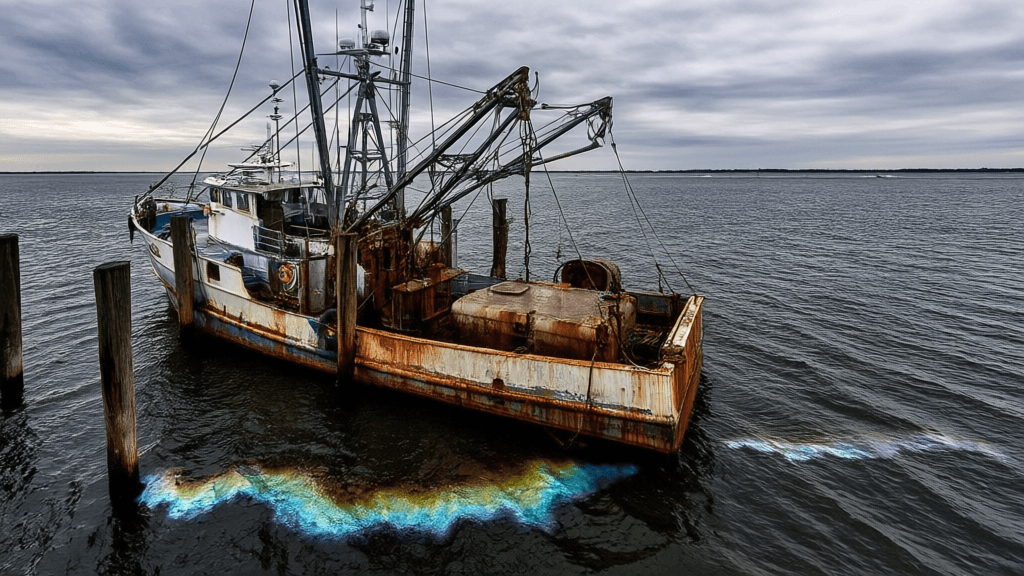
A sheen spreading across the water beside a boat may look minor, but even a small release of gasoline, diesel, or lubricating oil can trigger a response that is costly and time-sensitive. On Long Island, boats share busy marinas, canals, and harbors with other vessels, working waterfronts, and sensitive coastal habitats. A spill can affect neighboring boats, docks, shoreline property, or water access, creating cleanup expenses and possible third-party claims. Pollution liability is not simply another name for ordinary physical-damage coverage. Boaters should find out how their policy treats accidental fuel or oil releases, who can authorize cleanup, and whether expenses for damage to others are addressed.
How Spills Happen Around Docks and Harbors
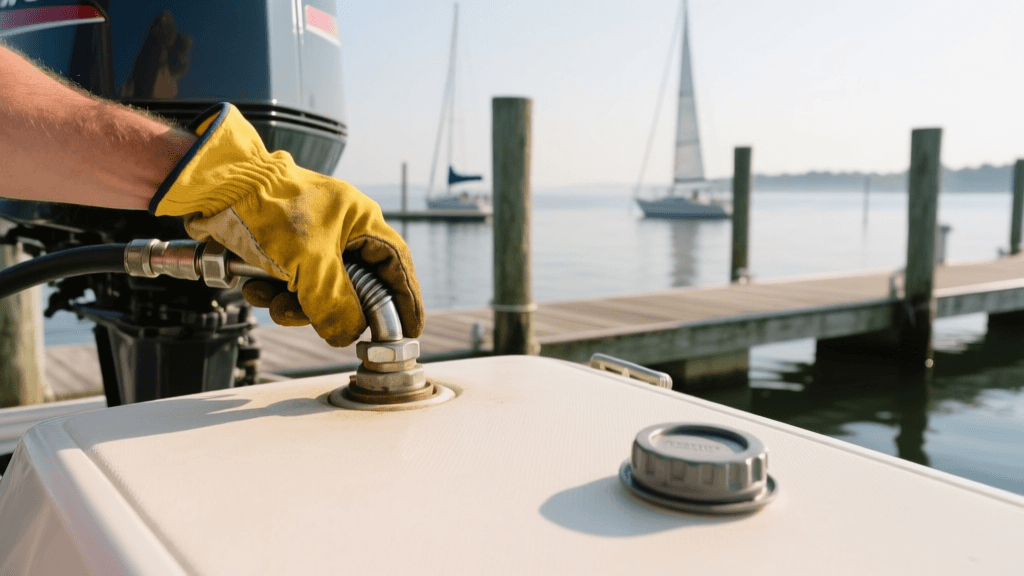
Many spills begin during routine activities rather than dramatic accidents. Overfilling a tank, a loose fuel hose, a cracked line, or a poorly secured portable container can release fuel at a dock. Oil may escape from an aging engine, a leaking filter, or maintenance work performed without a drip pan. At a mooring, a vessel can strike another boat or a floating object in rough weather, damaging a fuel system below deck. Long Island’s changing weather and crowded summer waterfronts can make a small leak harder to spot quickly. Learn where your boat’s fuel shutoff is, check bilges before departure, and treat an unexplained fuel odor or rainbow sheen as a reason to stop operations and notify marina staff.
What Pollution Liability May—and May Not—Cover
Coverage depends on the policy wording, the cause of the release, and the type of expense involved. Some boat policies may provide limited coverage for accidental fuel spills, cleanup, or resulting liability, while others may exclude pollution or restrict it with a sublimit. A policy’s liability section may respond to certain claims for bodily injury or property damage to another party, but that does not automatically mean it pays every environmental response or cleanup bill. Intentional releases, gradual leakage, failure to maintain equipment, or incidents outside covered circumstances may be treated differently. Ask for the exact limit, deductible, exclusions, geographic scope, and any reporting deadline in writing. Do not assume that marina insurance protects an individual boat owner.
Cleanup Costs and Claims Involving Other People
A pollution incident can involve more than removing visible fuel from the water. Depending on the situation, response may include containing the release, placing absorbent materials, removing contaminated material, and documenting the affected area. A neighboring boat owner might also claim damage to a hull or equipment, while a marina may seek reimbursement for response costs or interrupted operations. Whether an insurer pays these expenses depends on policy terms and the facts of the loss; cleanup arranged without the insurer’s consent can complicate a claim. In an emergency, prioritize safety and promptly contact appropriate local responders and marina personnel. Then notify the insurer as soon as practical, preserve receipts and photographs, and keep a clear record of instructions and actions taken.
Prevention Habits That Reduce Spill Risk
A short pre-departure routine can reduce the chance of a spill and help identify trouble early. Inspect visible fuel hoses, clamps, filters, and connections for cracking, corrosion, looseness, or dampness. Avoid topping off a tank; follow the vessel and engine manufacturer’s fueling guidance and stay attentive throughout fueling. Secure portable fuel containers, use absorbent materials where appropriate, and never discharge oil or fuel into the water. Keep the bilge clean enough that a new leak is noticeable, and investigate recurring fuel odors instead of masking them. Schedule maintenance before the busiest boating months, and make sure anyone who fuels or operates the vessel knows how to stop the flow and whom to alert at the marina.
Local Considerations for Long Island Marinas and Moorings
Long Island boaters encounter varied waterfront conditions, from sheltered marina slips to exposed moorings and busy harbor approaches. A vessel kept in Huntington may face different access and weather patterns from one launching near Massapequa or Wantagh, but the basic concern is shared: fuel and oil can move beyond the boat quickly. Inland communities such as Plainview, Hicksville, Bethpage, Syosset, Woodbury, Jericho, Levittown, Farmingdale, and Melville are also home to boat owners who travel to coastal facilities for the season. Ask the marina about its spill-reporting process, emergency contacts, and any rules for fueling or maintenance. Check current state and local requirements with the relevant authorities rather than relying on assumptions about who must report or pay.
Questions to Ask When Reviewing a Boat Policy
- Does the policy cover accidental fuel or oil pollution, and what specific event must trigger coverage?
- Are cleanup and containment expenses covered separately from liability claims, and does either have a sublimit?
- Does coverage apply at the boat’s normal marina, at a mooring, while underway, and during transport?
- Which exclusions apply to gradual leaks, maintenance-related releases, or failure to report an incident promptly?
- Must the insurer approve a cleanup contractor, and what should the owner do immediately to protect people and property?

What to Do Before the Next Launch
Before your next trip, read the boat policy’s liability and pollution wording rather than relying on a coverage summary alone. Write down the insurer’s claim-reporting number, the marina’s emergency contact, and the location of onboard shutoffs. Confirm that the vessel’s fuel system has been inspected, that required safety equipment is accessible, and that everyone aboard understands what to do if a leak or sheen appears. When comparing policies, describe how and where the boat is used, including its marina or mooring and seasonal storage arrangements. Ask for clear answers about cleanup costs, third-party property claims, deductibles, and exclusions. A careful review cannot prevent every accident, but it can reveal gaps while there is still time to consider suitable coverage.
Review Your Boat’s Spill and Cleanup Protection
Compare policy wording and ask a licensed insurance professional how pollution-related cleanup and liability limits apply to your boating plans.
Get a Free Quote