

What Boat Pollution Liability Means in Long Island, NY
Boat pollution liability is coverage that may help pay eligible costs or claims arising when a vessel accidentally releases fuel, oil, or another pollutant into the environment. Depending on the policy, that can include reasonable cleanup expenses and liability to others for covered environmental damage. It is not automatically included in every boat liability policy, and wording differs among insurers. Long Island boaters should check whether the policy applies to the vessel, the waters where it operates, and the particular substance released. Owners who keep a boat at a marina, trailer it to a launch, or cruise local bays should ask for the written coverage terms rather than assume ordinary property damage liability pays for a spill.
Why Pollution Liability Matters Around Long Island
Long Island's boating environment includes busy marinas, shallow bays, tidal inlets, and sensitive shorelines. A collision, damaged fuel line, grounding, or careless refueling can allow gasoline or oil to reach the water, where response and cleanup may be time-sensitive. Conditions vary between sheltered waterways and more exposed coastal routes, so the likely consequences of a release depend on where and how a boat is used. Owners in Long Island should also consider that a marina or launch facility may require proof of liability insurance, although its requirements may not guarantee pollution coverage. Ask about navigation limits and spill provisions if your boating routinely takes you beyond local harbors.
What Pollution Liability May Cover
Depending on the policy and facts of a loss, pollution liability may apply to accidental fuel or oil discharges, certain pollutant cleanup expenses, and covered claims alleging damage to another person's property or natural resources. Some policies may address emergency response costs, while others limit or exclude them. Coverage can depend on prompt notice, approved contractors, the source and substance of the release, and compliance with policy conditions. A boat that leaks fuel at a Long Island dock, for example, may create both a cleanup issue and a claim from a marina or neighboring boat owner. Confirm whether the policy pays first-party response costs, third-party liability, or both, and whether a separate endorsement is needed.
Potential Policy Benefits to Review
- Coverage may help with eligible cleanup expenses after a covered accidental fuel or oil release.
- Third-party liability protection may apply to covered claims for property or environmental damage.
- A dedicated pollution endorsement can clarify protection that may not appear in standard boat liability coverage.
- Policy limits and deductibles help define the owner's share of covered costs.
- Access to insurer-approved response procedures can help owners act quickly after a spill.

Factors That Can Affect Pollution Liability Rates
The cost of pollution liability depends on the insurer's underwriting and the complete boat profile; there is no single Long Island price that applies to every owner. Vessel type, length, age, engine and fuel capacity, value, condition, boating experience, claims history, navigation area, and requested limits can all affect a quote. Storage and use may matter too, including whether the boat is kept at a marina or used seasonally. The type of pollution protection selected, any deductible, and whether it is packaged with broader boat insurance may also change the premium. To compare options fairly, provide consistent details to each insurer and ask what exclusions, sublimits, and response expenses apply to the quoted price.
How to Handle a Boat Pollution Claim
If a spill occurs, protect people first and take reasonable steps to prevent further release without putting anyone at risk. Contact emergency responders or the appropriate authorities when required, and follow instructions for containing the discharge. Notify your insurer promptly using the claims contact shown in the policy, explain the location and substance involved, and ask before hiring a cleanup contractor unless immediate action is necessary to address an emergency. Take photographs when safe, record the time and circumstances, preserve receipts, and keep copies of marina or responder reports. Claims are reviewed under the policy language, so coverage and payment timing depend on the investigation, documentation, applicable limits, and whether required notice and cooperation conditions were met.
Common Misunderstandings About Boat Pollution Coverage
A frequent misconception is that every boat liability policy automatically covers fuel spill cleanup. Some policies include limited protection, some require an endorsement, and others exclude pollution-related expenses or apply a separate sublimit. Another mistaken assumption is that a small release cannot create a significant claim; cleanup obligations and third-party allegations depend on the circumstances, not simply the visible size of a slick. Owners also may assume that marina insurance requirements describe the coverage they personally need, but facility rules are not a substitute for reading an individual policy. Before buying, ask the insurer to explain the definition of pollutant, covered causes, emergency costs, geographic limits, exclusions, and reporting deadlines in plain language.
Choosing Appropriate Coverage Limits
Choose limits by considering the vessel's fuel capacity, typical operating locations, potential exposure to nearby boats and waterfront property, and the cost of arranging a professional response. A larger limit may offer more protection against a severe covered claim, but it does not remove exclusions or guarantee payment for every cleanup expense. Compare the per-occurrence limit with any annual aggregate, pollution sublimit, deductible, and defense-cost treatment. Ask whether the limit applies separately to cleanup and third-party liability or is shared between them. Long Island owners should also check any marina contract, lender condition, or club rule for minimum insurance requirements, then discuss whether those minimums are adequate for their use. Read the declarations and endorsements together before accepting a quote.
Getting Pollution Liability Coverage in Long Island
To explore pollution liability for a boat in Long Island, gather the vessel's year, make, model, length, value, engine and fuel details, storage location, and usual navigation area. Describe any prior losses accurately and request written confirmation of pollution coverage, including cleanup costs, third-party claims, exclusions, and sublimits. Owners in Plainview, Hicksville, Bethpage, Syosset, Woodbury, Jericho, Levittown, Farmingdale, Melville, Huntington, Massapequa, and Wantagh can compare available options using the same vessel information. Review the full policy and endorsements before binding coverage, and verify that the protection fits how and where the boat is used. Requirements and policy availability vary, so confirm current terms directly with a licensed insurance professional.
Review Your Boat’s Pollution Liability Options
Gather your vessel and navigation details, then compare written coverage terms, limits, and exclusions before choosing a policy.
Get a Free QuoteAnswers to Boat Insurance Basics
Boat pollution liability may cover eligible cleanup expenses and third-party claims arising from a covered accidental release of fuel, oil, or another pollutant. Coverage depends on policy wording, exclusions, limits, and claim conditions, so confirm whether cleanup costs and environmental damage claims are included.
There is no fixed price for Long Island boat pollution liability. Premiums can depend on vessel type and size, fuel capacity, value, navigation area, claims history, selected limits, deductible, and whether coverage is an endorsement or part of a broader policy. Compare quotes with matching details and limits.
Provide vessel details, storage information, boating locations, and loss history when requesting quotes. Ask for written terms describing covered releases, cleanup expenses, exclusions, sublimits, and reporting requirements, then review the policy and endorsements before binding coverage.
Whether it is legally or contractually required depends on the situation, marina rules, lender conditions, and policy arrangements. Even when not specifically required, owners may consider it because a spill can lead to cleanup costs or third-party claims. Verify current requirements and coverage terms for your vessel.
Not necessarily. Standard boat liability policies may exclude pollution or provide only limited protection, while some insurers offer a separate endorsement. Check the policy definitions, cleanup provisions, exclusions, and limits rather than relying on the coverage label alone.
Get Your Boat Coverage Started
Compare boat insurance options tailored to Long Island waterways in minutes.
Related Articles
Learn more about pollution liability for boats in long island, ny with these expert guides
Pollution Liability
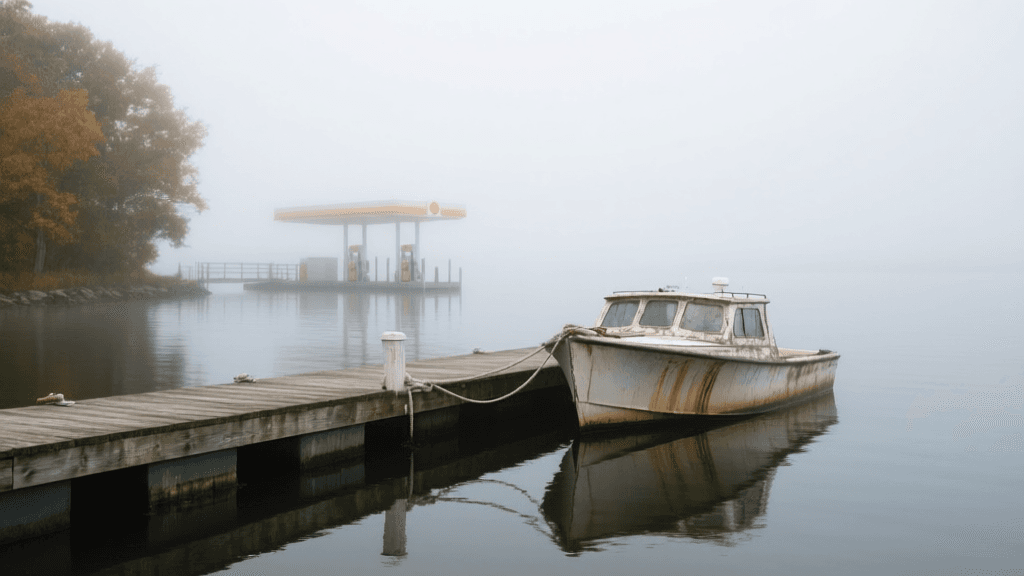
Boat Pollution Liability and Cleanup Costs: What Long Island Owners Should Review
A small fuel or oil release can lead to costly containment, cleanup, and third-party claims, but boat insurance treats p...
Pollution Liability
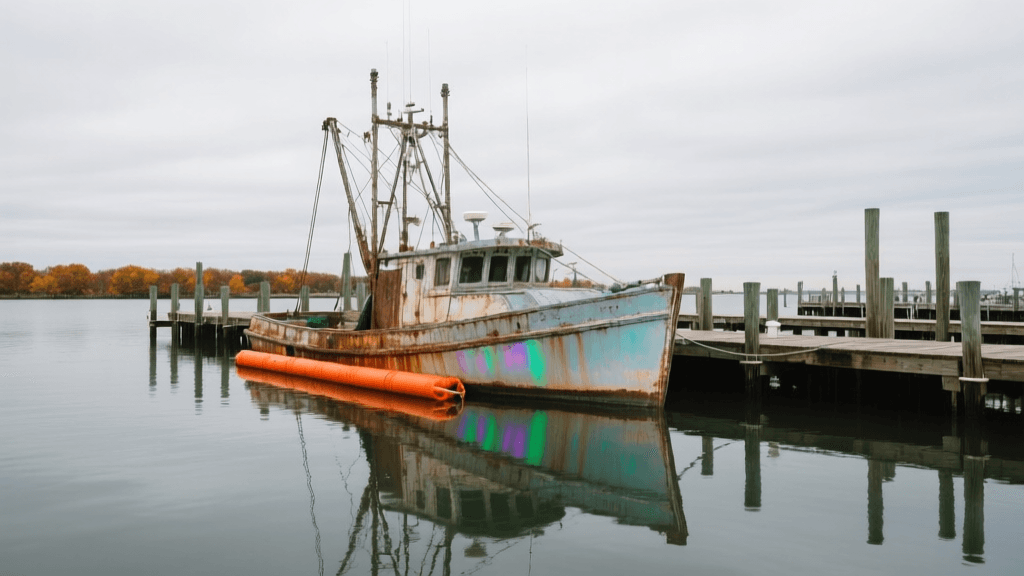
Pollution Liability Considerations for Long Island Marina and Harbor Boaters
A small fuel or oil spill near a dock can lead to cleanup expenses, harbor disruption, and claims from other parties. Th...