Why a Small Spill Can Become a Big Problem
A few drops of gasoline in the water may seem minor, but a leaking fuel line, overfilled tank, or damaged container can spread quickly and require a coordinated response. For boaters around Long Island, where busy marinas, bays, and tidal waterways bring vessels close together, even a limited release can affect nearby boats, docks, and sensitive shoreline areas. Pollution liability is insurance protection that may help address certain costs and legal responsibilities when a covered release of fuel, oil, or another pollutant occurs. The exact protection depends on policy wording, exclusions, limits, and the circumstances. This guide explains what to check and what to do first.
Long Island Waters, Marinas, and Seasonal Risks
Long Island boating ranges from sheltered marina slips to open Sound and ocean routes, and spill risks change with the setting. At a crowded fuel dock, a loose nozzle or an inattentive refueling moment can send fuel overboard. During spring commissioning, aging hoses and fittings may leak when engines are first run; after a rough outing, a damaged line or bilge discharge may go unnoticed until the vessel is back in its slip. Tides and wind can move a sheen away from its source, complicating cleanup and identification. A pre-season inspection, careful fueling, and routine bilge checks can reduce risk, but they cannot eliminate it. A policy review before launch helps clarify what financial protection may be available.
What Boat Pollution Liability May Cover
Boat pollution liability may help pay eligible third-party damages, cleanup expenses, or response costs following a covered pollution incident. Coverage is not automatic for every spill: a policy may define pollutants, specify which vessels or waters qualify, and distinguish sudden accidental releases from gradual seepage. It may also set separate limits or require prompt notice and cooperation with response providers. For example, if a ruptured fuel hose releases gasoline while a boat is underway, a policy could respond to some covered cleanup or liability expenses, subject to its terms. A slow leak from neglected equipment may be treated differently. Ask whether fuel, lubricants, hydraulic fluid, and waste are addressed, and whether costs for containment, removal, testing, or legal defense are included.
Cleanup Costs, Exclusions, and Policy Limits
Cleanup costs can include more than removing visible fuel from the surface. Depending on the incident, response may involve containment materials, professional contractors, disposal of contaminated materials, shoreline assessment, and documentation. Whether an insurance policy pays these expenses depends on its definitions, limits, deductibles, and exclusions. Some policies may exclude intentional acts, unreported maintenance problems, certain substances, or pollution from a vessel not listed on the policy. A standard boat liability limit should not be assumed to provide the same protection as specific pollution coverage. Review the declarations and full policy language, then ask for examples of how the limit applies to cleanup expenses versus third-party claims. Confirm whether defense costs reduce the available limit.
Immediate Steps After a Fuel or Fluid Release
If a spill occurs, prioritize people and prevent the release from spreading without putting anyone at risk. Stop the source if it is safe to do so, shut down equipment as appropriate, and keep ignition sources away from spilled fuel. Do not wash the substance into the water or use detergent unless an authorized responder directs you; dispersing a spill can worsen environmental harm. Notify marina staff and contact the appropriate authorities or emergency responders when required, giving the location, substance, approximate amount, and time. Then contact the insurer or claims contact promptly and follow instructions. Take photographs from a safe distance, record witness names, and preserve receipts and response records. Avoid guessing about fault or making promises about payment.
Reporting and Documentation in New York
Reporting duties depend on the substance, amount, circumstances, and applicable federal, state, and local rules. Do not rely on a general online threshold to decide that a spill can be ignored; contact emergency services or the relevant environmental authority when the situation may require reporting, and follow instructions from responders. Record the vessel name and registration, exact location, weather and tide conditions, suspected source, and actions taken. Keep copies of notices, marina communications, contractor invoices, and insurer correspondence. A written timeline made soon after the event is often more reliable than details recalled days later. In an active emergency, reporting and containment come before paperwork. Insurance notification does not replace any separate legal reporting obligation.
Local Considerations for Long Island Boaters
Long Island boaters may keep vessels near different kinds of waterways, from sheltered bays and canals to exposed coastal approaches, so response access and spill movement can vary considerably. A release at a marina near Huntington may present different tide, wind, and traffic conditions from one near Massapequa or Wantagh. Even residents of inland communities such as Plainview, Hicksville, Bethpage, Syosset, Woodbury, Jericho, Levittown, Farmingdale, and Melville may travel to launch sites and marinas across the Island. Before the season, save marina emergency contacts, know how to identify your location on the water, and check whether the marina has a spill-response plan. Ask how your policy coordinates with marina requirements and any separate liability obligations.
Key Points to Check Before Launch
- Read the policy definition of pollution and confirm which fluids or fuels are included, rather than assuming every release qualifies.
- Ask whether cleanup, containment, third-party property damage, legal defense, and contractor expenses share one limit or have separate limits.
- Inspect fuel hoses, clamps, tanks, bilges, and fluid lines; replace worn components and address warning signs before operating.
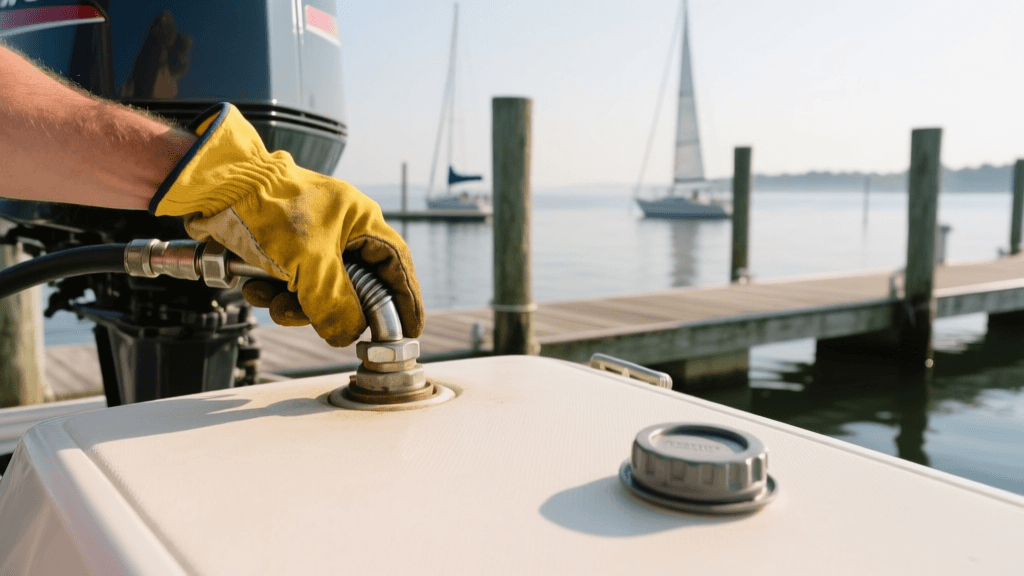
- Refuel slowly, avoid topping off, use an absorbent pad where appropriate, and keep watch for leaks during and after fueling.
- Keep insurer, marina, and emergency contact details accessible, and learn the steps for prompt incident reporting.

How to Review Your Coverage and Prepare
Before choosing or renewing boat insurance, compare more than the premium. Ask for the pollution liability limit, deductible, covered pollutants, geographic scope, notice requirements, and any conditions for using cleanup contractors. Request a plain-language explanation of how sudden accidental spills differ from gradual leaks and how pollution coverage interacts with general boat liability. Keep a copy of the policy on board or readily accessible, along with the vessel details an insurer may request. If you recently changed vessels, engines, storage locations, or boating use, confirm that the policy reflects those changes. A careful review cannot guarantee a claim will be covered, but it can expose gaps before an incident makes the details urgent.
Review Your Boat’s Pollution Protection
Compare policy terms, limits, and response requirements before your next Long Island boating trip.
Get a Free Quote