Why Fuel-Spill Prevention Belongs on Every Long Island Boater’s Checklist
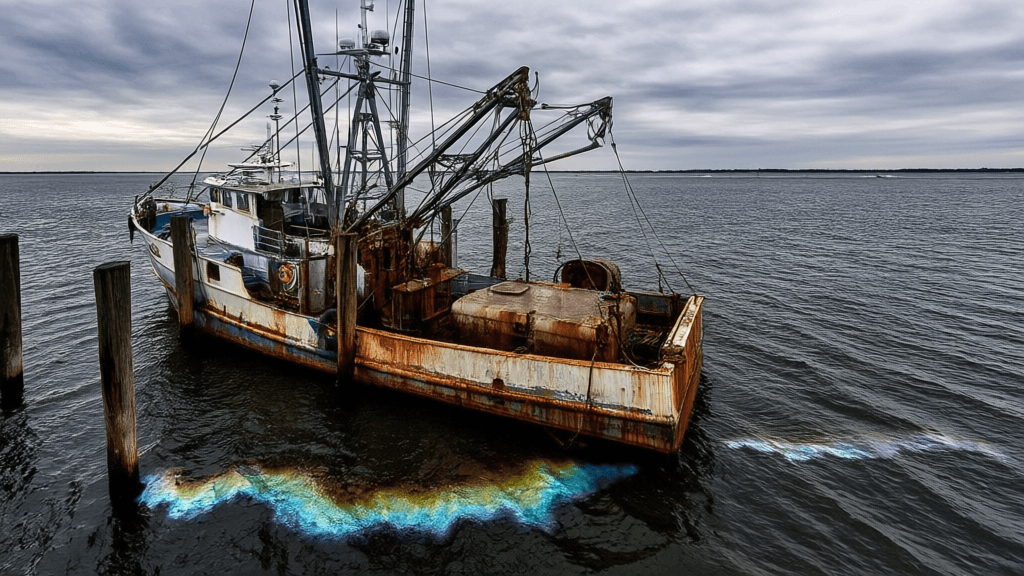
A fuel spill can begin with a loose connection, a cracked hose, or a tank that is filled too quickly. On Long Island, where boating brings people close to bays, harbors, marinas, and tidal creeks, prevention protects both the water and the boat. Fuel can spread rapidly across the surface, create hazardous fumes, and prompt costly cleanup or repairs. Before launching or heading out from a local marina, take a few minutes to check the fuel system and prepare for refueling. This guide explains what to inspect, what to keep aboard, and which insurance details are worth reviewing before a problem occurs.
Why Small Leaks Can Become Bigger Problems
Fuel-system wear is easy to overlook because many components sit beneath decks or inside enclosed compartments. Vibration, heat, age, and exposure to fuel can gradually weaken hoses, clamps, seals, and fittings. A faint gasoline smell may be an early warning rather than a harmless nuisance. In the confined space of a boat, fuel vapors can also pose a fire or explosion risk. Long Island boaters should treat a new odor, sheen, damp fitting, or unexplained fuel loss as a reason to stop and investigate, not as something to monitor casually underway. Follow the boat and engine manufacturers’ maintenance schedules, and have uncertain repairs assessed by a qualified marine technician.
Inspect the Fuel System Before the Season and Regularly During Use
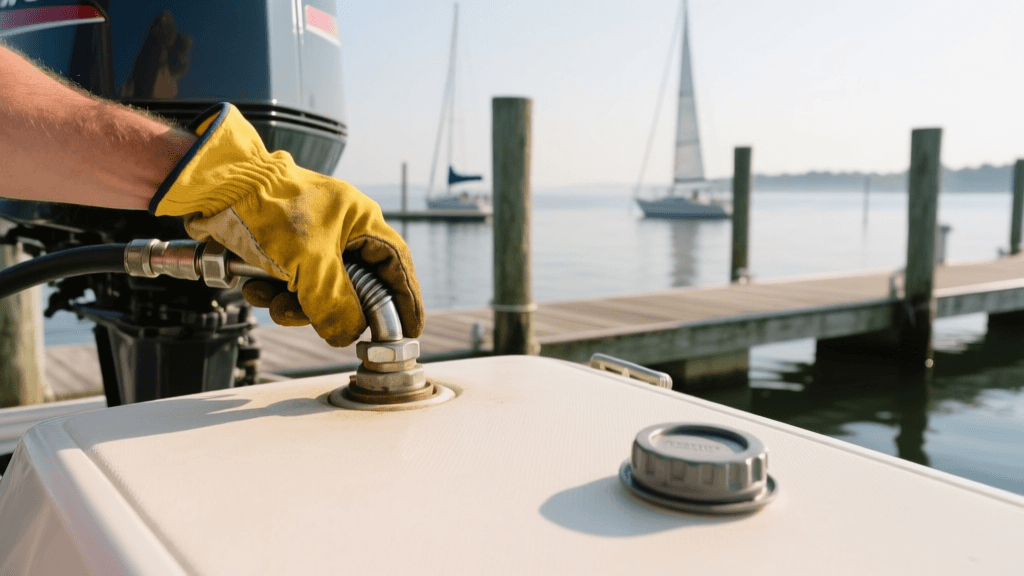
Start with a visual inspection of accessible fuel lines, primer bulbs, clamps, tank fittings, fuel filters, and the fill and vent hoses. Look for cracking, softness, corrosion, chafing, loose hardware, stains, and signs of leakage. Check that lines are secured away from sharp edges and hot engine surfaces, and confirm that tank vents are unobstructed. Never rely on a quick glance at the engine compartment alone; inspect the bilge and storage areas where a leak might collect. A written maintenance log can help identify recurring issues and show when parts were replaced. If a component is damaged, use suitable marine-rated replacement parts and qualified service rather than an improvised repair.
Refuel Slowly and Keep Fuel Out of the Water
Before refueling, secure the boat, switch off engines and other ignition sources, and ask passengers to stay clear of the fueling area. Keep the nozzle attended and listen for changes in the fill sound; do not force fuel into a tank after the pump shuts off or continue topping off. A tank needs room for expansion, and overfilling can send fuel through the vent or onto the deck. Use an absorbent pad around the fill opening when appropriate, while following marina rules and product directions. After fueling, wipe up any drips, check the deck and nearby water, and let vapors disperse before restarting. If fuel reaches the water, do not hose it away or use detergent.
Store Fuel and Spill Supplies Securely
If portable fuel containers are carried, use approved containers in good condition and secure them upright in a suitable, ventilated location away from heat and ignition sources. Keep containers closed, clearly identified, and protected from movement that could damage a cap or seam. Avoid storing extra fuel in living or enclosed spaces. Keep fuel absorbent pads and appropriate spill-control materials accessible, but do not store them where they can obstruct a bilge pump, ventilation opening, or exit. Review the instructions on each product before an emergency; absorbents can help contain a small release, but they are not a substitute for stopping a leak or calling for help when the situation is unsafe.
Make a Calm, Safe Response Plan
If you discover a spill, first consider people’s safety. Fuel vapors can ignite, so avoid creating sparks, do not start equipment that could provide an ignition source, and move people away if fumes are strong. If it is safe, stop the fuel flow and prevent additional discharge without putting anyone at risk. Do not pump contaminated liquid overboard, scrub fuel into the water, or use soap or detergent to disperse it. Follow local marina procedures and applicable reporting requirements, and contact emergency or environmental response authorities when needed. A simple onboard plan that identifies communication equipment, emergency contacts, and spill supplies can reduce confusion when every decision feels urgent.
Long Island Conditions Make Prevention Especially Practical
Long Island boaters may travel between protected marinas and exposed or busy waterways, with changing wind, current, and traffic affecting how quickly a small incident can be handled. A trip from Huntington toward other North Shore waters or from Massapequa and Wantagh toward South Shore bays calls for the same basic preparation: secure fuel gear, check for odors before departure, and know how to contact help. Boaters in Plainview, Hicksville, Bethpage, Syosset, Woodbury, Jericho, Levittown, Farmingdale, and Melville may keep boats at different marinas or launch points, so local facility rules can vary. Check the marina’s procedures and keep the boat’s emergency equipment in working order.
Key Takeaways for Preventing Boat Fuel Spills
A Practical Pre-Trip Routine
- Inspect accessible hoses, clamps, tank fittings, vents, and the bilge for wear, leaks, fuel odor, or unexplained residue before departure.
- Refuel with engines and ignition sources off, keep the nozzle attended, avoid topping off, and clean up drips before restarting.
- Secure approved portable containers upright in a suitable location, away from heat, sparks, and living spaces.
- Carry appropriate absorbent supplies and know the marina’s emergency procedures, but never take personal risks to contain a spill.
- Record maintenance and ask a qualified marine technician to assess damaged, aging, or uncertain fuel-system components.

Review Insurance Alongside Your Maintenance Plan
Good maintenance can reduce the chance of a fuel incident, but it cannot answer every question about financial protection. Boat insurance policies differ in how they address damage to the insured boat, liability to other people, pollution-related claims, and spill investigation or cleanup expenses. Limits, deductibles, exclusions, and conditions can matter, and coverage should never be assumed from a policy label alone. Read the current policy and ask a qualified insurance professional to explain whether accidental fuel discharge is addressed, what expenses may be excluded, and whether any reporting or maintenance requirements apply. Keep policy details, vessel information, and emergency contacts easy to access both at home and aboard.
Take the Next Step Before Your Next Outing
Set aside time before the next Long Island boating trip to inspect the fuel system, replace or repair questionable parts, confirm that spill supplies are usable, and review the marina’s response procedures. If you find fuel in the bilge, notice persistent fumes, or suspect a leak, do not launch or restart the engine until the source has been evaluated and the boat is safe. Then review your boat insurance documents with a qualified professional and ask direct questions about accidental fuel release, cleanup, and liability protection. A short maintenance routine and a clear understanding of policy terms can help you make informed decisions throughout the boating season.
Prepare for Safer Days on the Water
Review your boat’s fuel safety routine and insurance details before your next Long Island outing.
Get a Free Quote