Why Pollution Liability Belongs in a Boat Policy Review
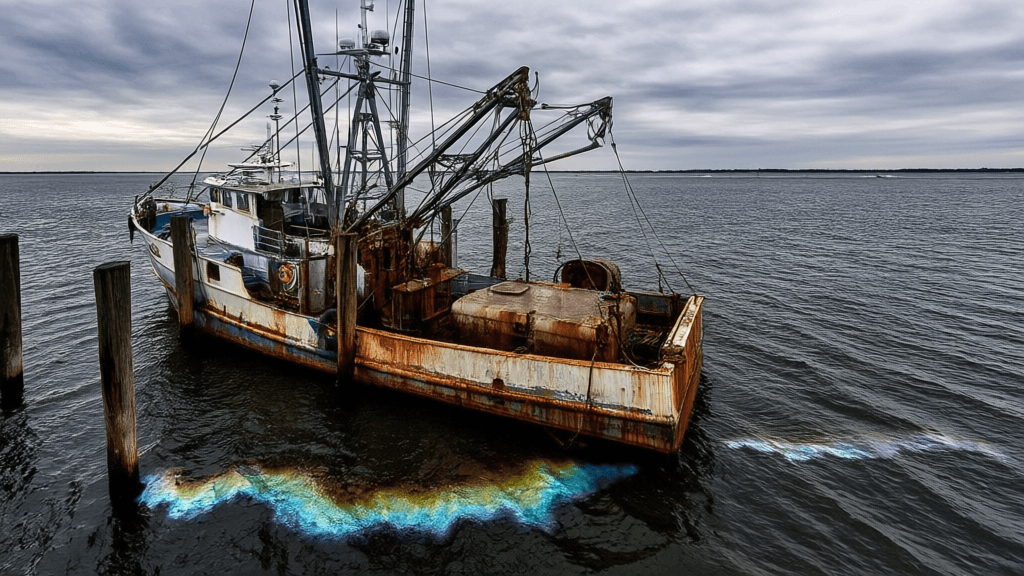
A boating accident does not have to involve a dramatic wreck to create a serious environmental expense. A ruptured fuel line, damaged tank, or vessel taking on water at a marina can release gasoline, diesel, or oil, prompting containment and cleanup work as well as claims from other boaters or property owners. For owners around Long Island, where boats operate in busy harbors, marinas, bays, and coastal waters, it is worth checking how the policy addresses pollution-related liability before the season begins. The central question is not simply whether the boat is insured, but whether the wording covers the specific response costs and third-party damages that could follow a discharge.
Why Cleanup Costs Can Differ From Ordinary Boat Damage
Physical damage coverage generally concerns repair or replacement of the insured boat and its equipment, subject to the policy terms. Pollution response is a separate issue: contractors may need to deploy absorbent materials, booms, skimmers, or other containment measures, remove contaminated materials, and document the incident. Depending on the circumstances, a marina, neighboring vessel owner, or public authority may also seek reimbursement for damage or response expenses. Costs can vary with the substance released, location, weather, access, and how quickly response begins. A policy may handle some liability expenses while excluding or limiting cleanup of the insured owner's own discharge, so a general promise of boat coverage should not be treated as proof of pollution protection.
Identify the Coverage Wording That Applies
Look for explicit language about pollution liability, fuel or oil discharge, environmental damage, and cleanup or removal expenses. Read the definitions as carefully as the coverage heading: a policy might define a covered discharge narrowly, distinguish sudden accidental releases from gradual seepage, or limit coverage to damage suffered by others. Check whether emergency response services are included, whether their costs erode the liability limit, and whether the insurer must approve a contractor before expenses are incurred. If the policy uses terms such as reasonable and necessary expenses, ask how those are applied during urgent containment. Keep the declarations, endorsements, and exclusions together; an endorsement can change a broad base-policy exclusion or add a limited benefit with its own conditions.
Compare Limits, Deductibles, and Related Claims
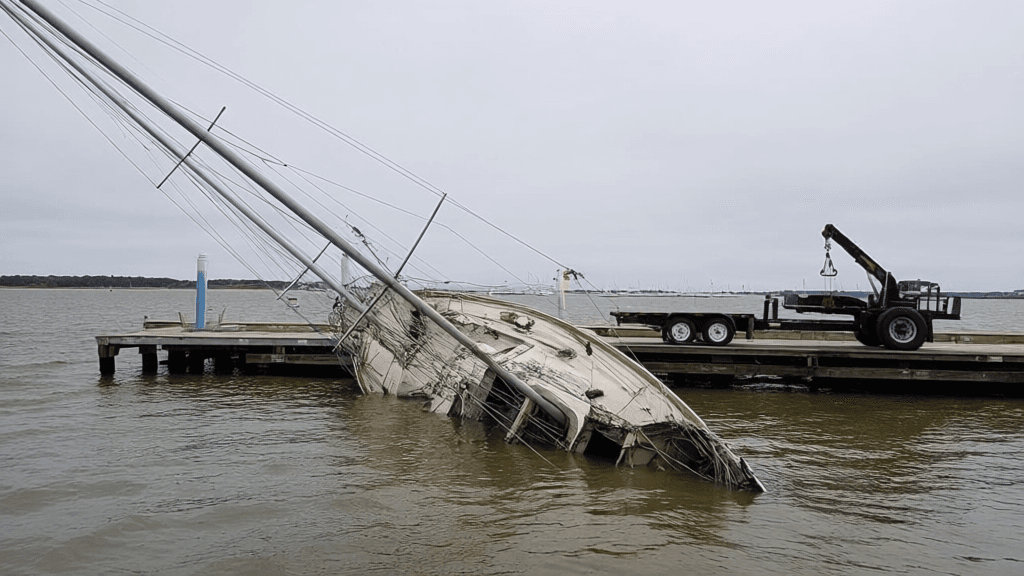
A limit is the maximum amount available under the applicable coverage, not a forecast of what a spill will cost. Confirm whether pollution expenses share a limit with general liability or have a separate sublimit, and whether legal defense costs reduce the amount left to pay a claim. Ask whether the limit applies per occurrence or across the policy period, and whether a deductible or self-insured amount applies to cleanup. Consider a practical scenario: a vessel is damaged at a crowded dock and leaks fuel; several parties may report property damage while a response team works to contain the release. If defense, third-party damages, and response charges draw from one small limit, the remaining protection may be less than expected.
Understand Exclusions and Duties After an Incident
Pollution exclusions can be broad, but their wording and exceptions matter. A policy may treat gradual leakage differently from a sudden accidental event, exclude certain substances, or restrict coverage when a vessel is used outside the described purpose or navigation area. Separate conditions may require prompt notice, cooperation with the insurer, reasonable steps to prevent further damage, or consent before admitting liability or agreeing to a settlement. These duties become especially important when a marina or authority requests immediate action. Ask what to do if emergency response cannot wait for prior approval, which claims phone number to use, and what records to preserve. Do not assume that a cleanup bill is automatically reimbursable simply because the spill was accidental.
Long Island Conditions Make the Details Relevant
Long Island owners may keep a boat in a sheltered marina, trailer it from an inland community, or travel among bays, harbors, and open coastal waters. The exposure and practical response options can differ by location: a spill at a crowded dock may involve nearby vessels and marina property, while an incident in a less accessible area can complicate containment and removal. Owners based in Plainview, Hicksville, Bethpage, Syosset, Woodbury, Jericho, Levittown, Farmingdale, or Melville may store or launch their boats elsewhere, so the policy's navigation territory and declared use should match actual plans. The same review is useful for boaters around Huntington, Massapequa, and Wantagh, where local launch routines and mooring arrangements may affect response logistics.
Use a Short Checklist Before the Next Trip
Policy Review Points
- Find every reference to pollution, fuel or oil discharge, cleanup, removal, and environmental damage in the policy and endorsements.
- Confirm the applicable limit, any sublimit or deductible, and whether defense or emergency response expenses reduce the available amount.
- Ask how sudden accidental releases, gradual leaks, fuel spills, and damage to the insured boat are treated separately.
- Verify navigation limits, vessel information, storage or mooring details, and declared use against how the boat is actually operated.
- Save the insurer's incident-reporting instructions and ask what immediate steps are permitted when containment cannot wait for approval.
- Maintain equipment and inspect fuel lines, tanks, hoses, and bilge areas according to the vessel maker's recommendations.

What to Do When Comparing Coverage
When comparing policies, provide accurate details about the boat, engine and fuel capacity, storage, navigation plans, and typical use. Ask for a plain-language explanation of pollution exclusions and the exact provision that addresses cleanup or response expenses; request copies of endorsements rather than relying only on a summary. If the policy does not clearly answer a question, have the insurer or a qualified insurance professional clarify it in writing before binding or renewing coverage. After an incident, prioritize safety, contact emergency services or the appropriate response authority when warranted, notify the insurer promptly, and document the scene and communications without delaying urgent containment. A careful review cannot prevent every spill, but it can reveal gaps while there is still time to make an informed coverage decision.
Review Your Boat’s Pollution Protection
Compare the policy wording, limits, exclusions, and response instructions before your next Long Island boating season.
Get a Free Quote