Why Storm Preparation Matters for Long Island Boat Owners
A Long Island storm can bring damaging wind, heavy rain, surge, floating debris, and abrupt changes at a marina or mooring. Even a boat that is secured carefully on a calm day can be exposed to shifting water, neighboring vessels, and dock hardware once conditions worsen. Preparing before forecasts become urgent gives owners time to arrange approved storage, inspect lines and equipment, and understand what their insurance does and does not cover. Comprehensive coverage may address certain sudden physical losses, but it is not a substitute for safe preparation and does not automatically cover every weather-related event. This guide explains practical steps to take before storm season and what to check in a policy.
What Comprehensive Coverage Can Mean
Boat comprehensive coverage generally refers to protection for certain accidental physical damage from causes other than collision, such as theft, fire, vandalism, hail, or falling objects. The exact scope depends on the contract, and storm-related terms deserve special attention. Wind damage, flooding, storm surge, and damage while a boat is ashore may be subject to different definitions, exclusions, limits, or deductibles. Some policies also contain requirements concerning where a vessel is kept or what precautions an owner must take when a storm is approaching. Before relying on a general description, read the declarations and relevant endorsements, then ask the insurer or licensed insurance professional to explain any unclear wording.
Start With a Written Storm Plan
Decide in advance where the boat will go if severe weather is forecast and who will carry out each task. Ask the marina about its storm procedures, haul-out availability, deadlines, and whether staff can assist after a warning is issued. If the boat is kept on a trailer, verify that the tow vehicle, approved storage location, and route are available well before conditions deteriorate. Prepare a checklist for removing loose items, checking batteries, securing canvas, and shutting down systems according to the manufacturer’s guidance. A plan should also include a point at which no one will attempt to travel to or move the boat because roads, waterways, or wind conditions are unsafe.
Choose Storage and Secure the Boat Carefully
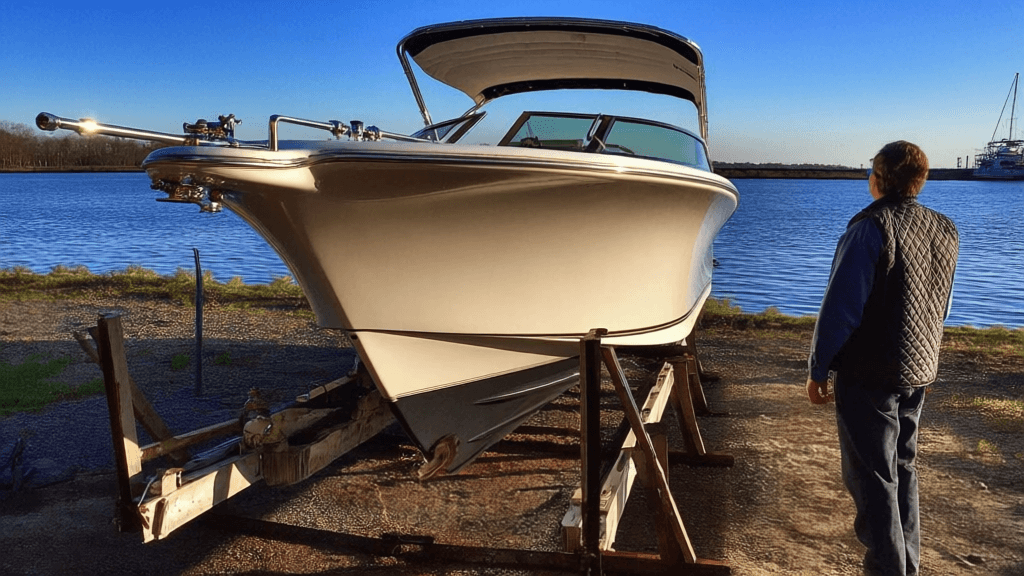
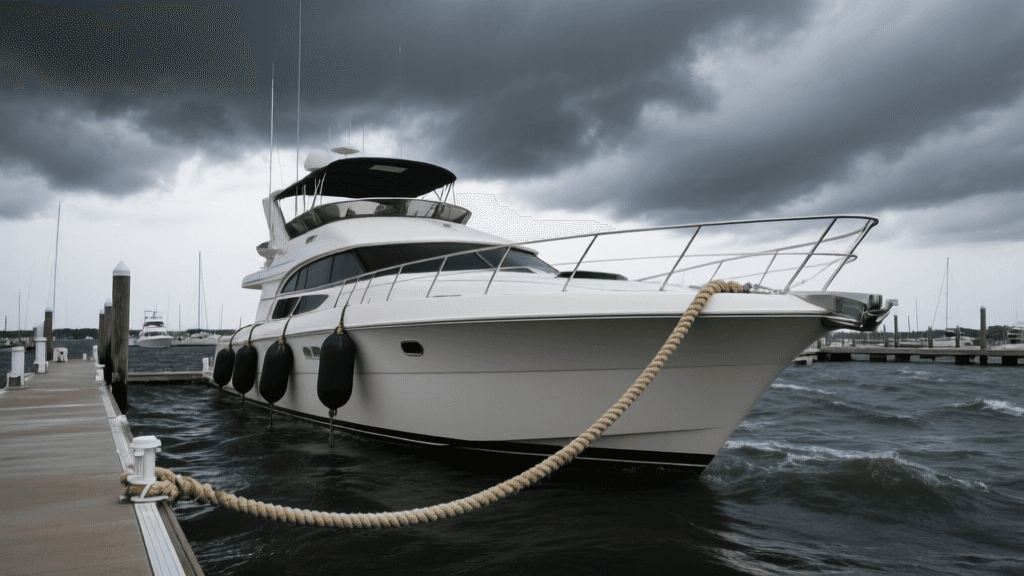
Storage decisions depend on the vessel, location, forecast, marina rules, and available time. Hauling a boat ashore can reduce exposure to some water and dock-related hazards, but only if the site and blocking are suitable and the vessel is protected from wind and nearby objects. A boat left afloat may need properly sized lines, chafe protection, adjusted slack for changing water levels, and fenders placed where contact is likely. Remove or secure loose gear, sails, covers, and detachable electronics as appropriate. Do not improvise unfamiliar tie-down methods or enter a hazardous marina during a warning. Follow the marina’s instructions and the boat and equipment manufacturers’ recommendations.
Document the Boat Before Weather Arrives
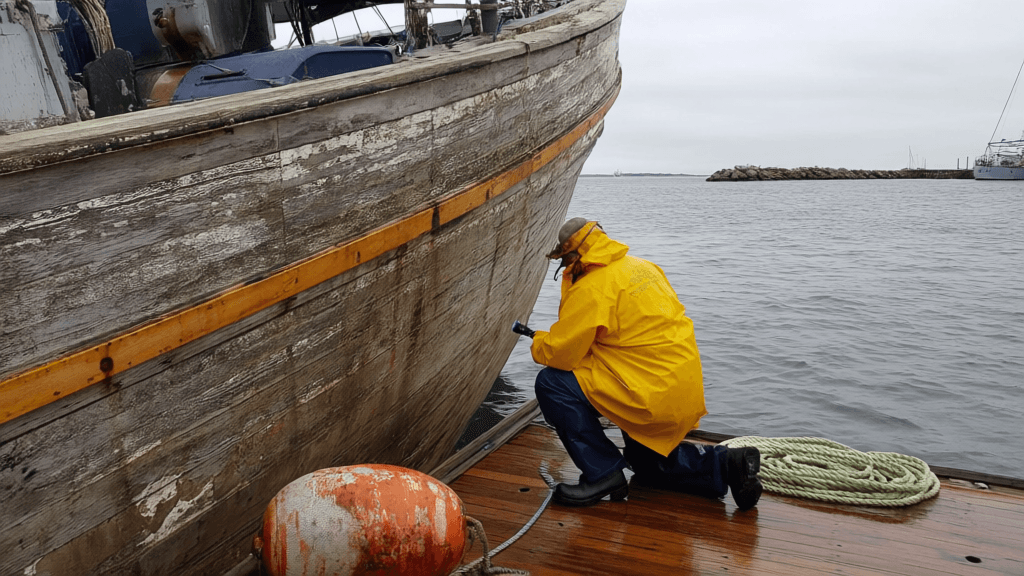
Create a dated visual record while the boat is in good condition and accessible. Photograph the hull from several angles, the deck, engine, electronics, trailer, safety equipment, and any existing marks or repairs. Record the vessel identification number, serial numbers, and approximate condition of valuable equipment, and keep purchase receipts and maintenance invoices where they can be retrieved if the boat is damaged. A short walkthrough video can provide useful context that separate images may miss. Store copies in a secure cloud account or another location away from the vessel. These records can support a claim investigation, help distinguish storm damage from pre-existing wear, and make it easier to identify missing property.
Review Storm Terms, Deductibles, and Limits
Before the season, locate the policy’s physical-damage coverage, exclusions, deductibles, navigation territory, and any storm-related endorsements. Check whether the contract distinguishes wind from flood or storm surge and whether a named-storm deductible differs from the ordinary deductible. Confirm whether coverage applies while the boat is afloat, on a trailer, in a storage yard, or being transported, and ask about any timing or notification requirements. Review limits for permanently installed equipment, personal belongings, towing, and emergency assistance rather than assuming every item is covered up to the hull limit. If the policy language is unclear, request an explanation in writing and keep it with the policy documents.
Local Considerations Around Long Island
Long Island’s mix of exposed shoreline, bays, harbors, canals, and inland storage locations means storm exposure can differ considerably from one berth to another. A vessel in a sheltered marina may face different risks from one on an exposed mooring, while access roads and haul-out capacity can become constrained as a storm approaches. Owners based in Plainview, Hicksville, Bethpage, or Farmingdale who trailer their boats may need to plan for both the vessel’s storage site and the route to it. Those using facilities near Huntington, Massapequa, or Wantagh should ask local marina operators about site-specific procedures rather than assume one plan fits every harbor. Check official forecasts and local emergency guidance, and never put personal safety at risk to protect property.
A Practical Pre-Season Checklist
Key Storm-Season Steps
- Confirm the policy’s storm, flood, and surge language, deductibles, limits, and storage requirements before severe weather is forecast.
- Ask the marina or storage operator about haul-out deadlines, storm procedures, communication methods, and post-storm access.
- Photograph the vessel and equipment, record identifying numbers, and save receipts and maintenance records somewhere separate from the boat.
- Secure loose gear and use appropriate lines, chafe protection, and fenders only in accordance with marina and manufacturer guidance.
- Keep a written decision point for when travel or handling becomes unsafe, and follow official warnings rather than attempting a last-minute move.

What to Do After a Storm
Wait until authorities and marina staff say the area is safe before approaching the boat. When access is permitted, photograph the scene and any damage before moving or discarding affected items, as long as doing so is safe. Take reasonable steps to prevent additional damage, such as arranging temporary protection, while avoiding repairs that could erase useful evidence before the insurer has given instructions. Notify the insurer promptly using the contact method listed in the policy and keep notes of conversations, dates, and claim information. Save receipts for reasonable emergency expenses and maintain an inventory of damaged property. If the boat is missing or has shifted, report the situation to the appropriate marina or authorities as well as the insurer.
Review Coverage Before the Forecast Turns
A useful storm-season review combines the vessel’s current value and equipment inventory with a careful reading of policy terms and a realistic storage plan. Gather the declarations page, endorsements, photographs, receipts, and marina procedures, then identify questions about flood, surge, named-storm deductibles, navigation limits, and coverage while ashore or afloat. Owners across Long Island, including those near Syosset, Woodbury, Jericho, Melville, and Huntington, can compare available boat insurance options and request clear explanations from licensed professionals. Do this well before the first serious forecast, since coverage changes may not take effect immediately and insurers can restrict new business during an impending event. Preparation cannot prevent every loss, but it can make decisions clearer when time matters.
Make Your Storm-Season Review Early
Compare boat coverage options and confirm storm-related terms before severe weather is in the forecast.
Get a Free Quote