

What Comprehensive and Collision Boat Coverage Means on Long Island
Comprehensive and collision are physical damage coverages that can help pay to repair or replace your boat after a covered loss. Collision generally applies when the insured vessel hits another boat, a dock, a submerged object, or another object, and may also apply to a capsizing incident depending on the policy wording. Comprehensive generally addresses covered losses that are not collisions, such as theft, vandalism, fire, hail, or certain storm damage. These coverages are different from liability insurance, which addresses covered injury or property damage you cause to others. On Long Island, NY, owners should review protection for the hull, permanently installed equipment, and any separately listed trailer or accessories.
Why Long Island Boat Owners Consider Physical Damage Protection
Long Island boaters encounter varied conditions, from crowded marina approaches and busy launch areas to exposed coastal waters and changing weather. A low-speed impact while maneuvering near a dock can damage a hull or propulsion system, while a severe storm can create wind, hail, falling-object, or mooring-related losses. Saltwater exposure and seasonal storage also make maintenance and careful vessel handling important, although ordinary wear, corrosion, and gradual deterioration are commonly excluded. In communities such as Huntington and Massapequa, boating routines differ by launch point and storage arrangement, so ask how your policy treats the boat while underway, at a marina, on a trailer, and in winter storage.
What Comprehensive and Collision Can Cover
Collision coverage may help with covered direct damage after your boat strikes a dock, another vessel, or an object in the water. Comprehensive coverage may apply to a covered theft, attempted theft, vandalism, fire, or certain weather-related events. Depending on the contract and how the vessel is insured, the policy may extend to listed motors, permanently attached equipment, and a scheduled trailer, but these details should never be assumed. Coverage can be subject to a deductible, valuation method, limits, navigation territory, and exclusions. Review whether personal effects, fishing equipment, electronics, towing, and emergency assistance are included or require separate limits or endorsements. The declarations and full policy wording determine what is covered in a particular loss.
Potential Benefits to Review
- Collision protection may help repair covered damage after an impact with a dock, another vessel, or an object, subject to the deductible and policy terms.
- Comprehensive protection may address covered non-collision losses such as theft, vandalism, fire, or certain storm damage.
- Agreed-value or actual-cash-value settlement options may be available; compare how depreciation and total-loss settlements are handled.
- You can ask whether the policy covers listed motors, attached equipment, a trailer, and specified personal property, and whether limits need adjustment.
- Coverage can be coordinated with liability and other boat policy protections, helping you evaluate the vessel's overall insurance needs.

Factors That Affect Boat Coverage Costs on Long Island
There is no single price for comprehensive and collision coverage on Long Island. Premiums can depend on the boat's make, model, age, length, value, engine, and condition, as well as the selected limits, deductible, settlement basis, and prior claims. Insurers may also consider boating experience, intended use, navigation area, storage location, mooring arrangements, and whether the vessel is used seasonally or commercially. A higher deductible can reduce premium in some cases but means paying more after a covered loss. Ask for comparable quotes using the same vessel details and coverage choices, and confirm any storm, named-storm, lay-up, or navigational restrictions. Do not rely on a general estimate where policy forms and eligibility differ.
How a Boat Damage Claim Works
After an incident, first protect people and address immediate safety concerns. Contact emergency services when needed, report theft or suspected criminal damage to the appropriate authorities, and notify the insurer promptly using the claims instructions in your policy. Take clear photographs, record the date and location, preserve receipts, and collect contact and witness details when it is safe. Avoid authorizing substantial repairs before the insurer explains its inspection and approval process, except for reasonable steps needed to prevent further damage. An adjuster may inspect the boat, review repair estimates, and apply the policy's deductible, limits, and valuation terms. Keep copies of communications and ask how temporary repairs, towing, salvage, and disputed estimates are handled.
Common Misunderstandings About Comprehensive and Collision
A frequent misconception is that comprehensive means every possible loss is covered. It does not: exclusions, limits, deductibles, conditions, and the cause of damage all matter. Collision and comprehensive also do not replace liability coverage, which addresses certain claims made by others, and neither automatically covers every item kept aboard. Another common assumption is that storm damage is always covered; policy terms may distinguish covered sudden damage from wear, gradual water intrusion, poor maintenance, or losses involving an excluded circumstance. Coverage while a boat is being transported or stored may also depend on policy wording and whether a trailer or equipment is insured. Before relying on a particular protection, ask for the applicable contract language and a clear explanation of exceptions.
Choosing Limits, Deductibles, and Settlement Terms
Start by estimating the cost to replace your boat with a comparable vessel and identifying the value of the motor, electronics, and permanently installed equipment. Then compare that estimate with the policy's stated limit and settlement method. Agreed-value coverage may state an amount for a covered total loss, while actual-cash-value settlement generally accounts for depreciation; availability and details vary by insurer and contract. Choose a deductible you could reasonably pay after an accident, and check whether separate deductibles apply to particular losses. Long Island owners should also confirm navigation territory, seasonal storage conditions, storm precautions, and whether their marina or lender requires specific coverage. A knowledgeable, properly licensed insurance professional can explain options without substituting a quote summary for the policy.
Getting Comprehensive and Collision Coverage on Long Island
To compare coverage, gather the vessel identification details, year, make, model, length, engine information, purchase or estimated value, and any safety equipment details requested. Be ready to describe where the boat is kept, how it is used, its navigation area, and whether it has prior damage or claims. Boat owners in Long Island can compare options while also considering nearby communities such as Plainview, Hicksville, Bethpage, Syosset, Woodbury, Jericho, Levittown, Farmingdale, Melville, Huntington, Massapequa, and Wantagh. Request an explanation of deductibles, settlement basis, exclusions, storm conditions, and listed equipment before selecting a policy. In New York, verify that any insurance professional providing advice or arranging coverage is appropriately licensed, and read the issued policy documents carefully.
Compare Boat Physical Damage Options
Gather your vessel details and compare comprehensive and collision limits, deductibles, settlement terms, and exclusions before choosing coverage.
Get a Free QuoteAnswers to Boat Insurance Basics
Collision generally covers eligible physical damage when your boat strikes an object or another vessel, while comprehensive may cover eligible non-collision losses such as theft, vandalism, fire, or certain storm damage. Exact coverage depends on the policy, deductible, limits, and exclusions.
The cost varies with the boat's value, age, type, engine, storage, navigation area, use, claims history, limits, and deductible. Compare quotes using the same vessel information and coverage terms; there is no reliable universal price for Long Island boat owners.
Prepare your boat's year, make, model, value, engine details, storage location, and intended navigation area. Compare policy limits, settlement methods, deductibles, and exclusions, and confirm the insurance professional is properly licensed in New York.
It may cover certain storm-related physical damage, but coverage depends on the policy language, the cause of loss, exclusions, and any storm-related conditions. Review requirements for mooring, storage, preparation, and notice with the insurer before storm season.
Whether it is required depends on factors such as a lender's or marina's requirements and your own financial risk tolerance. Collision coverage can help with eligible damage to your boat after an impact, but it is optional in many situations and remains subject to policy terms.
Not necessarily. A motor, trailer, electronics, and personal or fishing equipment may have separate limits, need to be listed, or require additional coverage. Check the declarations and policy wording to confirm what is insured and how much protection applies.
Get Your Boat Coverage Started
Compare boat insurance options tailored to Long Island waterways in minutes.
Related Articles
Learn more about comprehensive & collision boat coverage on long island, ny with these expert guides
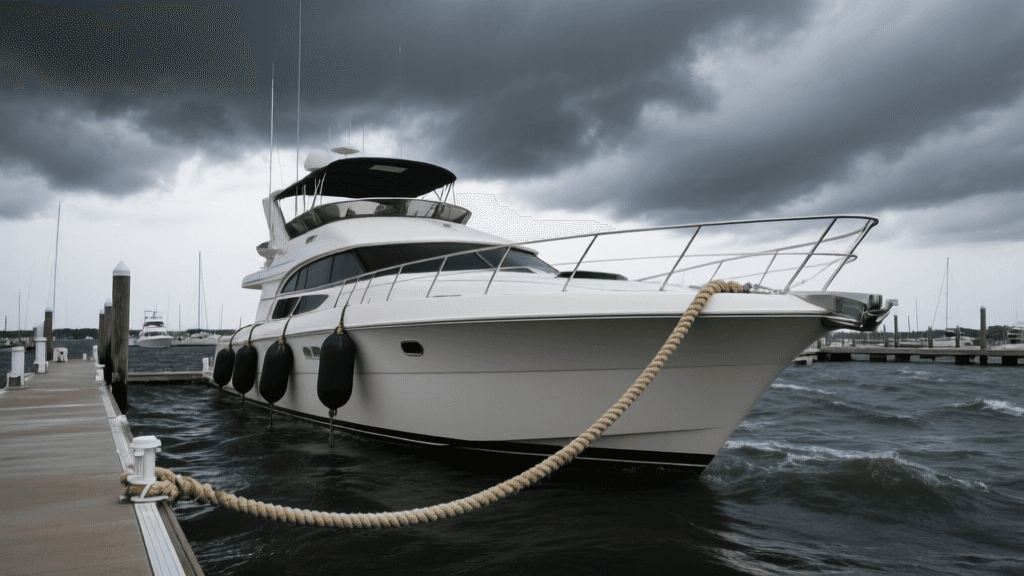
Comprehensive & Collision Boat Coverage on Long Island, NY
Preparing Boat Comprehensive Coverage for Long Island Storm Season
Long Island boat owners can reduce storm-season losses by preparing their vessels, choosing secure storage, and keeping ...
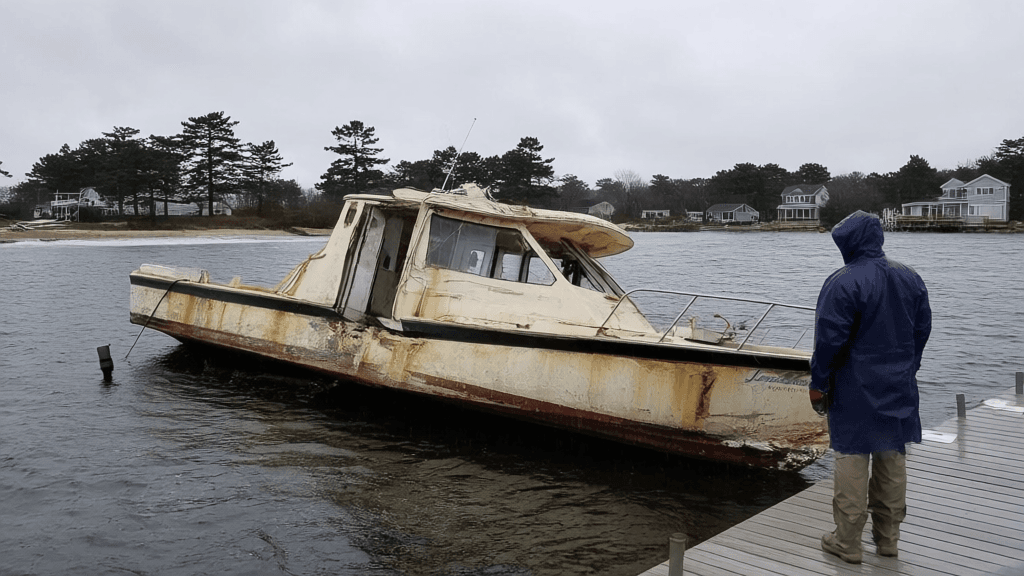
Comprehensive & Collision Boat Coverage on Long Island, NY
Filing a Boat Comprehensive or Collision Claim on Long Island
This guide explains how to handle comprehensive and collision boat insurance claims, from documenting damage and protect...