Why a Marine Survey Matters for Long Island Hull Coverage
A marine survey can influence whether a boat qualifies for hull coverage, what conditions apply, and what value an insurer is willing to insure. On Long Island, where owners may keep boats in the water, at a marina, or on a trailer between outings, a clear picture of the vessel’s condition helps make coverage discussions more straightforward. Insurers do not all use identical rules, and a survey is not an automatic approval. It is one source of information used to understand the boat’s age, construction, equipment, maintenance, and potential repair needs. This checklist explains what to expect and how to prepare.
When an Insurer May Request a Survey
An insurer may request a marine survey when a boat is older, has a substantial insured value, is new to the policy, or has a limited maintenance or ownership history. A survey can also come up during renewal if the insurer needs updated information about the vessel’s condition. The request may specify a recent survey, a particular inspection scope, or repairs that must be completed by a deadline. Requirements can differ based on boat type, construction, engine, use, storage, and insurer guidelines. Before hiring a surveyor, ask what qualifications, report format, and inspection areas are acceptable so the completed work meets the request.
What a Surveyor Commonly Examines
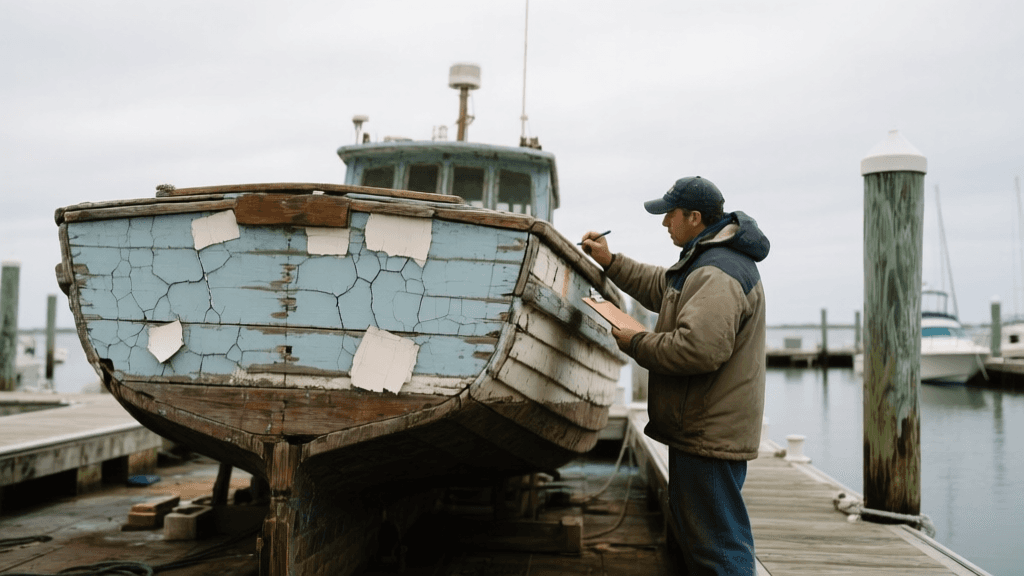
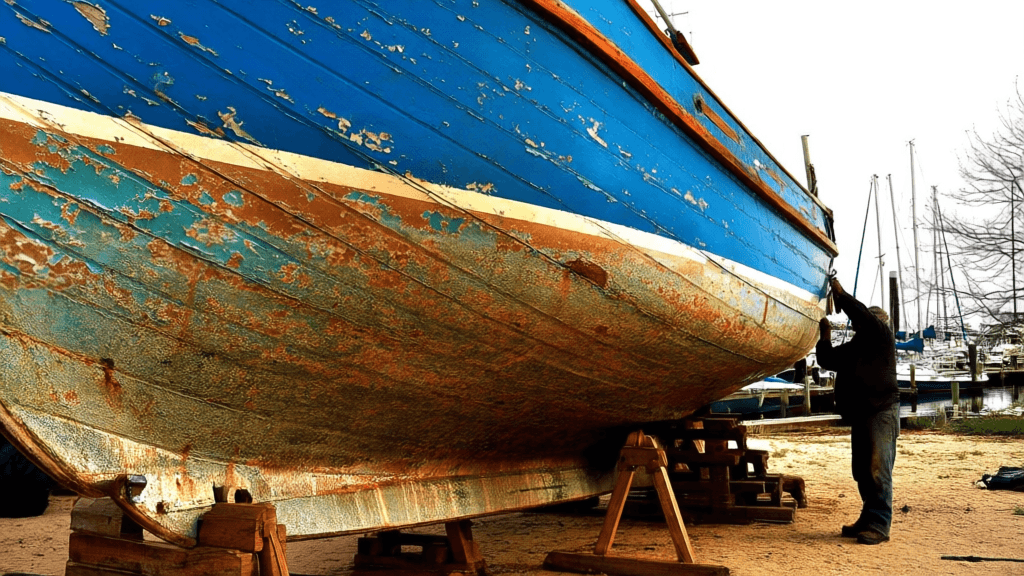
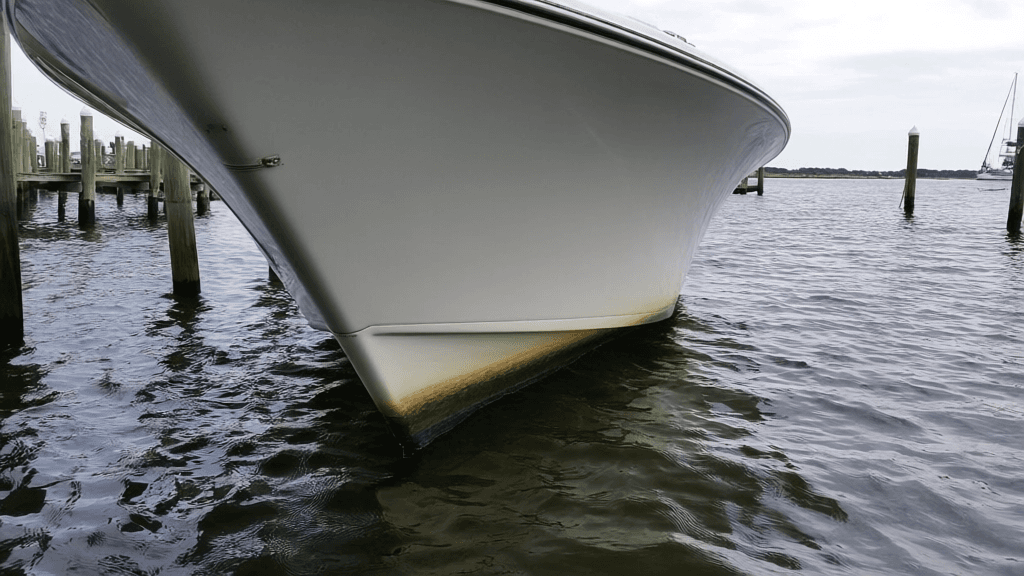
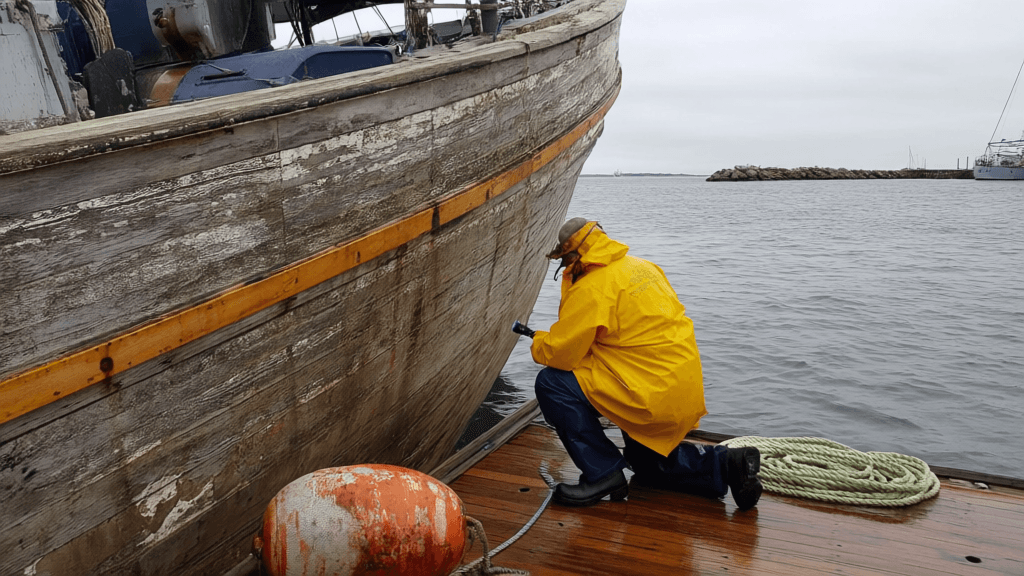
A marine surveyor commonly evaluates the hull and deck for visible damage, deterioration, prior repairs, or signs of water intrusion. The inspection may include the engine and mechanical systems, steering, electrical installation, fuel system, bilge pumps, safety equipment, and through-hull fittings. Depending on the survey’s scope, the surveyor may inspect accessible spaces, review equipment operation, and document the boat’s identification and configuration. A valuation may also be included, but the purpose and detail vary by assignment. Ask what is included before the appointment; a condition survey, valuation, and specialized engine assessment are not necessarily the same service.
Hull Condition, Repairs, and Survey Findings
Survey findings often separate immediate concerns from routine maintenance recommendations. A soft area in a deck, damaged wiring, a fuel-system concern, or a questionable prior repair may require closer attention than cosmetic wear. For example, an owner keeping a boat near Huntington might receive a recommendation to repair a fitting before the next season, while another survey could note only maintenance items to monitor. The insurer decides how findings affect eligibility and policy terms; possible outcomes include requesting repairs, asking for proof of completion, limiting certain coverage, or declining the risk. Request a written explanation of any required work and confirm how the insurer wants evidence submitted.
Records to Gather Before the Appointment
A little preparation can make the inspection more efficient and help the surveyor understand the boat’s history. Gather the title or registration, prior survey reports, purchase documents, maintenance records, repair invoices, equipment manuals, and receipts for recent upgrades. If the boat has had a significant repair, keep details about the work and the service provider. Make sure the vessel is accessible, compartments can be opened, and the battery and systems are available for inspection when appropriate. Do not conceal damage or guess about a repair’s history; note what is known and identify anything uncertain. Accurate records are more useful than a polished but incomplete account.
How to Review the Report and Follow Up
Read the report carefully rather than focusing only on its overall conclusion. Check that the boat’s identifying details, equipment, and stated condition are accurate, then note recommendations that could affect safety or insurance requirements. If a finding seems unclear, ask the surveyor to explain its basis and whether further testing is advisable. For repairs, obtain written estimates and keep dated photographs, invoices, and service records. Send only the documentation requested by the insurer and ask for confirmation that it has been received and reviewed. A survey is a snapshot of condition, not a promise that every issue has been discovered or that a future claim will be covered.
Long Island Considerations for Boat Owners
Long Island boat owners may use vessels in different settings, from sheltered marinas and bays to more exposed coastal waters, and storage arrangements can change between seasons. The survey should accurately describe the boat’s usual use, location, winter storage, and any recent changes in equipment or ownership. Owners around Plainview, Hicksville, Bethpage, Syosset, and Woodbury may keep boats elsewhere on the Island, so give the insurer the actual storage and navigation details rather than relying on a mailing address. Owners in Huntington, Massapequa, Wantagh, or nearby communities should likewise clarify how and where the vessel is operated. Those details can matter to underwriting and should match the application.
A Practical Hull Survey Checklist
- Ask the insurer whether a survey is required, what scope it expects, and how recent the report must be before booking.
- Confirm the surveyor’s credentials and whether the requested report includes condition findings, valuation, or both.
- Gather registration, prior surveys, maintenance history, repair invoices, and documentation for upgrades.
- Make the boat and accessible systems ready for inspection, and provide honest details about known damage or prior repairs.
- Review recommendations, arrange qualified repairs when required, and retain dated proof of completed work.
- Ask the insurer to explain any resulting restrictions, conditions, or deadlines in writing before relying on the policy.

Next Steps Before Requesting Hull Coverage
If you are arranging new coverage or approaching renewal, start by asking what information the insurer needs and whether a survey is necessary for your particular boat. Compare the requested coverage, deductible, agreed-value or actual-cash-value approach, navigation limits, and any survey-related conditions; do not assume that a survey requirement means policies are otherwise equivalent. If repairs are requested, get clear deadlines and confirm what proof will satisfy the insurer. Keep a copy of the final report with your vessel records, and revisit the information when the boat’s condition, equipment, storage, or use changes. Careful preparation helps Long Island owners make informed decisions without treating the survey as a guarantee of coverage.
Get Ready for Your Boat Insurance Review
Gather your boat records and ask insurers which survey details and hull coverage terms apply to your vessel.
Get a Free Quote