Why the Difference Matters for Long Island Boat Owners
A boat can face very different risks depending on whether it is tied up at a marina, stored on a trailer, or moving through Long Island’s crowded summer waterways. Comprehensive and collision coverage are often discussed together because both can help address physical damage to a boat, but they generally apply to different causes. Collision commonly concerns impact with another boat or object, while comprehensive commonly concerns certain non-collision losses, such as theft or covered storm damage. Exact definitions, exclusions, deductibles, and limits depend on the policy. Understanding the distinction can help owners in Long Island, NY, ask focused questions before launching or arranging seasonal storage.
What Comprehensive Coverage Commonly Addresses
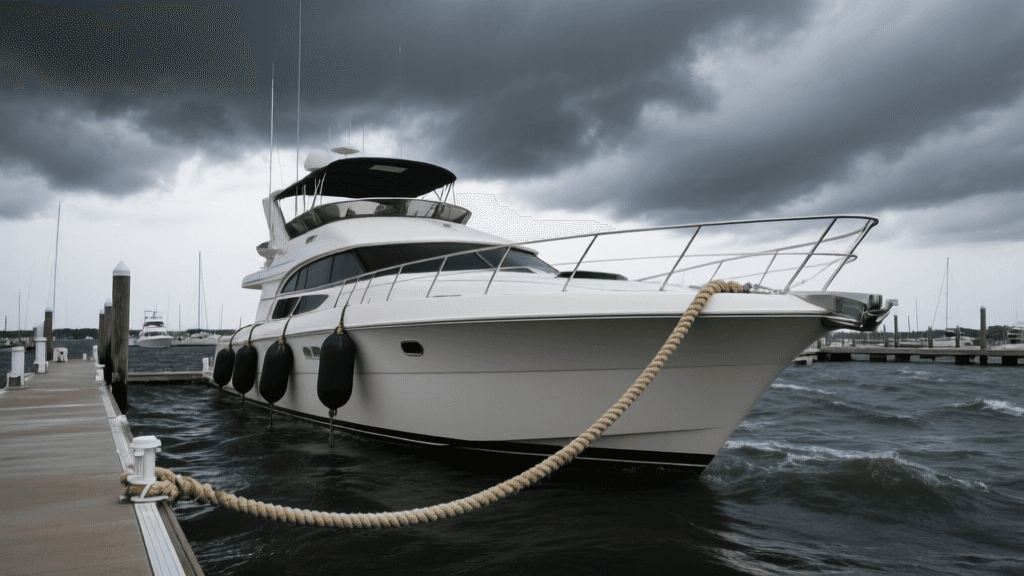
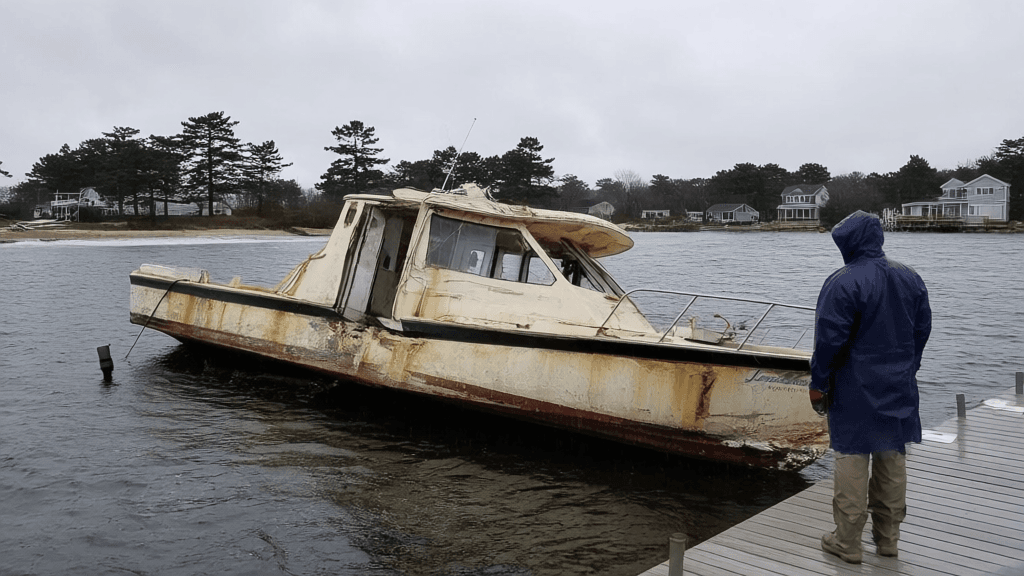
Comprehensive coverage generally refers to damage or loss from causes other than a collision, subject to the policy terms. Depending on the contract, examples may include theft, vandalism, fire, or damage from certain weather events while a boat is moored or stored. Imagine a strong coastal storm produces debris that damages a boat at its slip; whether the damage qualifies depends on the policy’s covered causes, conditions, and exclusions. Comprehensive coverage is not a blanket promise that every weather-related loss will be paid. Owners should check how the policy treats named storms, hurricanes, flooding, unattended boats, protective measures, and equipment kept aboard.
What Collision Coverage Commonly Addresses
Collision coverage generally applies when the insured boat is damaged by impact with another vessel or an object, subject to the policy’s wording and deductible. A collision could involve a boat striking a piling while maneuvering into a slip, hitting a fixed obstruction, or making contact with another vessel in a congested channel. The cause and circumstances matter: a claim involving an impact may be handled differently from damage caused by wind, theft, or gradual wear. Owners should ask whether coverage applies while the boat is underway, being launched, or handled on a trailer, and whether any separate limitations apply to particular uses or locations.
Storm Damage and Theft: Questions for Comprehensive Coverage
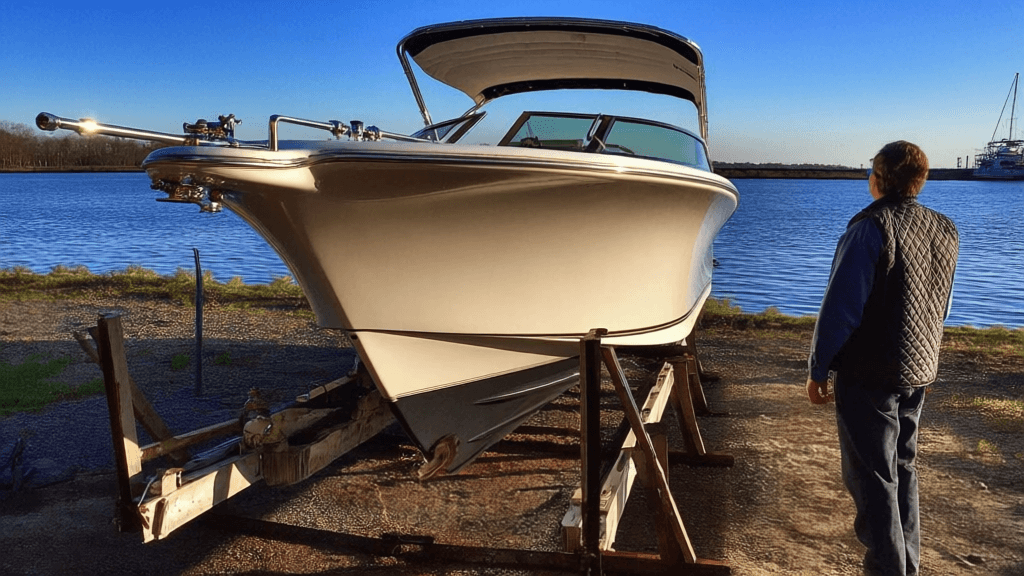
For Long Island boaters, storm preparation and theft prevention are practical parts of understanding comprehensive coverage. Before a forecast storm, owners may need to follow policy requirements for securing lines, removing loose gear, arranging haul-out, or relocating a vessel. A claim can be affected by whether required precautions were taken, so the policy and any endorsements deserve careful reading. Theft protection also involves more than the boat itself: ask how the contract treats an outboard motor, electronics, personal belongings, and a trailer, since each may have separate limits or conditions. Keep an updated inventory with photos, serial numbers, and purchase records to make it easier to document what was aboard.
Dock Impacts and Accidents on Busy Waterways
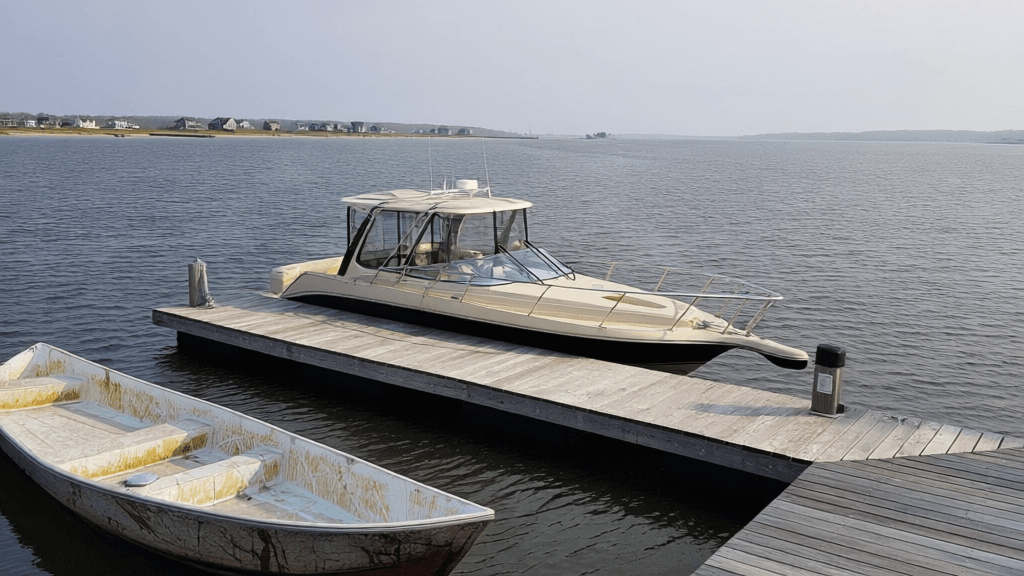
A collision claim can begin with an ordinary maneuver that goes wrong. A gust pushes a boat toward a dock, a wake changes its path near a marina entrance, or another vessel makes contact in a busy passage. Long Island’s boating season brings more traffic around harbors, marinas, and popular routes, so slow-speed impacts are worth considering when comparing deductibles and limits. Photograph damage and the scene when it is safe, exchange information with other operators, and record witness details. Promptly follow the insurer’s reporting instructions. Collision coverage for the insured boat is separate from liability coverage, which may address damage or injuries the operator causes to others.
How to Compare Deductibles, Limits, and Exclusions
The coverage label alone does not show how much protection a policy provides. Compare the insured value and valuation method, the comprehensive and collision deductibles, and any sublimits for motors, electronics, or personal effects. A lower premium may come with a higher deductible or restrictions that matter to a particular boat and its storage arrangement. Ask whether the policy uses agreed value or another settlement method, and how depreciation or partial damage is handled. Also review exclusions and requirements involving wear and tear, mechanical breakdown, freezing, racing, navigation areas, and storm precautions. These details can determine whether a specific loss is covered and how much an owner may need to pay out of pocket.
Local Considerations Across Long Island
Long Island boat owners may keep vessels in different settings, from a marina slip to a driveway trailer, and those arrangements can change which questions deserve attention. A Huntington-area marina user might focus on dock impacts and seasonal storm procedures, while an owner storing a boat near Plainview, Hicksville, Bethpage, or Farmingdale may want to clarify theft protections and coverage during trailering or storage. Boaters around Wantagh, Massapequa, and other south shore communities may also want to review how the policy defines navigable waters and any geographic restrictions. These are prompts for reviewing an individual contract, not assumptions that one policy rule applies across every community or harbor.
A Practical Review Checklist
Questions to Ask About Your Boat Policy
- Confirm which losses fall under comprehensive and which qualify as collision, using the policy definitions rather than relying on the coverage names alone.
- Compare each deductible with the boat’s value and the amount you could reasonably pay after a covered loss.
- Check coverage for the hull, motor, electronics, trailer, and personal belongings separately, including any sublimits.
- Ask about storm preparation duties, theft safeguards, storage conditions, and any restrictions on where or how the boat may be used.
- Review liability coverage separately because damage to your own boat and damage or injury caused to others are different exposures.

Next Steps Before the Next Outing
Gather your current declarations page, full policy wording, boat details, and a recent equipment inventory before comparing options. Note where the vessel is stored, how it is transported, its typical routes, and any recent upgrades; these details help make coverage discussions more precise. Ask for examples of how the policy would treat a theft, storm-related loss, dock impact, and accident with another boat, then confirm the relevant deductible, limit, and exclusion in writing. If a term is unclear, request a plain-language explanation before relying on it. A careful review can help Long Island owners understand the difference between comprehensive and collision coverage and identify questions to resolve before the boat leaves the dock.
Review Your Boat Coverage Before You Launch
Compare policy definitions, deductibles, and exclusions so you can make an informed decision about protection for your boat.
Get a Free Quote