Why Boat Trailer Security Matters on Long Island
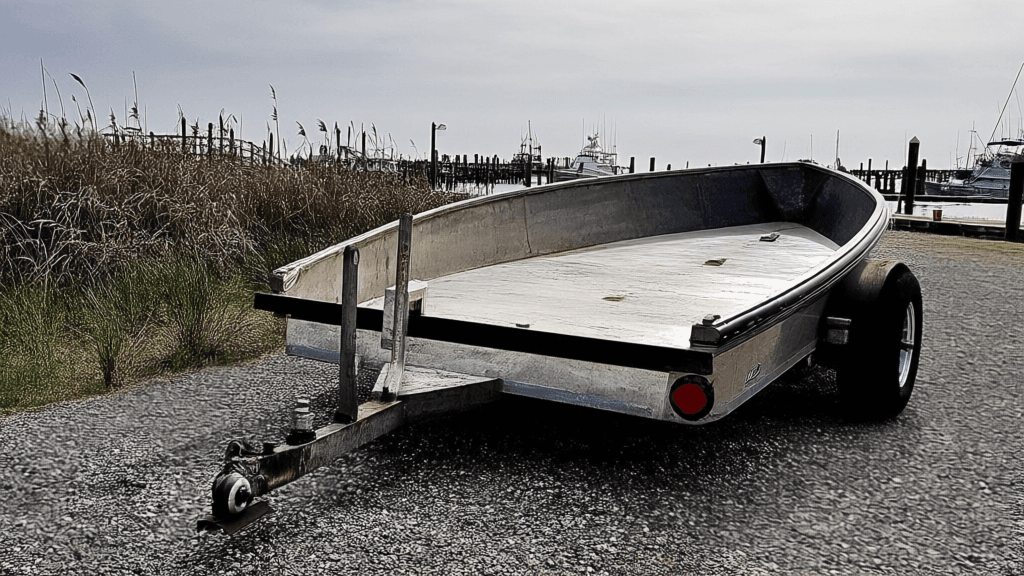
A boat trailer can be easier to move and harder to identify than the boat it carries, making it an appealing target when left unattended. On Long Island, owners may shift trailers between a home driveway, a marina, and seasonal storage, and each location brings different security concerns. A trailer parked near a street in Plainview or Hicksville may be visible to passersby, while one left at a marina can sit unused between outings. Theft prevention starts with understanding where and how the trailer is exposed. This guide explains practical ways to make a trailer harder to take, preserve identifying information, and check whether insurance responds to a trailer theft.
How Parking Location Changes the Risk
The safest parking plan is not identical for every owner. At home, a garage or fenced area can limit access, but many Long Island driveways do not have room to conceal a trailer. At a marina, the trailer may be in a shared lot with regular activity, yet parked there for long stretches outside boating trips. A commercial storage facility may have controlled entry, but owners should ask how access is monitored and whether the lot is lit and routinely checked. In communities such as Bethpage, Syosset, and Woodbury, consider how close the trailer sits to the road and whether a vehicle could quickly hitch it. Evaluate the exact parking spot, not just the type of property.
Use More Than One Physical Security Measure
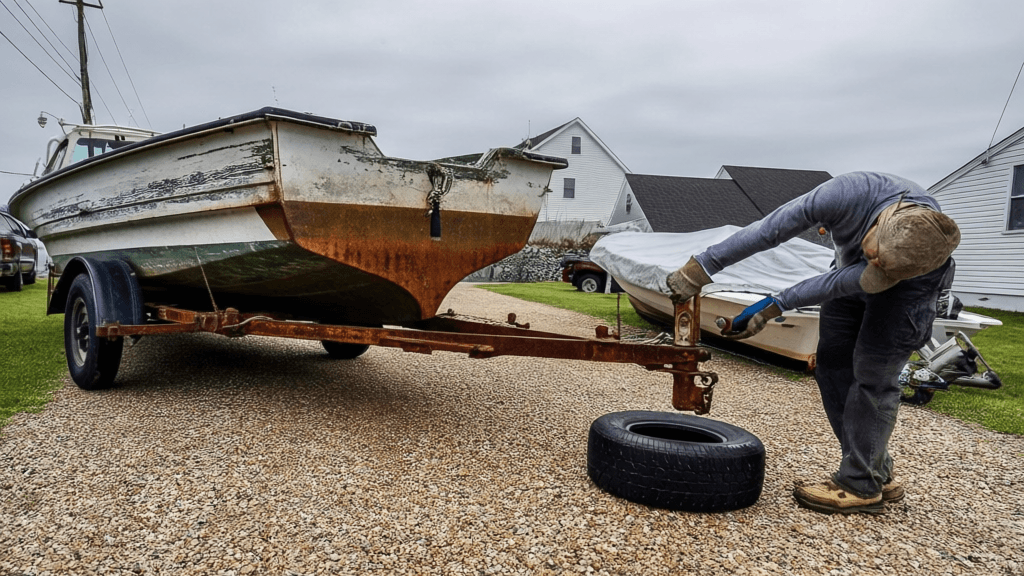
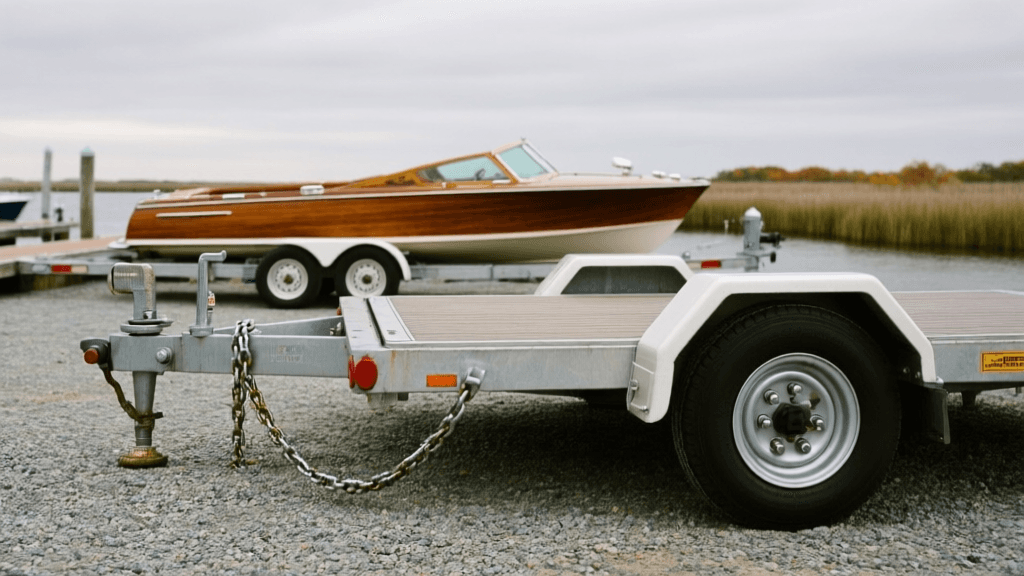
A layered approach can slow a thief down and make the trailer less convenient to take. A coupler or hitch lock prevents a standard hitch from connecting easily, while a wheel clamp or boot makes rolling the trailer difficult. For a trailer stored for a long period, consider positioning it so another vehicle or a fixed barrier blocks the hitch, while keeping emergency access and property rules in mind. Remove or secure the trailer jack handle and avoid leaving a tow vehicle parked nearby with its keys accessible. Locks are deterrents rather than guarantees, so combine them and check that each device fits the trailer and is in working condition.
Make the Trailer Easier to Identify
Clear records can help establish ownership and support a theft report or insurance claim. Keep the bill of sale, registration, title documents when applicable, and receipts for upgrades in a secure place. Photograph the complete trailer from several angles and capture close-ups of the vehicle identification number, license plate, manufacturer labels, and distinctive features. Record the make, model, year, color, and any custom equipment. New York registration and identification requirements can depend on the trailer and its use, so verify current requirements with the appropriate state motor vehicle authority rather than relying on assumptions. Keep a copy of key records separately from the trailer in case documents are stolen with it.
Check What Your Insurance Policy Actually Covers
Do not assume that coverage for a boat automatically means the trailer has the same protection. Trailer coverage may be addressed separately, subject to a limit, or affected by whether the trailer is attached to the boat or tow vehicle when a loss happens. Review the declarations page and policy wording for theft coverage, deductibles, valuation rules, exclusions, and any requirements for locking or storage. Ask the insurer to explain how the policy treats a trailer kept at home, at a marina, or in a storage facility. If the trailer has costly upgrades, confirm whether those additions are included and what proof of value would be needed. Get clarifications in writing when possible.
Prepare for Seasonal Storage and Long Periods Between Trips
A trailer that sits unused during colder months deserves a deliberate storage plan. Before leaving it, inspect the locks, tires, hitch, and registration details, then photograph its condition and location. Ask a storage operator whether access is restricted, how the site handles after-hours entry, and whether there are specific rules for wheel locks or covers. At a marina, confirm who can enter the lot and whether the trailer must be moved for maintenance or operations. Owners in Levittown, Farmingdale, and Melville may use different arrangements depending on driveway space and boating routines. Put the storage location and contact information in your records, and revisit the setup if the trailer is moved.
Long Island Details to Consider Before You Park
Long Island’s busy roads, compact residential lots, and seasonal boating activity can make trailer parking a practical challenge. A trailer kept in Huntington or Wantagh may be closer to a launch route, while owners in Massapequa or Jericho may have limited space at home and depend more on off-site storage. Whichever community you are in, avoid leaving a trailer where it obstructs a sidewalk, blocks visibility, or violates local parking rules. Ask a marina or storage provider about its written security practices and responsibility for customer property. Take extra care when a trailer is parked for several days before or after a trip, when owners may be less likely to check on it.
A Practical Trailer Theft-Prevention Checklist
Steps to Take Before the Next Outing
- Use a fitted hitch lock and wheel clamp, and check that both are engaged whenever the trailer is unattended.
- Store ownership documents, registration details, photographs, and upgrade receipts in a secure location separate from the trailer.
- Review the policy for trailer-specific theft coverage, limits, deductibles, storage conditions, and valuation terms.
- Ask marina or storage staff how access is controlled and what security measures apply to parked trailers.
- Record the trailer identification number and distinctive features so they can be provided promptly if it goes missing.

What to Do If Your Trailer Is Stolen
If a trailer disappears, report the theft promptly to local law enforcement and provide its identification number, registration details, photographs, and last known location. Contact the marina or storage operator if the trailer was kept there, and preserve any relevant messages or access information. Notify the insurer as soon as practical and ask what documents are needed to open a claim. Avoid altering or discarding records connected to the loss, including purchase paperwork and receipts for equipment. If the trailer is later found, coordinate with law enforcement and the insurer before arranging repairs or moving it. Prompt, organized reporting can reduce delays and help establish the trailer’s identity and condition.
Review Your Setup Before the Next Boating Season
The most useful time to address trailer security is before it is parked for a long stretch, not after a theft. Walk through where the trailer will stay, whether a thief could hitch it quickly, and which locks or barriers fit the location. Then compare that plan with the policy wording and confirm that the trailer’s value, equipment, and storage arrangement are represented accurately. Long Island boat owners can use the same review whether their trailer stays at home in Plainview, at a marina near the water, or in a storage lot serving several communities. Recheck the plan when the trailer changes locations or when its value or equipment changes.
Check Your Trailer’s Security and Coverage
Compare your storage precautions with your policy terms and ask your insurer to clarify any gaps before your next trip.
Get a Free Quote