Start With Safety After a Trailer Accident
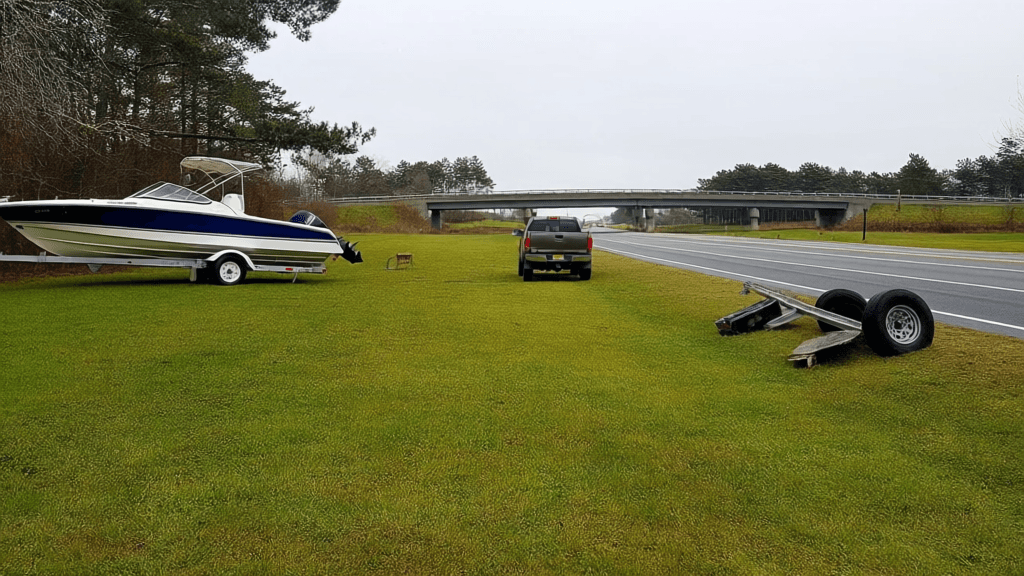
A boat trailer accident can happen while backing down a ramp, turning onto a busy road, or towing along a highway. On Long Island, traffic, narrow residential streets, and crowded marina access roads can make an incident especially stressful. First, check for injuries and call 911 if anyone needs emergency care or the scene creates a traffic hazard. Move people to a safe location away from traffic when possible, and do not attempt to move a damaged trailer if it appears unstable. Turn on hazard lights and follow directions from emergency responders. Once everyone is safe, you can begin preserving information without putting yourself or others at risk.
Why Careful Documentation Matters
A trailer incident may affect more than one asset: the towing vehicle, trailer, boat, hitch, or another person’s property. Clear records can help an insurer understand what happened and distinguish pre-existing wear from new damage. Note the time, exact location, direction of travel, weather, road conditions, and what you remember about the sequence of events. Long Island conditions can vary from a congested intersection near Hicksville to a marina approach in Huntington, so precise location details are useful. Keep your account factual and avoid guessing about speed, fault, or mechanical causes before the evidence has been reviewed.
Photograph the Scene and the Equipment
When it is safe, take photographs from several distances. Capture the overall scene, vehicle and trailer positions, roadway or parking layout, visible damage, hitch and coupler, safety chains, tires, lights, and any damaged boat components. Photograph the other vehicle and property involved, but do not obstruct responders or enter traffic to get a better angle. If the trailer is moved for safety, make a note of its original position. Save images with their original timestamps and back them up. A short written description of what each image shows can be helpful later, especially if damage is difficult to see or the boat and trailer are separated for inspection.
Exchange Information and Identify Witnesses
Exchange contact and insurance information with the other driver, and record vehicle, trailer, and registration details when available. Ask witnesses for their names and a reliable way to reach them; independent observations may clarify how the collision occurred. Keep the conversation calm and practical. Avoid arguing about fault or making promises to pay, since the cause may depend on facts that are not obvious at the roadside. If police respond, ask how to obtain the incident report or any reference number. In a minor collision where officers do not attend, write down the details while they are fresh and check current New York reporting requirements based on the circumstances.
Report the Incident and Ask About Possible Coverage
Notify the relevant insurer or insurers promptly and follow the reporting instructions in the policies. Which policy may apply depends on the facts, the property damaged, who owns it, and the coverage terms. Auto liability coverage may be relevant to damage or injury involving the towing vehicle, while boat or trailer coverage may address certain damage to insured property; coverage is not automatic, and exclusions, deductibles, and limits matter. Explain what happened accurately, share photographs and the report number, and ask what documentation is needed before repairs begin. Keep claim notes, dates, names, and copies of messages together so details do not get lost between calls.
Understand Liability Without Jumping to Conclusions
Liability questions can involve driver behavior, road conditions, trailer loading, equipment condition, and the way the boat was secured. A trailer that sways or separates does not, by itself, establish why the event occurred. Preserve maintenance records, recent repair invoices, weight and loading information, and details about the hitch or braking system. Do not discard damaged parts or authorize major repairs before checking whether an insurer needs to inspect them, unless an urgent safety repair is necessary. If several parties or substantial damage are involved, consider getting qualified legal advice about your particular situation. An insurer’s investigation and applicable New York rules determine how responsibility is assessed.
Long Island Roads and Marina Access Add Local Considerations
Long Island boaters may tow through dense suburban traffic in Plainview, Bethpage, Farmingdale, or Levittown, then encounter different conditions closer to a launch or marina in Wantagh, Massapequa, or Huntington. Congestion, tight turns, limited shoulder space, and crowded seasonal launch areas can affect how safely a damaged rig can be moved and where photographs can be taken. Choose a safe location before inspecting the trailer, and use roadside assistance or a qualified recovery service if the rig is not roadworthy. Before towing again, have the hitch, tires, lights, brakes, and frame checked as appropriate. A brief inspection can prevent a damaged component from creating another hazard.
Keep a Claim File and Track Repair Decisions
A simple claim file makes follow-up easier. Store the incident notes, scene photographs, witness contacts, police information, policy details, insurer correspondence, estimates, receipts, and inspection findings in one place. Ask the claims representative how to handle towing, storage, inspections, and repair approvals before incurring significant expenses, unless immediate action is needed to protect people or property. Keep receipts for reasonable emergency costs and ask whether they should be submitted. If an estimate changes after a repair shop finds hidden damage, document the new findings and notify the insurer. Do not assume every expense or damaged item is covered; request a clear explanation of applicable policy terms and next steps.
Key Takeaways for Boat Trailer Accident Claims
Practical Steps to Remember
- Prioritize injuries and scene safety before inspecting a boat, trailer, or vehicle.
- Record the location, conditions, sequence of events, and incident reference number while details are fresh.
- Photograph the scene and equipment from safe positions, and preserve original image files.
- Exchange information calmly, collect witness contacts, and avoid speculating about fault.
- Notify the relevant insurer promptly and ask about inspections, repairs, towing, and required documents.
- Keep damaged parts and repair records available until the insurer confirms what evidence is needed.

Plan Your Next Steps
After the immediate response, review the policies that may relate to the towing vehicle, boat, and trailer, and confirm whom to contact for each claim. Ask direct questions about deductibles, liability limits, physical damage coverage, exclusions, inspection timing, and whether repairs need prior approval. Coverage varies by insurer and policy, so written answers are more useful than assumptions. If you are still comparing protection for future trips, gather details about the boat, trailer, towing vehicle, typical routes, storage, and who operates the rig. Those facts help when discussing suitable options with a licensed insurance professional. Before returning to the road, confirm that repairs are complete and the trailer is safe to tow.
Review Your Boat and Trailer Protection
Compare your policy details and ask a licensed insurance professional how your coverage may apply to a towing accident.
Get a Free Quote