Why Boat Trailer Coverage Deserves a Separate Look
A boat trailer can seem like a simple add-on to a towing vehicle, but an accident, theft, or breakdown can create costs that a standard auto policy may not handle the way an owner expects. On Long Island, trailers make regular trips between home, storage, marinas, and launches, sometimes on busy roads where a damaged tire or loose connection can quickly become a safety issue. The key question is not simply whether the trailer is mentioned on an auto policy. It is what that policy covers, when it applies, and what limits or exclusions matter. This guide outlines practical questions to ask before towing.
How Auto Insurance May Apply to a Trailer
Many auto policies extend some liability coverage to a trailer while it is attached to an insured vehicle, but policy language and state requirements determine the details. Liability generally addresses injuries or damage the insured driver causes to others; it does not automatically pay to repair the trailer or boat. Coverage may also change when the trailer is detached, parked, stored, or being moved by another vehicle. New York’s insurance rules and an individual policy’s definitions both matter, so avoid relying on assumptions based on how a friend’s policy works. Ask the insurer to explain in writing when the trailer is treated as part of the towing vehicle and when it needs its own coverage.
Liability Is Different From Damage to Your Own Trailer
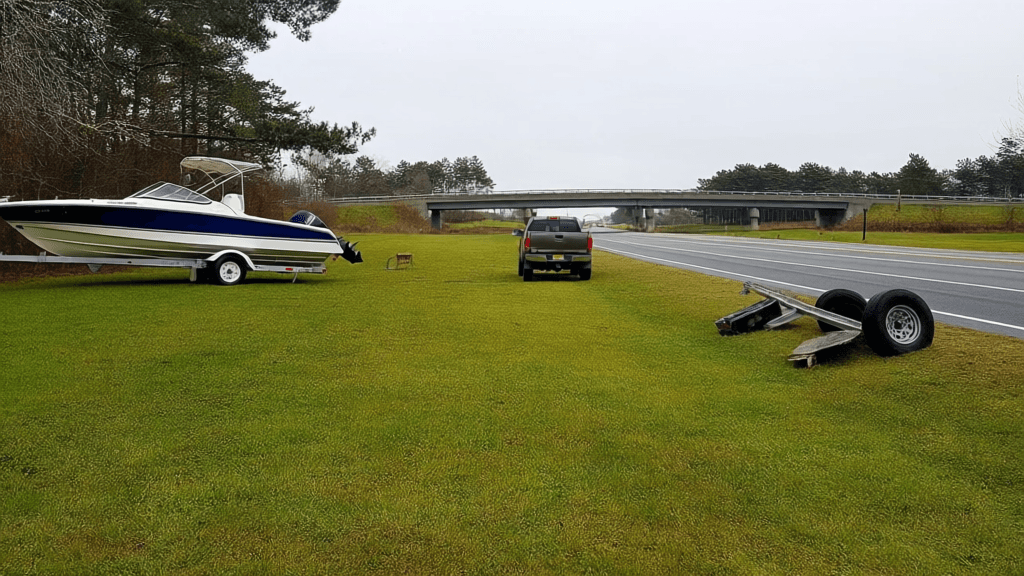
Liability coverage is designed for covered claims involving other people or their property, subject to policy terms and limits. Physical damage coverage, by contrast, may help repair or replace the insured trailer after a covered event, such as a collision, theft, fire, or vandalism, depending on the contract. These are separate questions, even when a trailer is listed on an auto policy. For example, if a trailer jackknifes during a trip from Hicksville to a launch and damages another vehicle, liability may be relevant; if the trailer itself is bent in that incident, physical damage coverage is the issue to verify. Ask about deductibles, valuation, and exclusions for both.
When Separate Boat Trailer Coverage May Be Worth Considering
Separate coverage may be worth discussing when the trailer has meaningful replacement value, carries specialized equipment, or spends time parked away from the towing vehicle. Owners should ask whether a policy can cover theft, collision, fire, weather-related damage, and damage while the trailer is detached. Also clarify whether the boat itself is insured under a separate boat policy and how the trailer is treated when the boat is on it. A trailer stored in Farmingdale or at a marina near Huntington may face different practical exposures than one kept in a locked garage, although the policy—not the location alone—sets the covered events. Compare limits and deductibles with the actual trailer value.
Questions About Towing, Storage, and Roadside Help
Towing assistance is not always the same as coverage for a trailer, and roadside benefits can have restrictions on what they will move or where they will take a disabled rig. Ask whether assistance applies when the trailer has a flat tire, bearing failure, or hitch problem, and whether the service can handle the combined size and weight of the vehicle, trailer, and boat. Confirm whether coverage follows the vehicle, the trailer, or the policyholder, and whether a provider can reach the location. Owners traveling between Bethpage, Wantagh, and a coastal launch should also keep the trailer’s load rating, tire condition, lights, safety chains, and hitch setup in good order; insurance does not replace safe maintenance.
Long Island Considerations for Local Boat Owners
Long Island owners may tow through dense suburban traffic, along parkways with vehicle restrictions, and on local roads leading to bays, harbors, and marinas. Route rules are important: some parkways restrict commercial vehicles or certain vehicle types, and a trailer combination should be checked against current posted restrictions before travel. Seasonal use can also mean a trailer sits unused for months, making storage conditions and theft protection worth discussing at renewal. Whether the boat is kept near Massapequa, launched from the North Shore, or stored in Woodbury, tell the insurer how often and where the trailer is used. Accurate details help clarify garaging, usage, and any policy conditions that could affect a claim.
A Practical Coverage Review Checklist
Questions to Ask the Insurer
- Does the auto policy provide liability coverage while the trailer is attached, and what changes when it is detached?
- Is the trailer itself covered for collision, theft, fire, or other physical damage, and what deductibles and limits apply?
- How is the trailer valued after a covered loss, and are accessories or custom parts included?
- Does roadside assistance cover a trailer breakdown, and are there size, weight, distance, or service-provider restrictions?
- Does the boat policy include the trailer, or should trailer coverage be arranged separately?
- Are there requirements for storage, locks, safe towing equipment, or notifying the insurer when the trailer changes?

What to Do Before Your Next Launch
Gather the trailer’s year, make, model, identification details, purchase price, and any receipts for upgrades before contacting an insurer. Describe how it is stored, how often it is towed, the vehicles that may tow it, and whether it carries equipment beyond the boat. Then request a clear explanation of liability, physical damage, deductibles, detached-trailer protection, and roadside assistance. If you have policies for both the towing vehicle and boat, review them together so the trailer’s status is not left to assumption. Owners in Long Island communities such as Plainview, Syosset, Levittown, and Melville can use the same checklist when comparing options. Revisit the details after buying a different trailer or changing storage arrangements.
Review Your Trailer Coverage Before Towing
Compare your policy documents and ask an insurer to explain how liability, physical damage, and towing assistance apply to your boat trailer.
Get a Free Quote