Why Trailer Maintenance Matters for Long Island Boaters
A trailer problem can turn a short trip to a Long Island launch ramp into a roadside delay, damaged boat, or insurance question. Tires, bearings, lights, and brakes all face stress from repeated hauling, salt air, changing temperatures, and long periods in storage. A breakdown does not automatically mean a claim will be denied, but unclear maintenance history can make it harder to establish what happened and when. This guide explains practical checks and records that can help you manage risks while towing between home, marinas, and launch sites around Long Island.
Local Conditions Can Put Extra Strain on a Trailer
Long Island boaters may tow along busy roads, coastal routes, and local streets before reaching a marina or ramp. Salt spray and damp storage can accelerate corrosion on metal components and electrical connections, while a trailer that sits unused between outings may develop tire or bearing problems without obvious warning. Stop-and-go traffic can also increase heat and braking demands. Before the boating season, and again after extended storage, inspect the trailer rather than assuming it is ready because it was used last year. A brief check before each trip can catch visible problems before the boat is on the road.
Check Tires, Wheels, and Bearings Before Towing
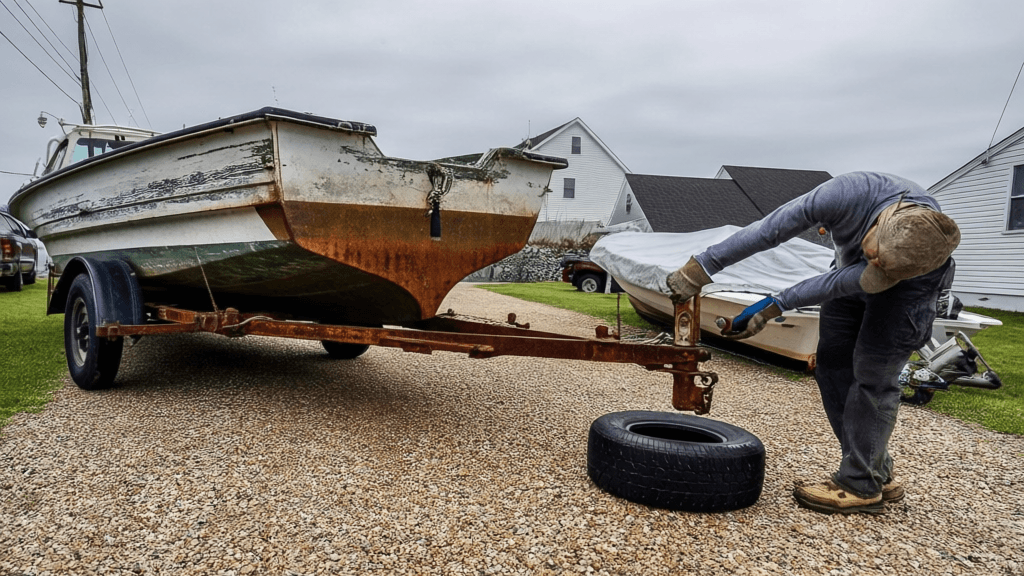
Look for cracks, bulges, uneven tread wear, embedded objects, and signs of dry rot on every tire, including the spare. Check tire pressure when the tires are cold and follow the pressure information on the tire or trailer guidance, not a guess based on appearance. Confirm that lug nuts are secure and that the wheels show no unusual wobble or damage. Bearings deserve particular attention because heat, water intrusion, or inadequate lubrication can lead to failure. Follow the trailer or bearing manufacturer’s service schedule, and have a qualified technician investigate grinding sounds, excessive play, or a hub that becomes unusually hot. Do not tow if a tire or wheel assembly appears unsafe.
Test Lights, Wiring, and Brakes
Ask another person to confirm that running lights, brake lights, and turn signals work while the trailer is connected to the towing vehicle. Inspect plugs, wiring, and ground connections for corrosion, loose fittings, or damaged insulation. A light that works intermittently may fail after vibration or exposure to water, so repair the underlying connection instead of relying on a temporary workaround. If the trailer has brakes, check the system according to the manufacturer’s instructions and applicable requirements. Pay attention to unusual pulling, noise, or changes in stopping behavior. A pre-trip test in a safe area can reveal issues that are easy to miss in the driveway.
Secure the Boat and Inspect the Hitch
A road-ready trailer also depends on the connection between the vehicle and boat. Confirm that the coupler fits the hitch ball, the latch is locked, and safety chains are crossed beneath the coupler and attached securely. Check that the winch strap, transom straps, and other tie-downs are in good condition and properly tightened. Make sure the load is balanced and that the boat sits correctly on its supports. Recheck straps after driving a short distance, because settling and vibration can loosen them. Before leaving a marina or storage area, verify that the trailer’s registration and required equipment are in order for the trip.
Keep Maintenance Records That Tell a Clear Story
Good records can help explain the trailer’s condition if damage, theft, or a roadside incident leads to an insurance claim. Save dated receipts for tire replacements, bearing service, brake repairs, and electrical work. Keep inspection notes that identify the date, mileage if available, and any repairs made; photographs can document tire condition, lights, or a repaired component. Store digital copies somewhere easy to retrieve, and make sure the trailer’s identification details are recorded separately. These records do not guarantee a particular coverage decision, but they may help distinguish routine wear, a sudden failure, and damage caused by an accident.
How Trailer Coverage and Claim Decisions Can Differ
Boat insurance does not always treat a boat and its trailer as one automatically covered item. Policies can differ in whether a trailer is included, how its value is determined, which causes of loss are covered, and what deductibles or exclusions apply. Liability for damage caused while towing may also depend on the policy wording and the circumstances of the incident. Review the declarations and ask the insurer to explain how the trailer is listed, whether accessories are included, and what documentation may be needed after a loss. Maintenance records support the facts, but policy language and the cause of damage guide the coverage decision.
Long Island Routes and Seasonal Storage Considerations
Whether you tow from Plainview, Hicksville, Bethpage, Syosset, or Woodbury, the final stretch to a launch site can involve traffic, tight turns, and repeated braking. Boaters traveling from Jericho, Levittown, Farmingdale, Melville, Huntington, Massapequa, or Wantagh may also encounter different road and parking conditions depending on their destination. Saltwater use makes rinsing appropriate trailer components and checking for corrosion especially worthwhile, while winter storage calls for attention to tire pressure, support, and exposure to moisture. Local conditions vary by route and storage setup, so tailor checks to the trailer’s actual use rather than relying on a one-size-fits-all schedule.
A Simple Routine Before the Next Launch
Practical Trailer Checks
- Inspect all tires, including the spare, for damage and correct cold pressure before each trip.
- Test running lights, brake lights, turn signals, wiring connections, and trailer brakes before entering traffic.
- Check the hitch, coupler latch, safety chains, winch strap, and transom tie-downs for secure attachment.
- Follow the manufacturer’s maintenance schedule for bearings and brakes, and investigate unusual heat, noise, or wheel movement.
- Record inspections and repairs with dates, receipts, and clear photographs, then keep copies where they can be accessed after an incident.

Review Your Policy Before a Loss Happens
Before the next boating trip, confirm that your insurer has accurate information about the trailer and that you understand how it is insured. Ask whether the policy covers physical damage to the trailer, how a claim would be valued, and whether coverage changes while the trailer is detached, stored, or being towed. Keep the policy details, trailer identification, and maintenance records together. If a problem occurs, prioritize safety, document the scene when appropriate, and notify the insurer promptly using the policy’s claim instructions. Careful maintenance cannot prevent every breakdown, but it can reduce avoidable risks and give a clearer account of the trailer’s condition.
Make Your Next Tow Better Prepared
Review your trailer inspection routine and policy details before hauling your boat to a Long Island launch.
Get a Free Quote