

What Boat Trailer Coverage Is
Boat trailer coverage is insurance protection for the trailer itself, which is separate from coverage for the boat in many policies. Depending on the policy, it may help pay to repair or replace a covered trailer damaged by a collision, fire, theft, vandalism, or another listed cause. Coverage is subject to exclusions, valuation rules, limits, and the deductible you select, so confirm the actual policy wording rather than assuming every loss is insured. For Long Island boat owners, a trailer can be essential equipment for moving a boat between home, storage, repair facilities, and launch sites. Consider protection if you own a valuable trailer or rely on it throughout the boating season.
Why Trailer Coverage Matters on Long Island, NY
Long Island boaters may tow on busy local roads, park near marinas or launch areas, and store trailers at home or in seasonal facilities. Each setting brings different risks: a roadway collision can damage an axle or frame, while an unattended trailer may be exposed to theft or vandalism. Salt air and coastal conditions can also contribute to corrosion over time, although gradual wear and maintenance issues are generally different from sudden, covered damage. In communities such as Plainview, Hicksville, and Massapequa, a trailer may travel between residential streets and waterfront destinations, sometimes in heavy traffic. Coverage does not replace safe towing practices or maintenance, but it can help manage the financial impact of eligible unexpected losses.
What Trailer Coverage May Cover
A trailer policy or endorsement may provide physical damage protection for the trailer when a covered event occurs. Depending on the contract, examples can include damage from a traffic accident, fire, theft, or vandalism. Some policies may also address attached equipment or accessories, but items such as spare tires, custom fittings, and tie-downs may have separate limits or may not be included. Liability coverage is not automatically the same as physical damage coverage: in some situations, an auto policy may address liability arising from towing, while the trailer’s own coverage protects its value. Ask how the boat, trailer, and towing vehicle coordinate, whether coverage applies while parked or in transit, and what exclusions or documentation requirements apply.
Potential Benefits of Trailer Coverage
- Helps protect the trailer’s insured value from eligible sudden physical damage, subject to policy terms and deductible.
- May provide a financial safety net if a covered theft or vandalism loss occurs, with proof of ownership and a timely report often important.
- Can help clarify whether trailer protection is included in a boat policy, written separately, or available as an endorsement.
- Encourages a complete review of the boat, trailer, towing vehicle, accessories, and liability protections before the season begins.

Factors That Affect Trailer Insurance Rates
The price of trailer coverage depends on the trailer’s value, age, type, construction, and intended use, as well as the protection and deductible selected. A higher insured value or broader physical damage coverage can increase the premium, while a higher deductible may reduce it but means paying more out of pocket after a covered claim. Insurers may also consider where the trailer is kept, how often it is used, claims history, security measures, and whether it carries a boat or other equipment. Long Island rates are not one-size-fits-all, and insurers use their own rating rules. To compare costs fairly, provide consistent details and ask for the same limits, valuation basis, deductible, and optional protections in each quote.
How a Trailer Claim Usually Works
After a loss, first take reasonable steps to prevent further damage and make sure everyone is safe. For theft or suspected vandalism, contact local law enforcement and obtain a report number; for a road collision, exchange required information and document the scene when it is safe. Notify the insurer promptly using the claims instructions in your policy, then share photographs, the incident details, trailer identification information, purchase records, and any police report. The insurer may inspect the trailer, request repair estimates, and determine whether the event and amount are covered under the contract. Keep receipts for emergency work and do not authorize major repairs before checking with the claims representative. Timelines vary based on the investigation, documentation, and repair needs.
Common Trailer Coverage Mistakes and Misconceptions
A common misconception is that the boat’s insurance automatically covers every loss to its trailer. Policies differ, and a boat’s hull coverage may not insure the trailer’s full value. Another mistake is assuming an auto policy’s towing liability protection will pay to repair or replace a damaged trailer; liability and physical damage are different coverages. Owners may also overlook exclusions for wear, corrosion, mechanical breakdown, or improper maintenance, or fail to update the insured value after buying a newer trailer. Before towing, confirm that the trailer is correctly listed, understand whether coverage applies at home and in storage, and check any requirements for locks or other security measures. Read the declarations and policy contract, and ask the insurer to explain unclear terms.
Choosing the Right Coverage Level
Start by estimating what it would cost to replace your trailer with a comparable model, including relevant equipment, and ask whether the policy settles a total loss using actual cash value, agreed value, or another method. These terms can produce different claim payments, so do not compare premiums without comparing settlement provisions. Choose a deductible you could comfortably pay after a loss, and consider whether the policy’s limits cover custom features or accessories. Think about how frequently you tow, where the trailer is stored, and whether a temporary substitute or transportation expense matters to you. A licensed insurance professional can explain available options, but only the written policy determines coverage. Review the trailer details at renewal and after a purchase or material change.
How to Get Trailer Coverage on Long Island
To request a quote, gather the trailer’s year, make, model, vehicle identification number if available, purchase price, current condition, and photos or receipts for significant accessories. Describe where it is usually stored, how it is used, and the boat it carries. Ask whether the insurer offers standalone trailer protection or an option alongside boat coverage, and confirm how towing-related liability is handled with your auto policy. Long Island residents can compare available options while explaining their needs in places such as Plainview, Bethpage, Syosset, Woodbury, Jericho, Levittown, Farmingdale, Melville, Huntington, and Wantagh. Verify that the insurer and any producer are properly licensed in New York, review policy documents carefully, and keep proof of coverage with your boating records.
Compare Boat Trailer Protection
Gather your trailer details and compare coverage limits, deductibles, exclusions, and claim settlement terms before choosing a policy.
Get a Free QuoteAnswers to Boat Insurance Basics
Boat trailer coverage may pay for covered physical damage or theft of the trailer, subject to policy limits, exclusions, valuation terms, and a deductible. Check whether accessories are included and whether protection applies during travel and storage.
There is no single price for Long Island because premiums depend on the trailer’s value, age, use, storage, selected limits, deductible, and insurer rating rules. Compare quotes with matching coverage details to understand the difference in price.
Not necessarily. Some boat policies offer trailer protection as an option, while others may exclude it or provide limited coverage. Ask the insurer to confirm in writing how the boat, trailer, and towing vehicle are covered.
Collect the trailer’s identifying details, value, use, and storage information, then request quotes from insurers or licensed insurance professionals serving New York. Compare policy language, deductibles, exclusions, and settlement provisions before selecting coverage.
New York requirements and policy terms can differ by situation, and liability protection is not the same as coverage for damage to your trailer. Review your auto and boat policies and ask a licensed New York insurance professional what applies to your towing setup.
Usually, gradual deterioration, corrosion, and mechanical breakdown are treated differently from sudden accidental damage and may be excluded. Check the specific policy wording and maintain the trailer to reduce avoidable problems.
Get Your Boat Coverage Started
Compare boat insurance options tailored to Long Island waterways in minutes.
Related Articles
Learn more about boat trailer coverage on long island, ny with these expert guides
Boat Trailer Coverage on Long Island, NY
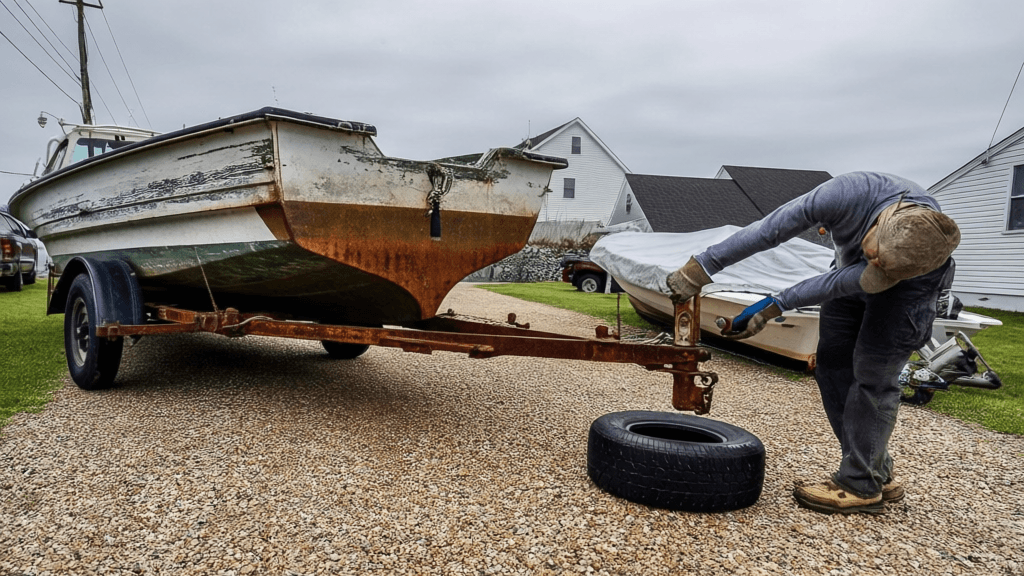
Boat Trailer Maintenance That Can Help Avoid Coverage Disputes
Routine trailer maintenance can reduce breakdown risks when towing a boat between Long Island marinas, ramps, and storag...
Boat Trailer Coverage on Long Island, NY
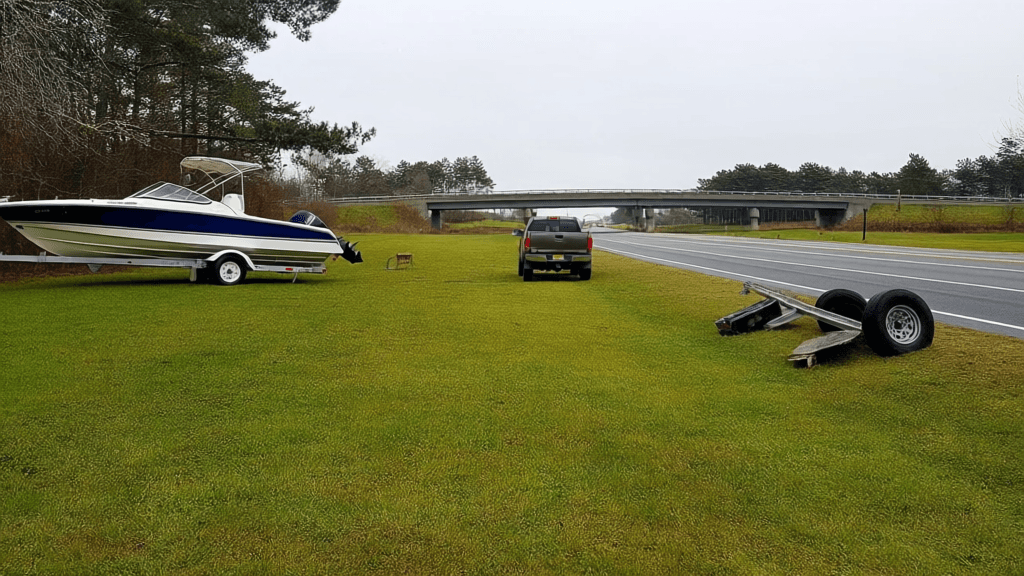
What to Do After a Boat Trailer Accident on Long Island
A boat trailer accident can involve damage to a vehicle, trailer, boat, or other property, and the right next steps help...