Why Deductibles Matter for Long Island Boat Owners
A boat insurance deductible is the amount you are responsible for paying toward a covered loss before the policy pays the eligible remainder, subject to its limits and terms. The amount can affect both your premium and what you would need to manage after an accident. For Long Island boat owners, the distinction between comprehensive and collision matters: a marina mishap, a grounding, theft, and storm damage may fall under different coverage provisions. The declarations page may show separate deductibles, but the policy wording determines how they apply. This guide explains what to compare, how to think through the tradeoff, and which storm-related details deserve a close read.
What Comprehensive and Collision Usually Mean
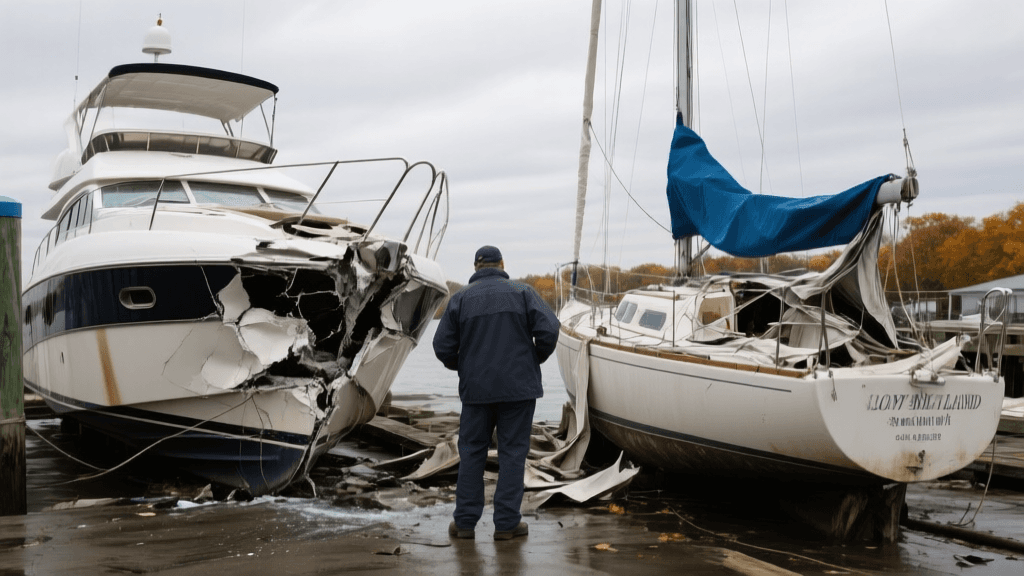
Collision coverage generally addresses physical damage when the insured boat collides with another vessel or object, or overturns, as defined by the policy. Comprehensive coverage generally applies to certain non-collision losses, such as theft, fire, vandalism, or some weather damage. These are common distinctions, not a guarantee that every event is covered; exclusions, navigation limits, storage conditions, and other provisions can change the result. A boat damaged while striking a dock in Huntington might be treated differently from one damaged by a fallen tree while stored ashore. Before choosing a deductible, identify the relevant coverage for realistic incidents and ask how the policy defines each loss.
How a Deductible Changes Your Claim Cost
Suppose a covered collision causes $6,000 in eligible damage and the applicable deductible is $1,000. In a simplified example, the insurer would consider the remaining $5,000, subject to the policy's valuation, limits, and other terms. If the deductible were $2,500, the owner's share would be higher and the premium might be lower, but the exact price difference depends on the insurer and policy. The deductible is not necessarily applied to every expense or every boat policy in the same way. Check whether it is a flat dollar amount or calculated as a percentage of the insured boat value, and confirm whether related equipment or a trailer has separate terms.
Compare Premium Savings With What You Can Afford
A higher deductible can sometimes reduce the premium, but the savings should be weighed against the amount you would have to pay after a covered loss. Compare quotes with the same boat value, coverage limits, navigation territory, and optional protections so the deductible is not the only difference. Then calculate whether you could comfortably cover the deductible without relying on a quick reimbursement or borrowing. An owner who keeps a boat in a busy marina may prioritize a manageable collision deductible, while someone with secure off-season storage may weigh comprehensive terms differently. There is no universally best deductible; the right choice depends on your finances, boating habits, and the policy's actual price difference.
Check for Storm, Wind, and Named-Storm Deductibles
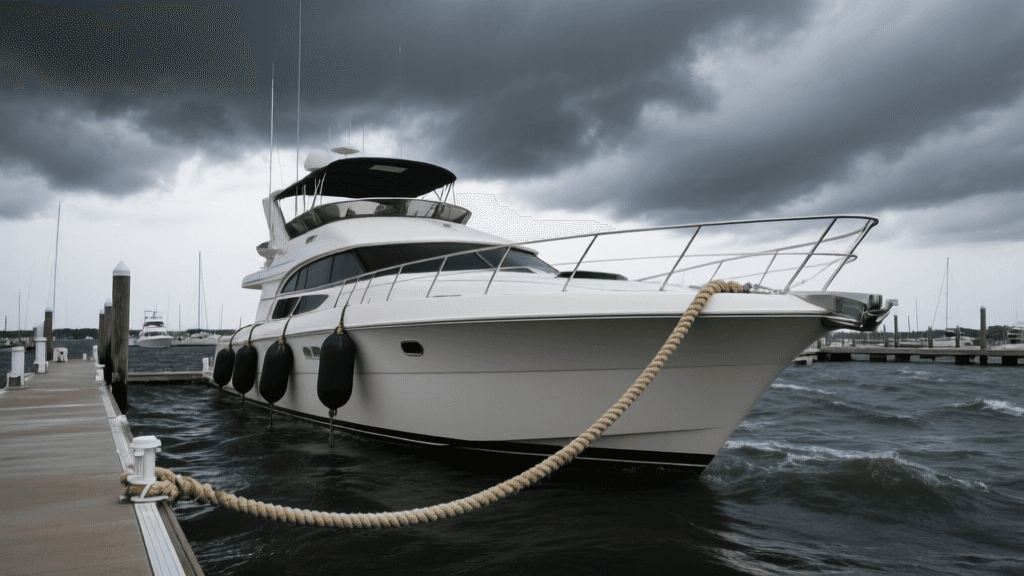
Storm damage can involve a special deductible or separate conditions, but these provisions are not identical across boat policies. A policy may refer to windstorm, hurricane, named storm, or another defined event, and a deductible might be a fixed amount or a percentage of the insured value. The policy should explain when it applies, how the triggering event is determined, and whether it replaces or supplements another deductible. For example, a boat damaged at its berth during a severe coastal storm could raise questions about wind damage, water intrusion, mooring, and storage requirements. Read the exact wording before storm season and confirm any haul-out, secure-storage, or notice requirements that apply to your situation.
Questions to Ask When Reviewing a Boat Policy
Start with the declarations page, then use the policy wording to verify what the listed amounts mean. Ask whether collision and comprehensive have separate deductibles, whether the deductible is fixed or percentage-based, and how the insurer treats a loss involving more than one kind of damage. Confirm whether a deductible applies per occurrence, per item, or under another method. Also check whether the policy's agreed value or actual cash value provisions affect settlement, because the deductible is only one part of a claim calculation. If the boat is stored, trailered, or used across different waters during the year, ask whether those circumstances change the applicable terms or coverage territory.
Long Island Boating Makes Local Details Worth Checking
Long Island boaters may use the sheltered waters of bays and harbors, travel through exposed coastal areas, or keep a boat at a marina or on a trailer between outings. Those choices affect the practical risks to consider, although the policy—not the location alone—decides coverage. A boat kept near Huntington may face different storage and access arrangements from one launched near Massapequa or Wantagh, and owners in Plainview, Hicksville, Bethpage, Syosset, Woodbury, Jericho, Levittown, Farmingdale, and Melville may travel to different launch points. Note where the boat is normally stored, how it is secured, and where it is used. Share accurate details when comparing coverage, especially before seasonal changes.
A Practical Deductible Review
Key Points to Compare
- Match coverage limits and boat valuation across quotes before judging premium differences.
- Write down the comprehensive, collision, and any storm-related deductible separately, including whether each is a fixed amount or percentage.
- Choose an amount you could pay promptly after a covered loss without disrupting essential expenses.
- Confirm exclusions, storage requirements, navigation territory, and any storm-preparation conditions in the policy wording.
- Keep an up-to-date record of the boat, equipment, storage arrangements, and photographs to support a claim.

What to Do Before Choosing Coverage
Gather the boat's year, make, model, value, storage details, and typical boating areas before requesting or comparing options. Ask for the premium at more than one deductible level, but compare otherwise similar coverage so the result is meaningful. Request clarification in writing if a storm provision, percentage deductible, or claim example is unclear. Review the policy again before the boating season and after changing the boat's storage location or use. A quote is an estimate, while the issued policy and endorsements govern coverage. Taking time to understand those documents can help Long Island owners choose a deductible that fits both their budget and the risks they are prepared to retain.
Compare Boat Coverage With Confidence
Review deductible amounts, storm provisions, and coverage limits together before deciding which boat insurance option fits your needs.
Get a Free Quote