Why Hull Coverage for an Older Boat Deserves a Fresh Look
An older boat can still be a valued part of life on Long Island, whether it spends weekends on the South Shore, cruises near Huntington, or is kept ready for a seasonal trip. But a boat’s age, current condition, and market value may all affect how hull coverage is discussed at purchase or renewal. Hull coverage generally addresses physical damage to the insured boat, subject to the policy’s terms, limits, deductibles, and exclusions. It is worth checking what valuation basis applies and whether the listed amount still reflects the vessel. This guide explains the questions to raise before renewal, so a policy does not rest on assumptions about value or condition.
How Age, Value, and Policy Valuation Fit Together
Age alone does not tell the whole story. Two boats of the same model year may differ substantially because one has been consistently maintained while the other needs structural or mechanical work. Policies may use agreed value or actual cash value, but the definitions and claim settlement terms vary by insurer and contract. Agreed value generally refers to an amount established when coverage is arranged, while actual cash value commonly accounts for depreciation; confirm the exact wording rather than relying on the label. For an older vessel, compare the scheduled hull amount with realistic resale information, documented improvements, and the boat’s present condition. Ask how a partial loss and a total loss would be evaluated.
Condition Details That Can Matter in a Coverage Review
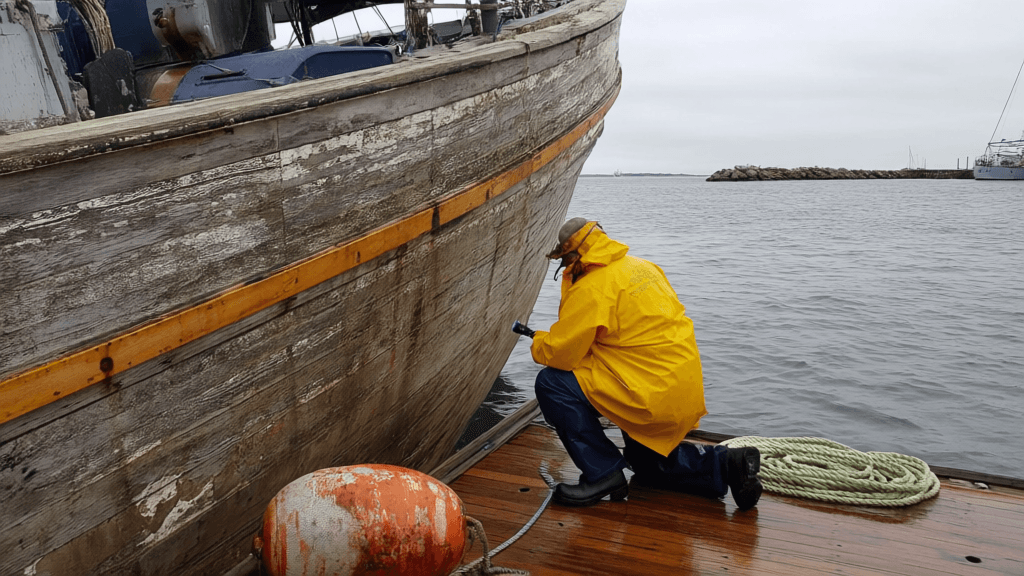
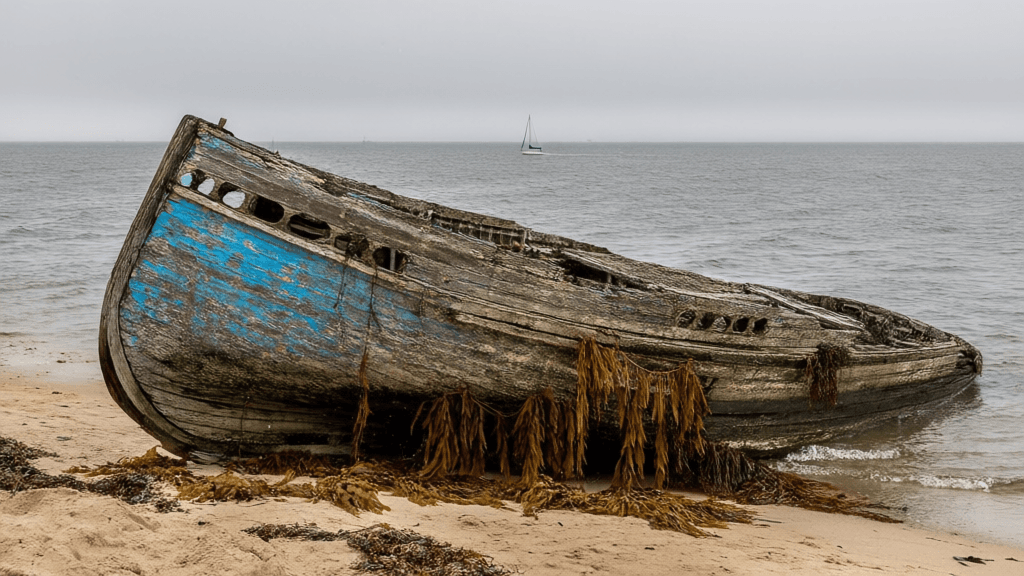
A useful renewal conversation starts with an accurate picture of the boat. Note the condition of the hull, deck, propulsion system, electrical equipment, steering, fuel system, and safety gear, along with any known defects or repairs in progress. Keep dated maintenance records, invoices, photographs, and receipts together; these details can help explain how the boat has been cared for and what has changed since the last application. Be candid about issues such as moisture concerns, soft decking, corrosion, or an engine that needs attention. Coverage decisions and claim outcomes depend on policy language and disclosed facts, so do not assume that a repair, defect, or maintenance issue is covered without asking.
Upgrades and Repairs: Keep Evidence of What Changed
Improvements can affect a boat’s usefulness and market appeal, but their cost does not necessarily increase the insured hull amount dollar for dollar. Replacing an engine, updating electronics, repairing the deck, or adding safety equipment may change the vessel’s condition and replacement considerations. Before renewal, prepare an itemized list of work, including dates, parts, labor, and the service provider when available. Ask whether equipment is included in the hull value, subject to a separate limit, or treated under another part of the policy. Also confirm whether modifications must be reported or approved. A documented upgrade is easier to discuss than a verbal estimate, and clear records can help avoid confusion about what equipment was aboard before a loss.
Surveys and Documentation for an Older Vessel
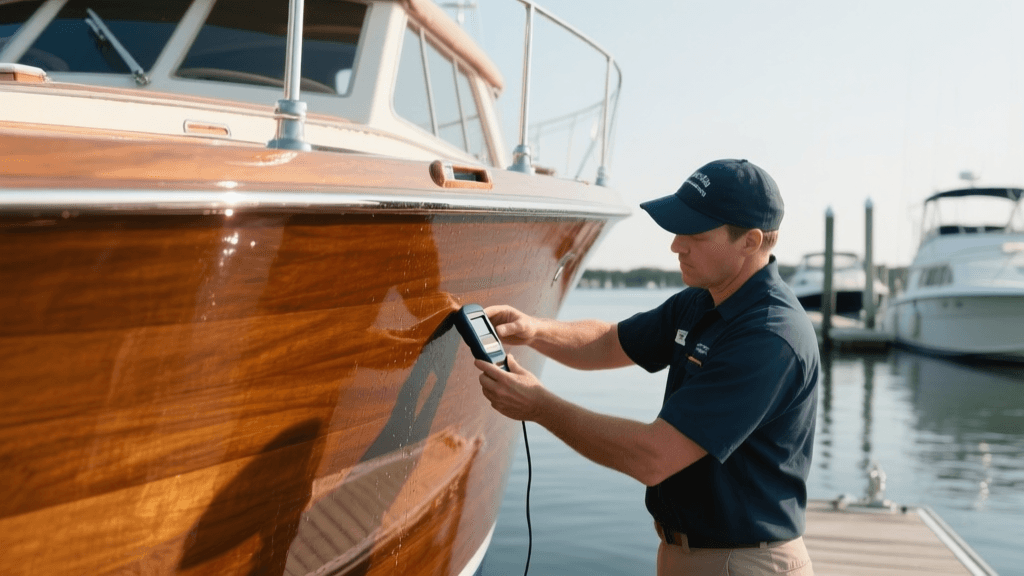
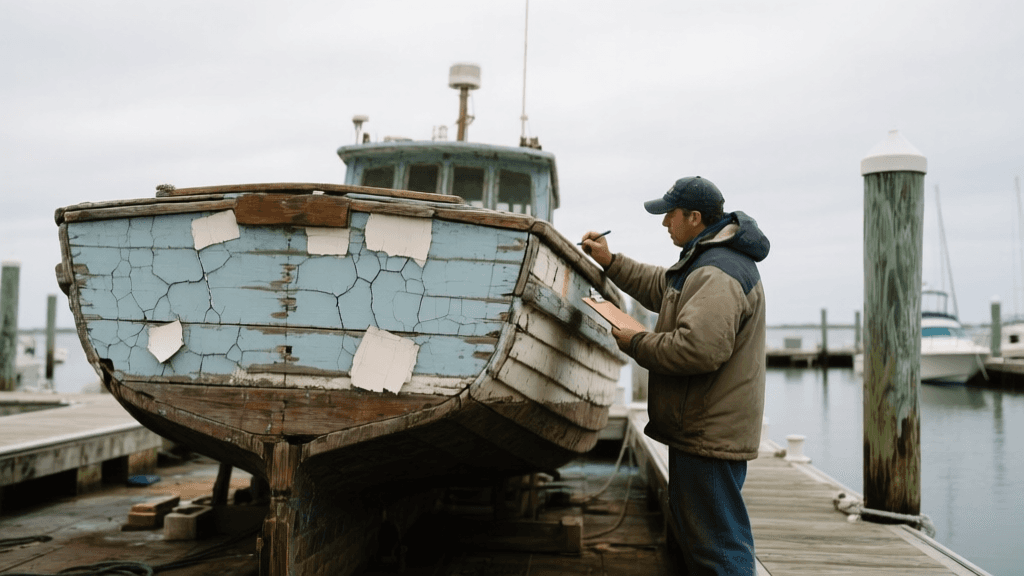
An insurer may request a marine survey, inspection, photographs, or other information, especially when a boat is older, has a higher insured value, or has had significant changes. Requirements differ, so ask what is needed, who may conduct the survey, how recent it must be, and whether recommendations must be completed by a particular deadline. A survey can describe observed condition and identify items needing attention; it is not a promise that every defect will be found or that insurance will cover a future problem. Review any recommendations promptly and keep proof of completed work. If you disagree with a valuation or condition description, ask how the information can be clarified before the policy is finalized.
Long Island Storage, Navigation, and Repair Considerations
Long Island boat owners may store vessels in the water, at a marina, on a trailer, or at home, and those arrangements can change with the season. Tell the insurer where the boat is kept, how it is transported, and where it is normally used. Conditions and repair options can differ between communities, from Plainview, Hicksville, and Bethpage to Huntington, Massapequa, and Wantagh. Proximity to a preferred marina or marine repair facility does not guarantee a particular repair network or claim outcome, so ask how the policy handles estimates, approved repairs, parts, and any limits on labor or related expenses. Also confirm any navigation territory, lay-up, winter storage, and storm-preparation requirements that apply to the individual contract.
A Practical Renewal Checklist
Questions and Records to Prepare
- Confirm the boat’s year, make, model, hull identification information, engine details, and current insured value.
- Ask whether claim settlement uses agreed value, actual cash value, or another method, and request an explanation of how the wording applies to partial and total losses.
- Gather recent photographs, maintenance invoices, upgrade receipts, survey reports, and proof that recommended repairs were completed.
- Review the deductible, covered equipment, exclusions, navigation area, storage arrangements, and any seasonal or storm-related conditions.
- Ask how the policy treats salvage, towing, emergency assistance, and repairs at a marina or facility of your choice.
- Report changes in ownership, use, mooring, storage, or major equipment rather than assuming the prior application remains accurate.

What to Do Before You Renew
Start early enough to gather records, respond to survey requests, and address any maintenance recommendations before the renewal date. Compare the declarations and endorsements with the boat as it exists today: equipment, value, storage location, use, and navigation area should all be accurate. If the insured amount seems out of step with the vessel’s condition or comparable market information, ask what evidence would support a review and how any revised amount could affect the premium and settlement terms. Compare the full policy, not just the price, including deductibles, exclusions, and claim procedures. For Long Island owners in areas such as Syosset, Woodbury, Jericho, Levittown, Farmingdale, and Melville, the right questions are the same: understand the contract, document the boat, and make changes before a loss occurs.
Review Your Older Boat’s Hull Coverage
Gather the boat’s valuation, survey, maintenance, and upgrade records, then ask for a clear explanation of the coverage terms before renewal.
Get a Free Quote