

What Hull Coverage Is in Long Island, NY
Hull coverage is the part of a boat insurance policy that helps pay to repair or replace the boat itself after a covered physical loss. In simple terms, it protects the vessel’s body, structure, and often permanently attached equipment, depending on the policy language. For boat owners in Long Island, NY, that can mean protection for damage tied to docking accidents, collisions in busy channels, severe wind, fire, vandalism, or theft. Because boats operate in saltwater and crowded seasonal waterways, hull protection is often a core coverage rather than an optional add-on. Anyone with a fishing boat, cruiser, center console, sailboat, or personal watercraft stored or used around Long Island should review how hull coverage applies.
Why Hull Coverage Matters in Long Island, NY
Long Island boat owners face a mix of local risks that make hull coverage especially important. Coastal storms, nor'easters, summer squalls, saltwater corrosion, marina traffic, and tight docking conditions can all increase the chance of physical damage. A boat kept near Long Island Sound, the South Shore bays, or launch areas serving destinations around Huntington, Massapequa, and Wantagh may face different exposure than one stored inland, but the need for damage protection remains consistent. In addition, New York boat owners often deal with short but busy boating seasons, which can lead to higher use during peak weekends and more collision risk. Hull coverage helps address those practical, local realities by focusing on the asset that is often the largest boating investment.
Key Benefits of Hull Coverage
- Helps pay for repairs after covered collision damage, docking incidents, and impact with submerged objects
- Can cover storm-related physical damage from wind, waves, and other severe weather common in coastal New York
- May include protection for theft, vandalism, and fire affecting the boat’s structure and attached equipment
- Supports agreed value or actual cash value settlement options depending on the policy design
- Can apply whether the boat is in use, in storage, at a marina, or being transported, subject to policy terms

What Hull Coverage Typically Covers
Hull coverage generally pays for direct physical loss to the boat caused by covered perils listed in the policy. That often includes collision with another vessel, impact with a dock or piling, sinking, fire, lightning, explosion, theft, vandalism, and some weather-related damage. Many policies also extend to permanently attached motors, navigation equipment, anchors, and onboard gear, though limits and exclusions vary. In Long Island, NY, a common example is damage from rough water or an accidental strike while maneuvering in a marina during a crowded summer weekend. Another example is wind damage while the boat is moored before a coastal storm. Coverage details depend on whether the policy uses agreed value or actual cash value, deductible choices, navigation limits, and any named exclusions.
Factors Affecting Hull Coverage Rates in Long Island, NY
The cost of hull coverage in Long Island, NY depends on the boat’s value, age, size, horsepower, construction, storage method, navigation area, claims history, and selected deductible. A newer, high-value vessel kept in a saltwater marina may cost more to insure than an older boat stored on a trailer in Plainview, Hicksville, or Bethpage. Usage also matters. Boats used frequently in open water or offshore areas can present different risk than those used occasionally on protected inland routes. Carriers also look at safety equipment, prior losses, lay-up periods, operator experience, and whether the boat is financed. New York insurance rules, underwriting guidelines, and repair costs in local marine markets can all influence premiums, so rate comparisons should focus on both price and coverage quality.
How Hull Coverage Claims Work
A hull coverage claim usually starts by reporting the loss as soon as possible and documenting what happened. After an accident or storm event in Long Island, NY, the boat owner should take reasonable steps to prevent further damage, photograph the vessel, note the date and location, and gather any marina reports, police reports, or witness information if relevant. The insurer will typically assign an adjuster who reviews the policy, inspects the damage, and estimates repair or replacement cost. In some cases, a marine surveyor or approved repair facility may also be involved. If the loss is covered, payment is issued based on the settlement terms, less any deductible. Fast reporting and clear records are especially helpful when damage occurs during peak boating months in busy areas like Huntington or nearby coastal launch points.
Common Hull Coverage Mistakes and Misconceptions
One common mistake is assuming every type of boat damage is automatically covered. Hull coverage is broad, but it still follows policy exclusions, deductibles, wear-and-tear rules, and navigation restrictions. Normal deterioration, corrosion, lack of maintenance, and mechanical breakdown may not be covered the same way as a sudden accidental loss. Another misunderstanding is believing the cheapest policy offers the same protection as a better-built marine policy. In Long Island, where salt exposure, storm activity, and busy marina conditions can all affect the vessel, small differences in wording can matter a lot. Boat owners in Syosset, Woodbury, Jericho, and Levittown should also avoid underinsuring the boat or forgetting attached equipment, trailers, or electronics that may require separate review.
Choosing the Right Hull Coverage Level
The right hull coverage limit should reflect the boat’s real replacement cost, market value, condition, and how it is used in Long Island, NY. Owners should decide whether an agreed value policy or actual cash value approach makes more sense. Agreed value can offer more predictable claim outcomes, while actual cash value may account for depreciation. Deductible selection also matters. A higher deductible can lower premium, but it increases out-of-pocket cost after a loss. It is also smart to review attached motors, trolling motors, electronics, trailers, and recent upgrades so they are not overlooked. For boaters in Farmingdale, Melville, or Huntington, a careful annual review is helpful because usage patterns, storage locations, and equipment values can change from season to season.
Getting Hull Coverage in Long Island, NY
Getting hull coverage starts with accurate boat details, including year, make, model, hull identification number, engine information, usage, storage, and estimated value. In Long Island, NY, insurers may also ask where the boat is kept, whether it is used in saltwater, and what safety equipment is onboard. A strong quote review should compare coverage limits, deductible options, settlement method, navigation territory, seasonal lay-up terms, and exclusions instead of focusing only on premium. Boat owners across Long Island and nearby communities such as Plainview, Bethpage, Massapequa, and Wantagh should make sure the policy matches how and where the vessel is actually used. Reviewing the policy before launch season can help avoid gaps and make it easier to secure protection before peak boating activity begins.
Answers to Boat Insurance Basics
Hull coverage cost in Long Island, NY depends on the boat’s value, age, type, engine size, storage, navigation area, and claims history. Boats used in coastal water or stored in marinas may cost more to insure than lower-value boats stored on trailers. The best way to compare cost is to review deductible options, settlement type, and included equipment along with the premium.
Hull coverage generally covers physical damage to the boat itself from covered events such as collision, fire, theft, vandalism, sinking, and certain storm losses. Many policies also include permanently attached equipment, but exact protection depends on the policy wording, exclusions, and limits.
Yes, hull coverage is often important in Long Island, NY because boats face local risks such as marina collisions, coastal weather, saltwater exposure, and heavy seasonal traffic. It can be especially valuable if the boat is financed, high in value, or regularly used in bays, sounds, and nearshore waters.
Start by reporting the loss quickly, documenting the damage with photos, and taking steps to prevent further damage if it is safe to do so. The insurer typically reviews the claim, inspects the boat, and determines payment based on the policy terms and deductible. Keeping repair records and incident details can help speed up the process in Long Island, NY.
No, hull coverage and liability coverage protect different things. Hull coverage helps pay for damage to your own boat, while liability coverage helps with damage or injury you cause to others. Many Long Island boat owners need both for balanced protection.
Get Your Boat Coverage Started
Compare boat insurance options tailored to Long Island waterways in minutes.
Related Articles
Learn more about hull coverage in long island, ny with these expert guides
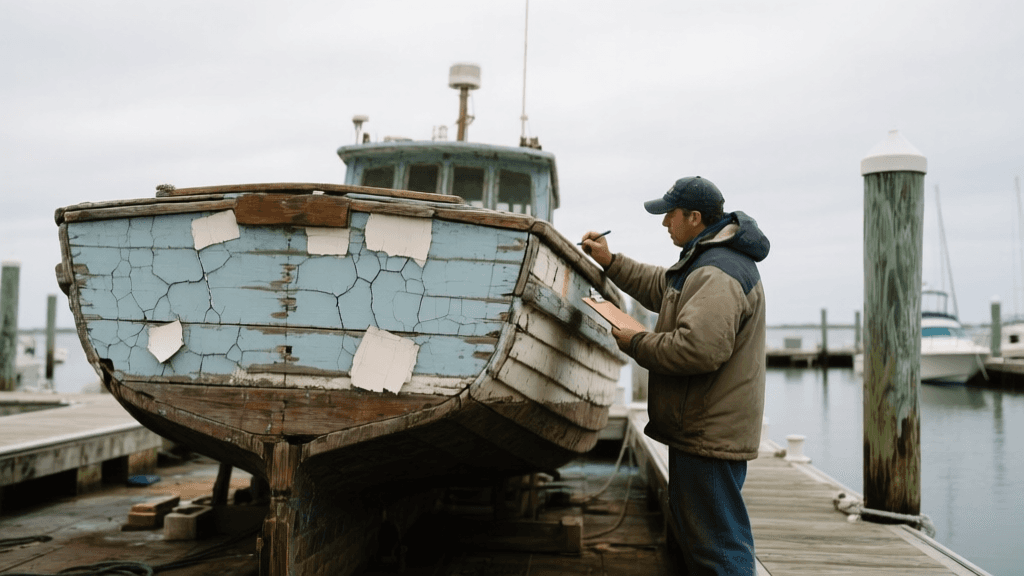
Hull Coverage
Hull Coverage for Older Boats on Long Island: Value and Condition
Hull coverage for an older boat depends on more than its age. This guide explains how valuation, maintenance, upgrades, ...
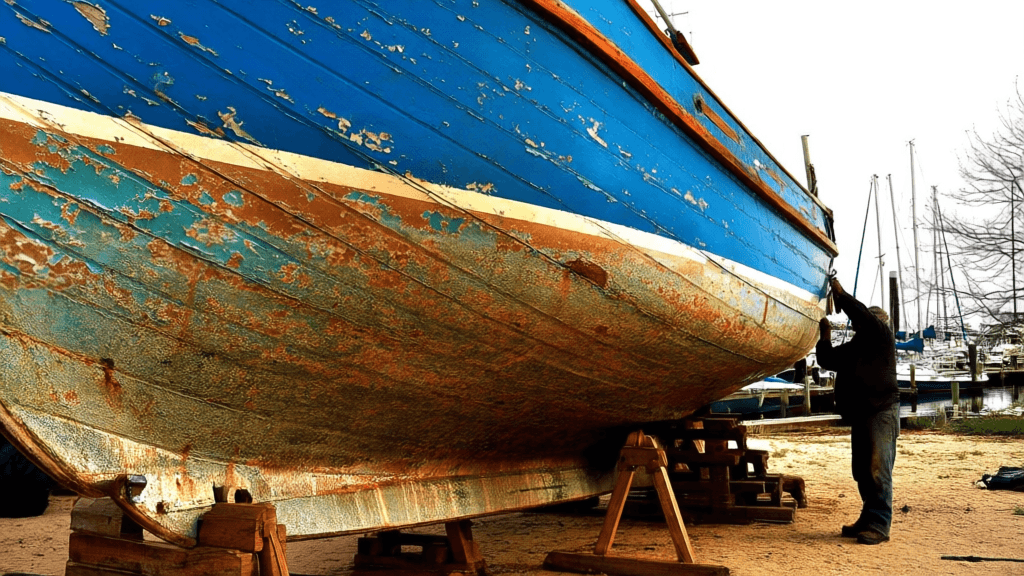
Hull Coverage
Boat Hull Coverage Deductibles: A Long Island Policy Review
Boat hull deductibles determine how much a boat owner pays toward a covered physical-damage claim. This guide explains h...
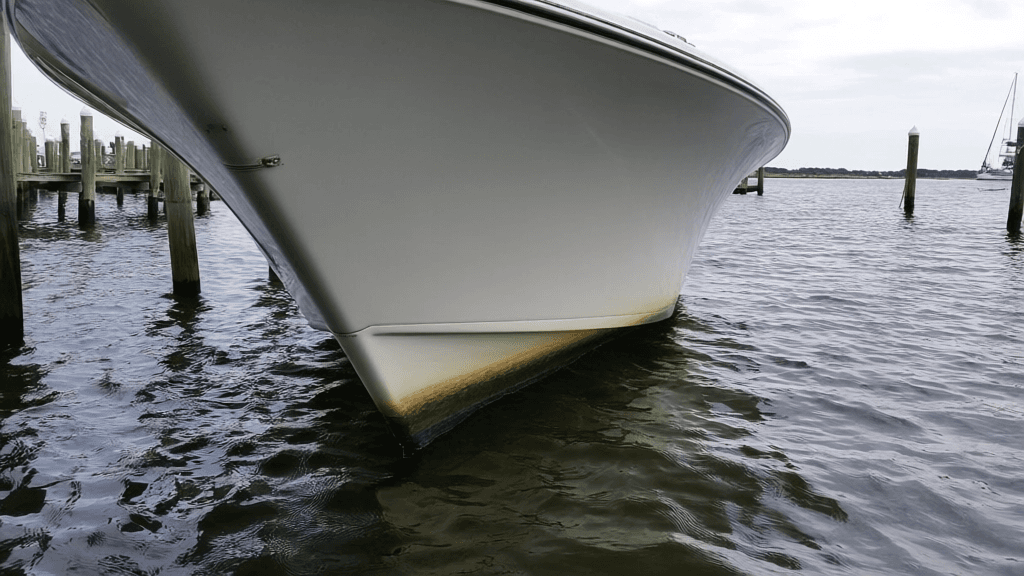
Hull Coverage
What Boat Hull Coverage May Protect Against on Long Island Waters
Boat hull coverage may help pay for covered physical damage to a boat, including certain collision, grounding, and storm...