Why Your Boat’s Valuation Matters
If a covered accident seriously damages or destroys your boat, the policy’s valuation method can influence how much the insurer pays for the loss. For Long Island boat owners, that distinction matters whether a vessel is kept in a marina, trailered between launches, or used on the Sound or South Shore. Agreed value and actual cash value are not interchangeable labels: they describe different approaches to settling certain claims, subject to the policy’s limits, exclusions, deductible, and loss conditions. Before buying or renewing coverage, find out which method applies to the hull and whether separate terms govern equipment, trailers, or partial repairs. This guide explains what to check.
The Basics: Agreed Value and Actual Cash Value
Agreed value generally means the insurer and policyholder establish a boat’s insured value when the policy is written. If the boat has a covered total loss, the policy may pay that agreed amount, subject to its wording, deductible, and other conditions. Actual cash value generally considers the boat’s value at the time of loss, often accounting for depreciation, age, condition, and market information. The exact calculation is controlled by the contract, not just the name of the coverage. A stated or listed limit also does not automatically guarantee that amount for every claim. Ask how the insurer defines a total loss, what valuation evidence it uses, and whether settlement provisions differ for partial damage.
How Depreciation Can Affect a Claim
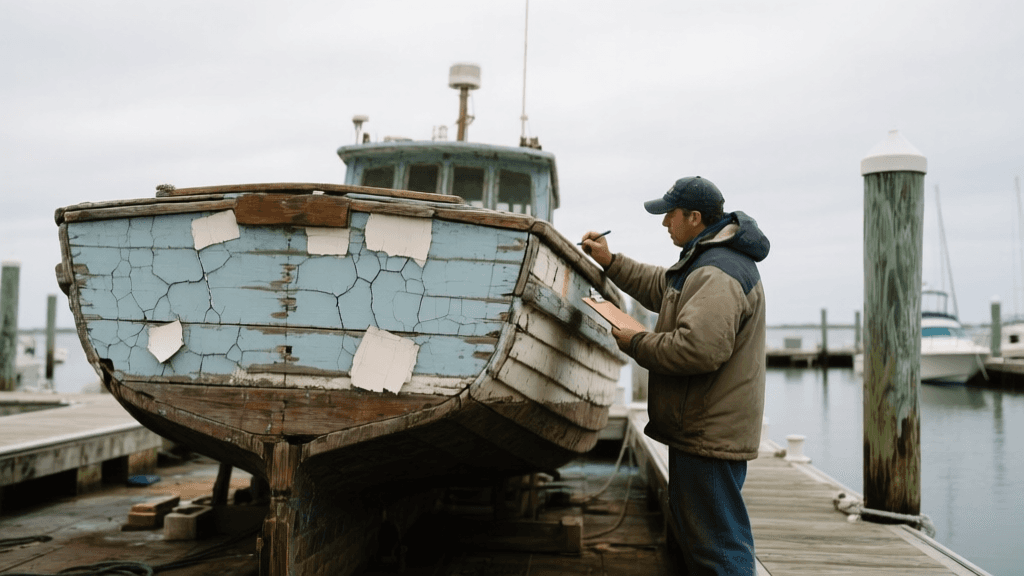
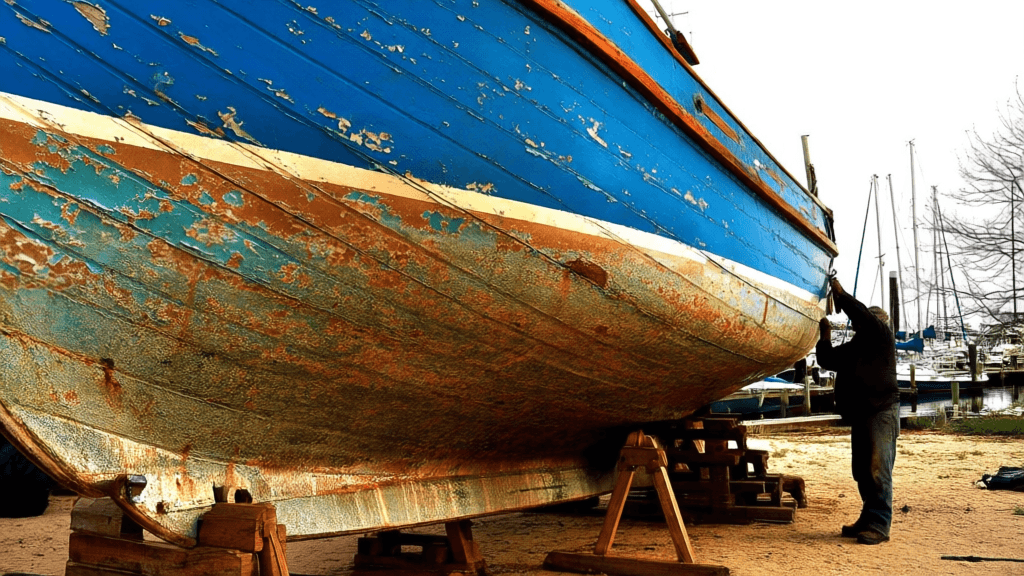
Depreciation reflects the way a boat or component may lose value over time through age, wear, use, and changing demand. Under an actual cash value settlement, those factors can reduce the payment compared with the cost of buying a similar new boat. For example, if an older engine is damaged, the claim outcome may depend on whether the policy pays actual cash value, repair cost, or another amount specified for that equipment. A well-maintained vessel may still be evaluated differently from a newer model, and upgrades do not always increase the insured value dollar for dollar. Keep dated service records, receipts, photographs, and a current equipment list so the boat’s condition and improvements are easier to document.
What Agreed Value May Mean in Practice
With agreed value coverage, the insured amount is typically established using information supplied when the policy begins, such as the boat’s make, model, year, condition, equipment, and purchase or appraisal details. This can make a qualifying total-loss settlement more predictable than a valuation based entirely on the boat’s market value on the date of loss. However, the agreed amount is not a promise that every incident will be paid at that figure. A deductible may apply, partial-loss repairs may be settled under different provisions, and exclusions or coverage limits still matter. Review whether the policy’s agreed value applies to the hull alone or includes specified equipment, and report major additions so the insurer can assess whether the limit remains appropriate.
Questions to Ask About Actual Cash Value
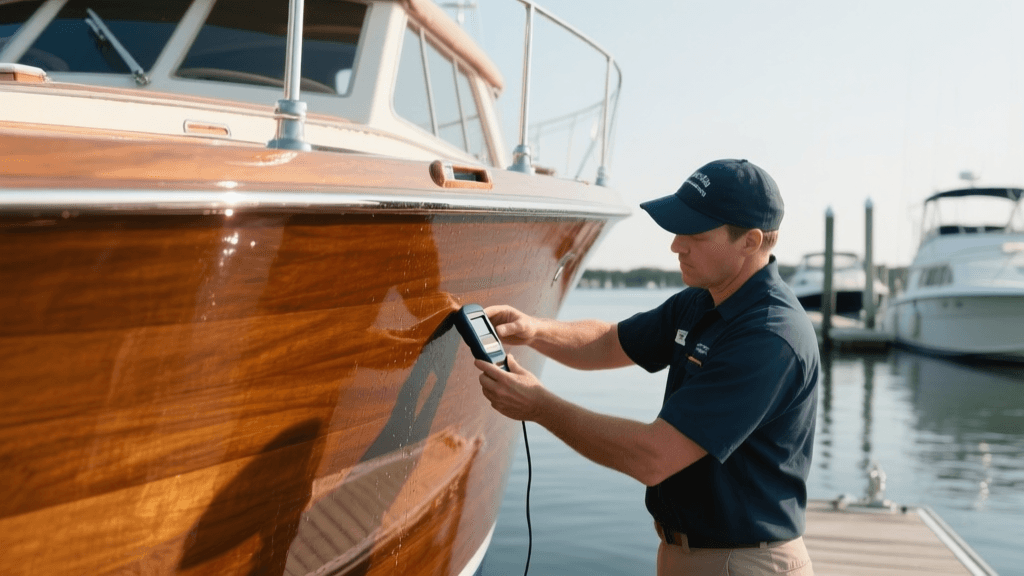
Actual cash value can be a practical fit for some owners, but it is important to understand how the policy determines value. Ask whether the insurer considers comparable boats, a survey, condition, maintenance history, or a depreciation schedule, and whether those methods vary by component. Consider a Long Island owner whose boat is several years old but has recently received a rebuilt engine and substantial electronics upgrades. The hull’s market value and the replacement cost of those improvements may not be the same, and the policy may treat them separately. Confirm sublimits for electronics and personal property, along with any requirements for receipts or itemized schedules. Request clear answers in writing when valuation wording is unclear.
Read the Full Settlement Language
The valuation label is only one part of a boat policy. Check the declarations page for the insured amount and deductible, then read the sections describing hull coverage, partial losses, total losses, salvage, and repair arrangements. Find out whether the policy uses replacement cost for any particular items, whether depreciation applies to repairs, and how the insurer handles parts that are no longer available. Also review navigation limits, lay-up requirements, and exclusions that could affect whether a loss is covered in the first place. A policy with a seemingly attractive valuation method may not be suitable if an important use, location, or piece of equipment falls outside its coverage. Compare complete terms rather than relying on a single phrase.
Local Considerations for Long Island Boat Owners
Long Island boating can involve different storage and use patterns, from marina slips and private docks to seasonal trailering and winter storage. Saltwater exposure, storms, and heavy seasonal use can affect condition and maintenance, while demand for particular boat types may shift between seasons. Owners in communities such as Huntington, Wantagh, Massapequa, and Plainview may have different access and storage arrangements, but the policy’s navigation area and mooring details still need to match how the boat is actually used. Keep a current inventory and photographs before the season begins, and update the insurer after a purchase, major repair, or equipment installation. Accurate details make it easier to assess whether the insured amount and policy terms still fit.
A Practical Review Before You Choose
Questions Worth Asking
- Which valuation method applies to a total loss, and how does the policy define total loss?
- How are partial repairs, engine damage, electronics, and other equipment valued?
- Does the listed amount include upgrades, a trailer, and permanently installed equipment, or are these insured separately?
- What deductible, exclusions, navigation limits, and seasonal storage requirements could affect a claim?
- What documents, survey, photographs, or receipts should be kept to support the boat’s condition and value?

Next Steps: Compare Coverage, Not Just Price
Before selecting or renewing boat insurance, gather the boat’s year, make, model, purchase information, recent survey if available, and a list of installed equipment. Compare the proposed valuation method alongside the deductible, liability limits, navigation territory, storage requirements, and coverage for accessories. If a policy uses actual cash value, ask how depreciation and condition are assessed; if it uses agreed value, confirm what the amount covers and when it should be reviewed. Owners around Long Island can request quotes using the same boat details and coverage assumptions to make comparisons more meaningful. Read the policy documents before binding coverage, and ask for clarification whenever a settlement term is ambiguous.
Compare Boat Coverage Options
Review valuation terms, limits, and deductibles carefully before choosing a policy for your boat.
Get a Free Quote