Why Hull Deductibles Deserve a Close Look
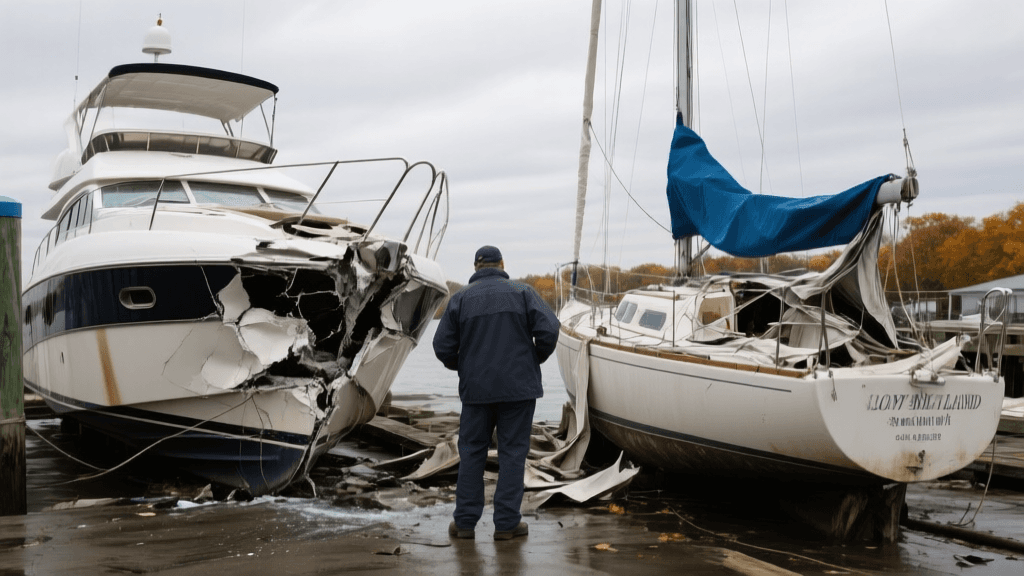
A boat hull deductible is the portion of a covered physical-damage loss that remains your responsibility under the policy. It can shape the real cost of a claim just as much as the premium does. For Long Island boat owners, damage might follow a marina impact, a collision while maneuvering, or a storm that moves a boat against a dock. The deductible does not apply to every kind of loss in exactly the same way, and a policy may have special terms for certain causes. This guide explains how to read those terms and compare the amount with realistic repair costs and the boat's insured value.
What a Hull Deductible Applies To
Hull or physical-damage coverage is generally intended to address direct damage to the insured boat, subject to the policy's coverage grants, exclusions, conditions, and limits. A deductible is usually subtracted from the covered amount of a claim; it is not a payment for every incident or a guarantee that a particular repair will be covered. For example, if an adjuster determines that a covered repair totals $6,000 and the applicable deductible is $1,000, the deductible would ordinarily leave $5,000 before other policy terms are considered. Depreciation, valuation provisions, limits, and uncovered damage can change the result. Review the declarations and full wording together.
Fixed-Dollar and Percentage Deductibles
A fixed-dollar deductible is a stated amount, such as $500 or $1,000. A percentage deductible is calculated using a value defined by the policy, often the insured value, so the dollar amount can be substantial even when the percentage looks small. If a policy applies a 2% deductible to a boat insured for $50,000, the calculation would be $1,000, if the policy defines the base that way. Do not assume the percentage applies to the repair bill. Check which value is used, whether the deductible applies per occurrence, and whether separate deductibles can apply to one event. These details matter when comparing quotes with different structures.
Why Loss Type Can Change the Deductible
Some boat policies set different deductible rules for particular causes of loss. A windstorm or named-storm provision, for instance, may use a percentage deductible or a separate amount, while other covered physical damage may use a flat deductible. The precise trigger can depend on the policy definition, the event, and where the boat is located when damage occurs. A storm-related claim involving a boat kept in a slip may therefore be treated differently from an accidental impact during ordinary operation, but the policy controls. Ask whether the special deductible applies to the whole boat, a particular location, or each occurrence, and request a clear explanation of how it would be calculated.
Compare the Deductible With Likely Repair Costs
A deductible is most useful to evaluate in relation to plausible repair bills, not in isolation. A small fiberglass repair, damaged propeller, electronics replacement, or dockside scrape may cost less than a large structural repair, and estimates can vary by parts availability and labor. If a covered repair estimate is close to the deductible, filing a claim may provide little payment after the deductible and any applicable terms are applied. That does not mean every smaller incident should go unreported; prompt notice duties and policy conditions still matter. When selecting a deductible, consider the amount you could pay promptly, the boat's age and condition, and the kinds of repair expenses that would strain your budget.
Balance Deductible Choice Against Insured Value
A deductible should also be considered alongside the boat's insured value and the policy's valuation method. A higher deductible can reduce the insurer's payment on a covered loss, and a percentage-based amount can grow as the insured value rises. At the same time, choosing a lower deductible may affect the premium. Compare the actual premium difference for each option with the additional amount you would owe after a claim. Confirm whether the policy uses agreed value, actual cash value, or another basis, and ask how partial damage and total loss are handled. The deductible is only one part of the financial picture; limits, exclusions, salvage provisions, and coverage for equipment can also affect recovery.
Local Considerations for Long Island Boaters
Long Island boating spans sheltered harbors, marinas, tidal waterways, and exposed coastal routes, so storage and use can affect the questions worth asking about a policy. A boat kept in Huntington or Massapequa may face different day-to-day conditions from one routinely trailered from Plainview, Hicksville, or Farmingdale to a launch point. Seasonal haul-out, winter storage, marina requirements, and storm preparation can all influence how owners think about physical-damage protection. These local details do not automatically change a deductible, but they make it important to confirm where coverage applies, what storm-related terms say, and whether equipment, trailer, and transit exposures are addressed. Keep the insurer informed about material changes in use or storage.
A Practical Deductible Review
Questions to Ask Before Choosing
- What is the deductible for ordinary covered physical damage, and is it applied per occurrence or in another way?
- Does windstorm or named-storm damage have a separate or percentage deductible, and what value is used to calculate it?
- How would the deductible compare with a realistic repair estimate and the amount available in an emergency fund?
- What valuation basis, limits, exclusions, and claim conditions could affect payment beyond the deductible?
- How much does the premium change between deductible options, and is that difference worthwhile for your budget?

Next Steps: Compare the Full Policy, Not Just the Premium
Before buying or renewing boat insurance, gather the boat's current value, model and year, storage details, navigation plans, and any recent repair information. Then compare policy documents line by line: ordinary hull deductible, storm-related deductible, valuation basis, covered equipment, exclusions, and claim-reporting requirements. Ask for examples showing how the deductible would apply to both a modest repair and a larger covered loss. Long Island owners in communities such as Syosset, Woodbury, Jericho, Levittown, Wantagh, and Melville can use the same careful review, while accounting for their own boating and storage arrangements. A quote comparison is most meaningful when the coverage terms and deductibles are genuinely comparable.
Review Your Boat's Deductible Before the Next Season
Compare the policy wording, deductible calculations, and premium options so you understand your potential out-of-pocket cost.
Get a Free Quote