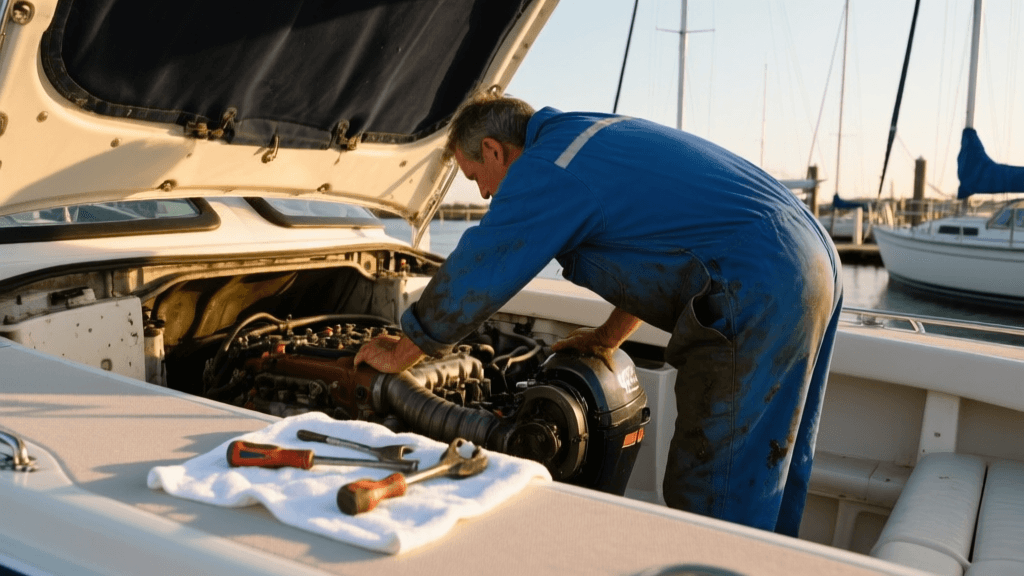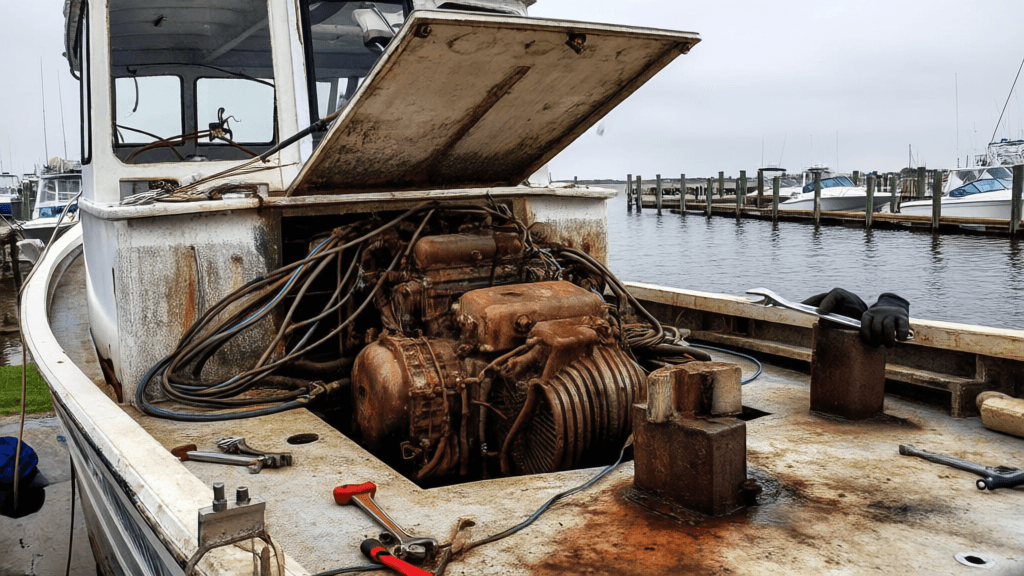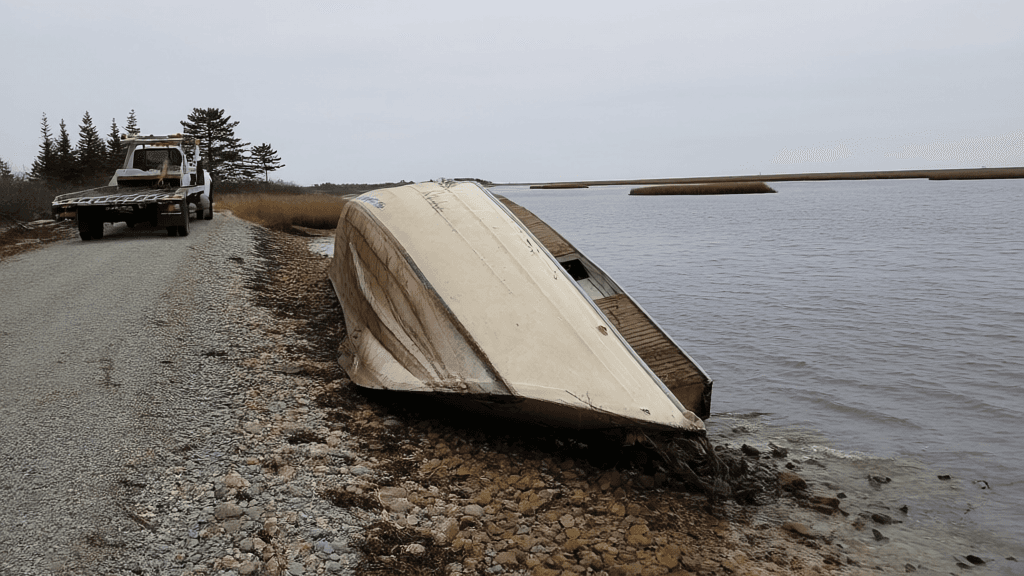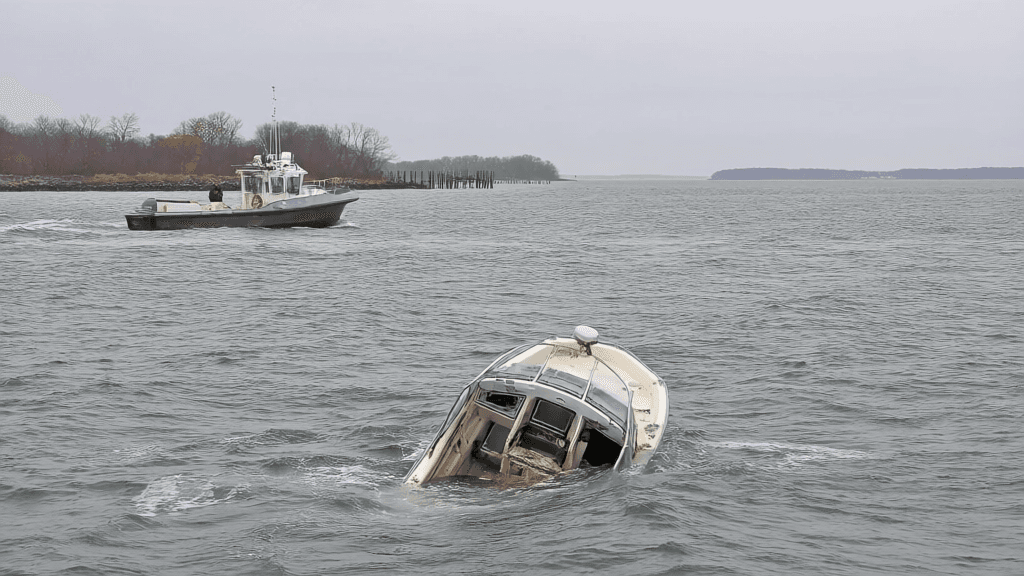
A Breakdown Calls for Calm, Clear Decisions
A boat that loses power near Long Island may still drift toward a shoal, busy channel, or exposed shoreline, so the first priority is keeping everyone aboard safe. Whether the problem happens on Long Island Sound, in a sheltered bay, or while heading through a marina entrance, avoid rushing into repairs before checking your surroundings. Put on life jackets, account for passengers, and identify nearby hazards. This guide covers the immediate steps to take, the details a towing provider will need, and how to check whether your policy’s towing assistance fits the kind of trip you take.
Why Local Conditions Matter
Long Island boating conditions can change over a short distance. Wind and current may push a disabled boat away from a protected anchorage, while wakes and commercial traffic can make drifting near a channel especially hazardous. A problem near the North Shore, South Shore bays, or an inlet may call for different assistance than one close to a marina. Weather, visibility, water depth, and distance from safe harbor all affect what help is practical. Before each outing, check marine forecasts and navigational notices, tell someone your general route, and make sure your phone or marine radio is ready to use.
First, Stabilize the Situation
Once you notice a mechanical problem, reduce speed if the engine is still responding and move away from traffic or hazards only if you can do so safely. Shift to neutral when appropriate, assess whether the vessel is taking on water, and check for smoke, fuel odor, or other signs that require immediate emergency action. Display the appropriate distress signal if the situation becomes urgent, and use your marine radio to contact the Coast Guard or other emergency services when life or the vessel is in danger. Do not enter the water to work on a motor, and do not attempt a tow with an improvised line unless you know it can be done safely.
Report Your Location Precisely
A towing provider can respond more effectively when you give a precise position instead of saying only that you are near Long Island. Use GPS coordinates from your chartplotter or phone, and read them slowly with the latitude and longitude clearly identified. If coordinates are unavailable, describe a recognizable landmark, nearby harbor, buoy number, channel, or direction and distance from shore. Explain whether the boat is drifting, anchored, aground, or taking on water, and share the vessel’s length, type, color, passenger count, and any medical or safety concerns. Keep your radio or phone available, conserve battery, and confirm the best channel or number for follow-up.
Understand What Towing Assistance May Cover
Boat towing assistance is not automatically identical across policies or membership programs. One plan may help with an on-water tow to a suitable marina, while another may include fuel delivery or a jump-start but limit distance, eligible locations, or the amount paid for service. Check whether assistance is available on the water, at a ramp, or only after the boat reaches shore. Review deductibles, per-incident limits, dispatch procedures, and whether you must call an approved provider before arranging service. Ask how the plan treats salvage, grounding, commercial towing, and expenses beyond its stated limit. These details determine whether a benefit matches your usual boating area and habits.
Choose the Right Help and Keep a Record
If there is immediate danger, contact emergency services first; a routine towing benefit is not a substitute for a distress response. For a non-emergency breakdown, follow your policy’s dispatch instructions and describe the problem without guessing at the cause. Ask the provider to confirm the destination, estimated arrival, service charges, and whether the proposed tow is within the assistance terms. If you need to arrange help independently because no approved provider is available, document why and keep receipts, call logs, and the provider’s details. Avoid accepting an unfamiliar tow without understanding the destination and expected cost, especially if the boat can safely remain anchored while you verify the arrangement.
Prepare Before Leaving a Long Island Harbor
A little preparation can make a breakdown much easier to manage. Save your insurer’s or assistance provider’s dispatch information where it can be reached without an internet connection, and ensure someone aboard knows how to use the radio and read GPS coordinates. Keep a charged phone in a waterproof case, consider a backup battery, and carry required safety equipment in working order. Note the boat’s registration details and a clear description of its make, length, and color. Before departing from a Long Island marina or ramp, check fuel, batteries, cooling systems, and weather, while remembering that routine checks cannot prevent every failure. Practice explaining your position so the information is easy to share under stress.
What Long Island Boaters Should Consider
For boaters based in Plainview, Hicksville, Bethpage, Syosset, Woodbury, Jericho, Levittown, Farmingdale, or Melville, the drive to a launch point may be simple, but the water response depends on where the boat is actually operating. Huntington-area trips, South Shore bays, and routes near inlets can involve different distances, access points, and conditions. Consider your regular launch sites, typical cruising range, and whether you travel between protected waters and more exposed stretches. A benefit that works for a short harbor outing may be less useful on a longer coastal trip. When reviewing terms, ask specifically how service is coordinated in the areas you use and whether the destination marina must meet certain requirements.
Key Takeaways for a Breakdown
Keep These Steps in Mind
- Put life jackets on, account for everyone aboard, and assess immediate risks such as traffic, drifting, smoke, or water intrusion.
- Contact emergency services for a life-threatening or distress situation; use routine towing assistance for non-emergency mechanical help.
- Share GPS coordinates when possible, then explain the vessel’s condition, passenger count, and nearby hazards.
- Follow dispatch requirements and confirm the towing destination, charges, and coverage limits before service begins when circumstances allow.
- Keep receipts and communications if you must arrange assistance outside the usual dispatch process.

Review Your Options Before the Next Trip
Before your next outing, read the towing or marine assistance wording in your current policy and note the dispatch number, eligibility rules, limits, and exclusions. If the language is unclear, ask the insurer or policy representative to explain how a real tow from your usual Long Island boating area would be handled. Compare assistance terms alongside the rest of the boat policy, including liability, physical damage, and any separate emergency-service benefits, rather than judging coverage by a short label alone. Keep a copy of key information aboard and share the plan with regular passengers. Preparation cannot eliminate mechanical trouble, but it can reduce confusion and help you make safer decisions when a breakdown interrupts a day on the water.
Check Your Boat Towing Assistance Details
Review your policy terms and compare available options so you know how to request help before your next Long Island trip.
Get a Free Quote