Why Towing Limits Deserve a Close Look
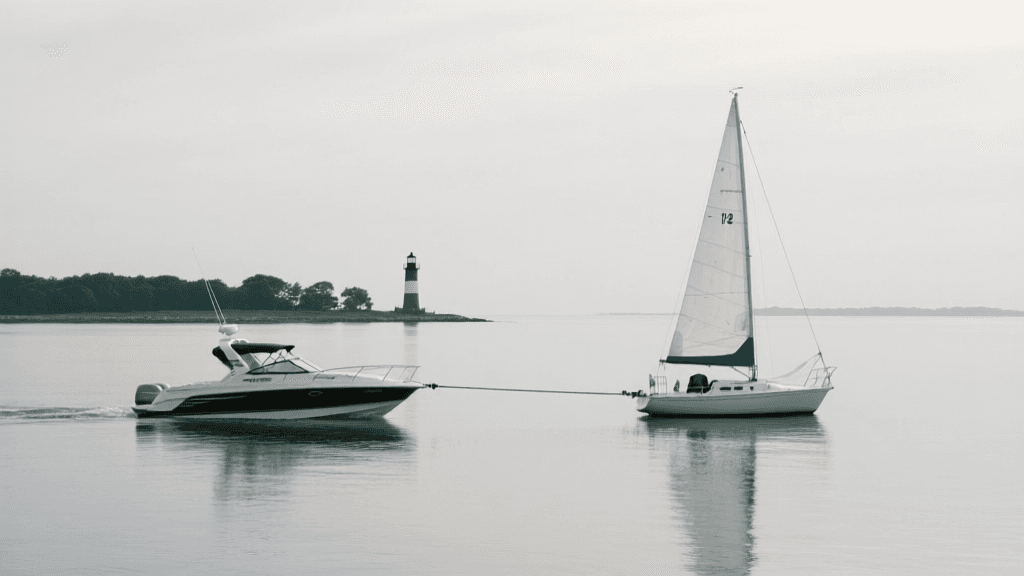
A boat that will not start, loses propulsion, or runs short of fuel can turn a pleasant day on the water into a costly wait for help. Towing assistance may pay for eligible services, but the phrase does not describe one standard benefit: policies and marine assistance plans can set different dollar limits, mileage allowances, dispatch procedures, and exclusions. For Long Island boaters, a short trip near a launch can become a longer tow if weather, traffic, or the vessel’s location complicates the response. Reviewing the actual terms before heading out helps clarify what to do, who to call, and what expenses may remain your responsibility.
How Marine Towing Assistance Is Structured
Towing help may be included as a policy endorsement, offered through a separate boating assistance membership, or provided through another service arrangement. These options are not automatically interchangeable. One may reimburse eligible towing bills after you pay, while another may arrange dispatch and pay a provider directly, subject to its service territory and limits. Read the definitions of covered breakdown, disablement, and emergency service, along with any deductible or per-incident cap. Also check whether the benefit applies to your specific vessel and whether it follows the boat, the named insured, or both. Keep the policy and assistance contact details accessible on board.
Check the Limit, Distance, and Cost-Sharing
A towing benefit may specify a maximum amount per incident, a maximum distance, or both. A dollar cap can be used up quickly when a tow requires a long run, after-hours response, or additional assistance. A mileage limit may count the distance to a designated safe harbor or approved repair facility, rather than simply the route back to your original launch. Ask how the provider calculates distance and whether you pay the amount above the limit. For example, a boater whose engine fails well away from a convenient marina should know whether the plan pays only to the nearest suitable location or allows a destination they choose. Get the answer in writing.
Understand Dispatch and Provider Rules
Dispatch requirements can determine whether an otherwise reasonable bill qualifies for payment. Some arrangements ask boaters to call a specific assistance number and wait for an approved provider; others may allow you to arrange help independently when dispatch is unavailable or a situation is urgent. Find out whether prior authorization is required, what to do if the designated number cannot be reached, and how to document the call. Ask whether service is available where you boat, including the waterways and coastal areas you commonly visit around Long Island. Save the contact number offline, since mobile reception can be unreliable in some locations. If safety is at stake, follow emergency guidance first and preserve records for any later claim.
Fuel Delivery and Soft Ungrounding May Be Different
Fuel delivery and soft ungrounding are often treated as distinct services rather than ordinary towing. A plan may send fuel but exclude the cost of the fuel itself, or it may limit the number of deliveries. Soft ungrounding generally refers to a controlled effort to refloat a vessel that is lightly stuck, not recovery from a dangerous or severe grounding. Coverage may exclude damage-related salvage, hazardous conditions, or situations requiring specialized equipment. Ask whether the benefit covers the service fee, materials, and any assessment, and whether the operator must be approved. Long Island’s shallow bays, tidal conditions, and changing water levels make it especially useful to understand what the policy calls a routine assist versus a salvage operation.
Reimbursement Rules and Records to Keep
When reimbursement is required, a boater may need to pay the operator first and submit a claim within a stated deadline. The claim process could ask for an itemized invoice, proof of payment, the vessel’s location, the reason assistance was needed, and evidence that required dispatch steps were followed. Clarify whether reimbursement is limited to customary charges or a preset schedule, and whether tips, fuel, waiting time, or additional labor are excluded. Keep receipts and note the date, time, coordinates or nearby landmark, provider name, services performed, and calls made. Clear records make it easier to explain what happened and to identify any amount that falls outside the benefit.
What Long Island Boaters Should Consider Locally
Long Island offers very different boating conditions across its bays, harbors, and open-water routes. A trip close to a familiar launch may need a simple tow, while a breakdown farther from a suitable marina can involve more time, distance, or coordination. Tides and shallow areas can affect whether a vessel can be safely moved, and weather may influence where a provider can operate. Boaters based in Plainview, Hicksville, Bethpage, Syosset, Woodbury, Jericho, Levittown, Farmingdale, Melville, Huntington, Massapequa, or Wantagh may travel to a range of launch points and waterways, so review the benefit for the places actually used—not just the closest harbor to home.
A Practical Policy Review Checklist
Questions to Ask Before the Season
- What is the maximum payment per incident, and is there a separate mileage limit or deductible?
- Must assistance be dispatched through a specific number or approved provider, and what is the backup procedure?
- Does the benefit apply to fuel delivery, fuel cost, soft ungrounding, and transport to a repair facility?
- What services or conditions are excluded, including salvage, hazardous weather, and damage-related recovery?
- If I pay first, what documents are required, what is the filing deadline, and how is reimbursement calculated?
- Are the waterways and locations where I typically boat within the service area?

Choose Your Next Step Before You Launch
Start by locating the towing, emergency service, and reimbursement language in your current documents. Compare the stated limits with the distances and locations involved in your usual trips, then contact the insurer or plan administrator to clarify ambiguous terms. Ask for written confirmation when a response affects what you can expect to pay. If you are comparing options, look beyond the advertised benefit and weigh dispatch access, service territory, per-incident limits, exclusions, and the claims process together. Keep the policy information, emergency numbers, and a simple incident-record checklist on board. A few minutes of preparation can make it easier to respond calmly if a Long Island boating day ends with a disabled vessel.
Review Your Towing Assistance Before Your Next Trip
Compare the limits, service rules, and reimbursement requirements in your boat policy so you know how to request help when it matters.
Get a Free Quote