What to Do After a Collision With an Uninsured Boater
A collision on Long Island waters can become more complicated when the other operator has no insurance, gives incomplete information, or leaves before you can identify the vessel. Start with safety, not paperwork: check for injuries, move out of immediate danger if it is safe to do so, and contact emergency services when needed. Once the situation is stable, preserve details that may help establish what happened and support a claim. This guide explains how to record people, boats, damage, and reports, and how to review your own policy. Acting promptly matters because memories fade, weather changes, and damaged equipment may be repaired or moved.
Why Uninsured and Unidentified Boater Claims Need Careful Records
An uninsured boater is an operator who may be legally responsible for a crash but has no applicable liability insurance to pay for resulting losses. An unidentified boater may be unknown because the operator left, the vessel could not be identified, or available details are incomplete. These situations are not automatically handled the same way under every boat policy. Long Island boaters may encounter crowded channels, marinas, and busy recreational waters, where a quick departure or conflicting accounts can make identification difficult. Even if you believe the other operator caused the crash, avoid assuming your insurer will treat the event as an uninsured-boater claim until the policy language and facts are reviewed.
Prioritize Safety and Make a Clear Incident Record
Check everyone aboard for injuries and call for medical help when appropriate. Do not pursue a departing vessel or put passengers at risk to collect evidence. When it is safe, write down the date, approximate time, location, water and weather conditions, direction of travel, and a factual description of how the collision occurred. Record the other vessel’s type, color, size, registration or name markings, distinctive equipment, and direction of travel. Note the operator’s appearance and any statements you heard without embellishment. Ask passengers to make their own notes while memories are fresh. If you are near a marina or launch area, identify nearby docks or landmarks that can help locate the scene.
Collect Witness, Vessel, and Damage Information
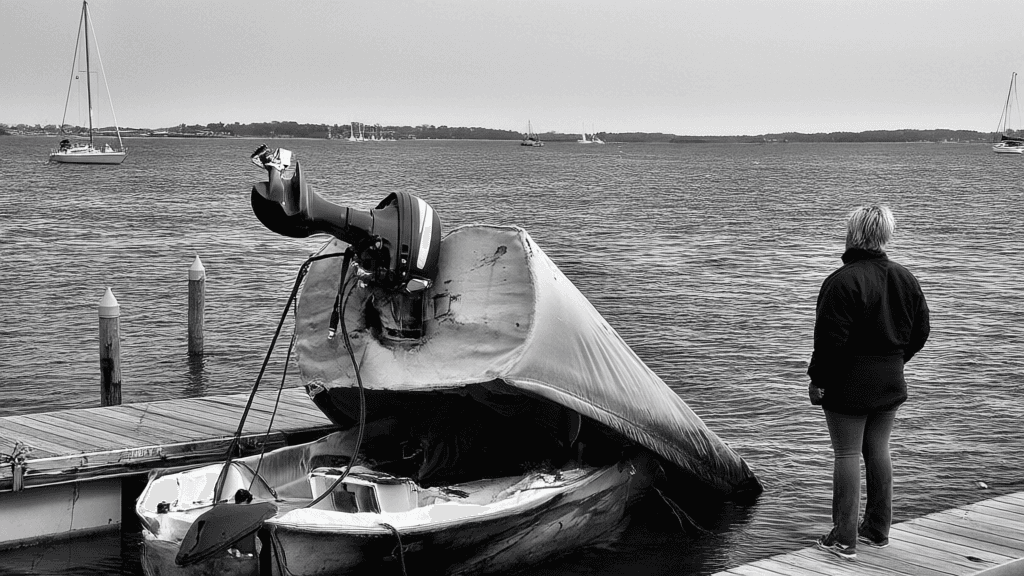
Get names and contact details for witnesses, passengers, nearby boat operators, and marina staff who saw the event. Ask whether anyone has photos or video, but do not pressure a witness to adopt your version of events. Photograph your vessel from several angles, including close-ups and wider views that show where damage sits in relation to the hull, rail, motor, or other equipment. Capture visible damage to the other boat only if you can do so safely and lawfully. Keep damaged parts and receipts, and save estimates, repair invoices, medical records, and related travel costs. Do not discard damaged equipment or authorize major repairs before asking the insurer what documentation or inspection it requires.
Report the Collision and Notify Your Insurer Promptly
Contact your boat insurer as soon as practical, even if you are still trying to identify the other operator or are unsure whether damage exceeds your deductible. Give a factual account and ask how to open a claim, where to send evidence, and whether an adjuster needs to inspect the boat before repairs begin. Keep the claim number and a record of calls, dates, and instructions. Depending on the circumstances, New York reporting rules may apply, particularly when a boating accident involves injury, death, or significant property damage. Requirements can depend on the event and the responsible authority, so ask the relevant state or local boating authority what reporting is required. Do not assume an insurer notification replaces any legally required report.
Review What Your Boat Policy Actually Covers
Ask your insurer whether the policy includes uninsured or underinsured boater coverage, how it defines an uninsured vessel, and whether an unidentified or hit-and-run operator can qualify. Confirm which losses may be covered, such as bodily injury, damage to your boat, or other specified expenses; coverage varies by policy and may be subject to exclusions, limits, and a deductible. Also ask whether another part of the policy, such as collision coverage, may apply independently. Find out what proof is needed to show the other operator’s identity or lack of insurance, whether a police or boating-authority report is required, and how deadlines affect notice or proof of loss. Request explanations in writing when possible and compare them with your policy documents.
Long Island Details That Can Help Identify the Scene
Long Island’s mix of bays, harbors, marinas, and open-water routes means a useful location description should be more precise than simply naming the island. Note the nearest harbor, launch, dock, channel marker, shoreline feature, or recognizable landmark, and include your approximate position or route if you know it. Conditions can change quickly, so record visibility, wind, waves, and traffic as you observed them rather than relying on a later estimate. If the incident occurred near a marina, ask whether staff can preserve security footage or visitor records; availability and retention periods vary. These details can matter for boaters launching from communities such as Huntington, Wantagh, or Massapequa, as well as residents traveling from Plainview, Hicksville, and other inland towns.
Claim Preparation Checklist
- Write a dated timeline with the location, conditions, vessel movements, and what happened immediately after impact.
- Save photos, witness contacts, vessel descriptions, repair estimates, receipts, and medical documentation in one organized file.
- Notify your insurer promptly, ask about inspection and repair instructions, and keep a record of claim communications.
- Confirm the policy’s uninsured or unidentified boater definitions, covered losses, limits, deductible, exclusions, and reporting deadlines.
- Ask the appropriate authority whether an official boating accident report is required for the circumstances.

Practical Next Steps for Your Claim
After the initial report, follow up with your insurer to confirm that every submitted photo, witness detail, estimate, and report has been attached to the claim. Ask what remains outstanding, who will inspect the boat, and whether you should obtain more than one repair estimate. Keep copies of everything and avoid guessing about fault or agreeing to a settlement before understanding the scope of your losses and the policy’s terms. If injuries are involved, prioritize medical care and keep records of treatment and related expenses. For future trips, review coverage before the boating season, confirm that operators understand the policy conditions, and store the insurer’s claim instructions where they can be reached on the water. A careful record now can make a difficult process easier to navigate.
Review Your Boat Coverage Before Your Next Trip
Compare your policy’s uninsured-boater terms, limits, and reporting requirements so you know what steps to take if a collision occurs.
Get a Free Quote