What Boat Liability Coverage May Do
Boat liability coverage is designed to help protect an owner when the owner or an insured operator is legally responsible for covered bodily injury or property damage arising from use of the boat. For a Long Island owner, that could mean a passenger is hurt during a sudden maneuver, a boat strikes a dock while approaching a marina, or another vessel is damaged in a collision. The policy does not automatically pay every expense connected with an accident; coverage depends on the wording, exclusions, limits, and facts of the claim. Knowing what liability insurance is intended to address can help you choose limits and operate with fewer unpleasant surprises.
Why Liability Matters Around Long Island
Long Island boating can involve busy marinas, narrow channels, changing weather, and crowded summer weekends. Even a careful operator may face a claim after a wake causes damage, a passenger slips while moving around the boat, or a low-speed incident damages another watercraft. Long Island’s mix of bays, harbors, and open-water routes means conditions can change over a single outing, and local traffic may include personal watercraft, fishing boats, sailboats, and commercial vessels. Liability coverage is not a substitute for safe boating or compliance with applicable New York requirements. It is one part of a broader plan that should also include proper maintenance, passenger briefings, and a sober, attentive operator.
Passenger Injuries and Bodily Injury Claims
A bodily injury liability claim may arise if a passenger or another person says the boat operator’s actions caused an injury. Imagine a passenger loses balance when the operator turns sharply near a crowded anchorage, or someone is injured while boarding at a private dock. Depending on the policy and circumstances, liability coverage may help pay covered medical-related damages, legal defense costs, or a settlement up to the applicable limit. Do not assume that every passenger expense is covered: medical payments coverage, if included, is a separate benefit with its own terms and limit. Before inviting guests, explain where to sit, how to move safely, and when everyone should wear a life jacket.
Damage to Docks, Marinas, and Other Boats
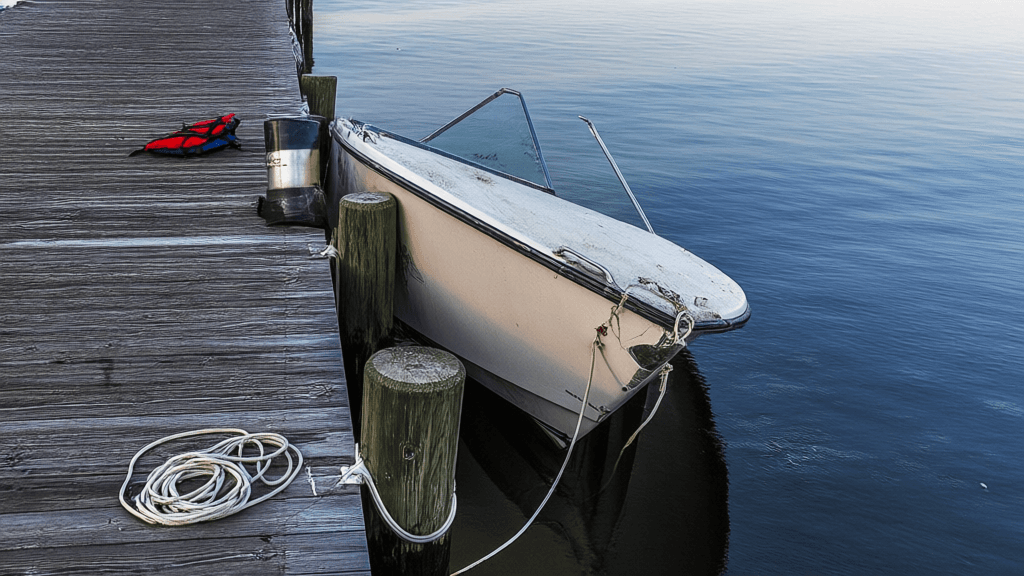
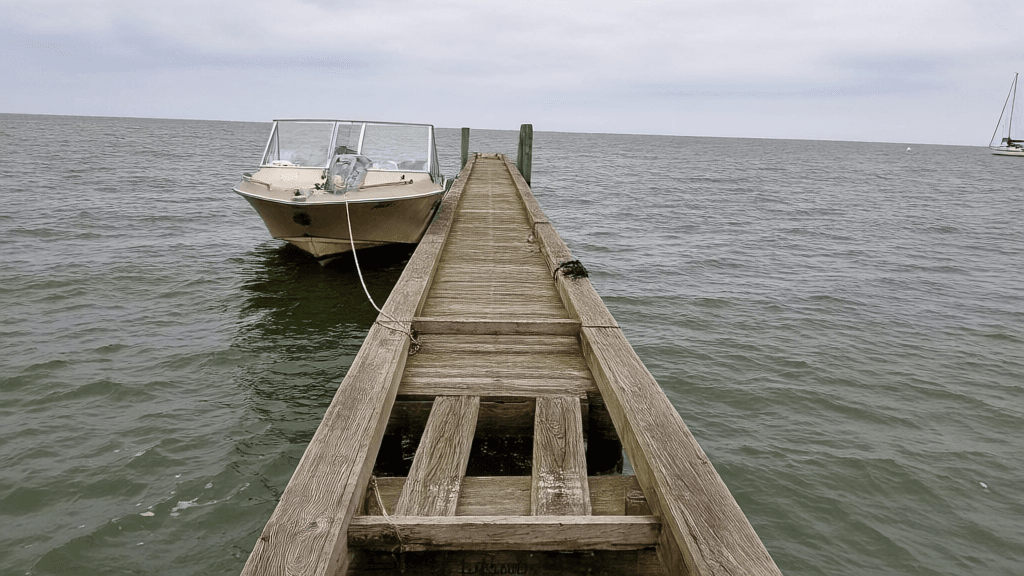
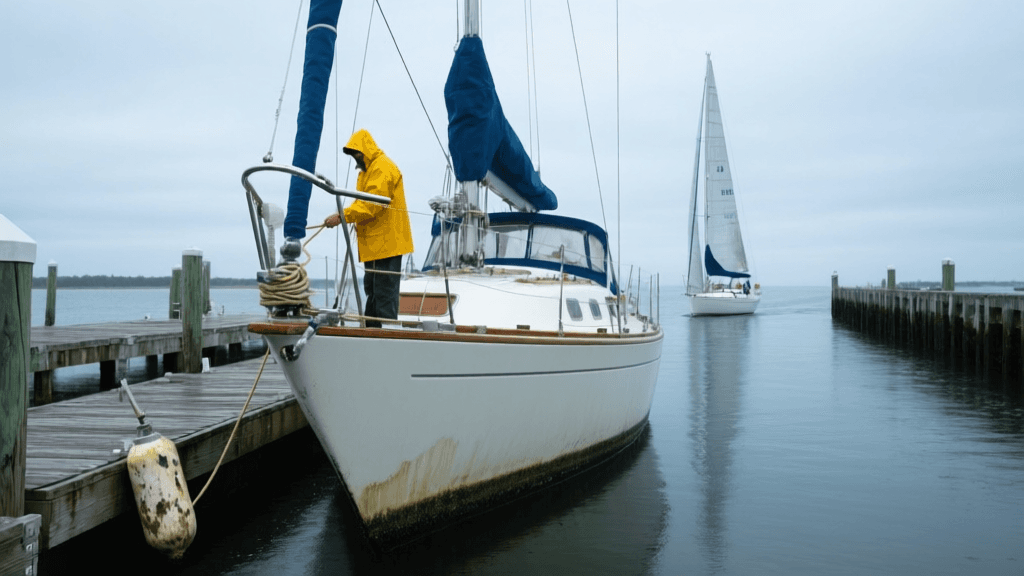
Property damage liability may apply when an insured operator is legally responsible for damage to someone else’s property. For example, a boat might drift into a dock during a strong crosswind, scrape a neighboring vessel while maneuvering in a tight slip, or cause damage after a collision in a channel. The owner may be asked to pay for repairs, cleanup, or other claimed losses, but the policy’s terms determine what qualifies and how much may be paid. Damage to your own boat is generally considered under physical damage coverage rather than liability coverage. Photograph the scene when safe, exchange contact and insurance details, and avoid promising payment or admitting fault before the facts are reviewed.
Choose Limits and Review Who Is Insured
A liability limit is the maximum amount a policy may pay for covered claims, subject to how the contract applies per accident, person, or property claim. A lower limit may be inadequate when several people are injured or substantial property damage is alleged. Ask how bodily injury and property damage limits are structured, whether defense expenses reduce the stated limit, and whether the policy offers an umbrella option that can extend liability protection. Also confirm who may operate the boat, whether occasional operators are covered, and whether the vessel’s size, engine, use, and storage location are accurately described. An owner who lets a friend take the boat out should never assume that permission alone guarantees coverage.
Understand Exclusions and Policy Conditions
Boat policies commonly contain exclusions or conditions that can affect a claim. Depending on the contract, issues may include racing, commercial use, intentional acts, operation by an unapproved person, or use outside stated navigation limits. Some policies may also set requirements involving safety equipment, winter storage, or notifying the insurer after a loss. These details vary, so the declarations page alone is not enough to understand the protection. Read the full policy and ask for plain-language explanations of any unfamiliar terms. If you keep a boat in one location but travel to different waters, confirm the navigation territory and any restrictions before leaving the harbor. Never rely on a general description of coverage when a specific exclusion could matter.
Local Considerations for Long Island Owners
Long Island boat owners may launch, dock, or store vessels in very different settings, from sheltered bays and neighborhood marinas to more exposed coastal waters. A boat kept near Huntington may encounter different traffic and weather patterns from one used around Massapequa or Wantagh, while owners in Plainview, Hicksville, Bethpage, Syosset, Woodbury, Jericho, Levittown, Farmingdale, and Melville may travel to several launch points. Tell the insurer how and where the boat is actually used, not just where it is registered or stored. Check current New York boating rules and local marina requirements, since legal obligations and facility contracts are distinct from the protection provided by an insurance policy.
Practical Checks Before You Go
Liability Coverage Checklist
- Review bodily injury and property damage limits, and ask how the policy applies when multiple people or vessels are involved.
- Confirm that the named insured, boat details, permitted operators, storage location, and navigation area are accurate.
- Ask whether medical payments, towing, physical damage, or umbrella coverage are separate options rather than assuming they are included.
- Keep required safety equipment aboard, brief passengers, observe no-wake zones, and maintain a safe distance from docks and other boats.
- After an incident, prioritize safety, contact emergency services when needed, document the scene when safe, and promptly notify the insurer.

How to Compare Coverage and Take the Next Step
When comparing boat liability options, use the same boat details, operator information, and coverage limits for each estimate so the results are easier to evaluate. Look beyond the price: compare deductibles for physical damage, liability limits, exclusions, navigation boundaries, operator rules, and whether defense costs may affect the available limit. Ask for written clarification of situations that matter to your boating plans, such as carrying guests, using a marina slip, or traveling beyond familiar Long Island waters. Keep the policy and emergency contact information accessible, and revisit coverage after changing boats, engines, operators, or usage. A careful review can help you select protection that matches your actual boating habits without treating any policy as a guarantee against every claim.
Review Your Boat Liability Options
Compare policy terms, limits, and exclusions with your Long Island boating plans before your next launch.
Get a Free Quote