What a Total Boat Loss Means
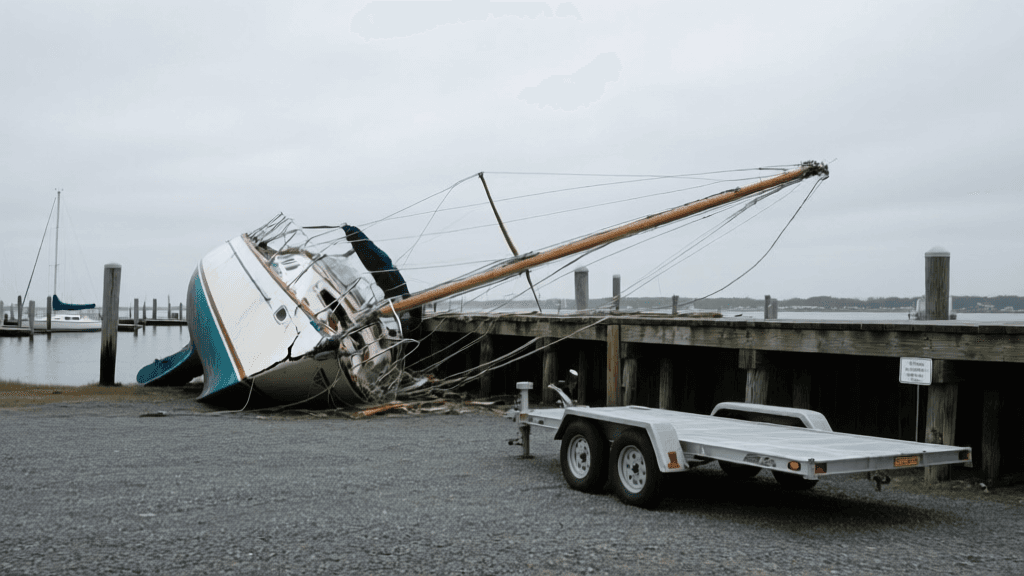
A total boat loss can follow a fire, collision, sinking, theft, or severe storm damage. For a Long Island owner, the immediate concern may be the vessel itself, but the claim process also raises practical questions: What information should be reported? How will the insurer value the boat? Does the policy provide an agreed amount, actual cash value, or another settlement basis? A total-loss decision generally means the insurer determines that covered damage or disappearance meets the policy’s definition for settling the vessel as a total loss. The exact threshold and payment calculation depend on the policy. This guide explains common stages and questions to discuss with the insurer.
Why the Claim Process Can Take Several Steps
After an incident, the insurer may need to confirm what happened, whether the loss is covered, the boat’s condition, and the value or applicable limit. Those tasks can involve interviews, a survey, repair estimates, ownership records, and information about the engine, electronics, trailer, and equipment. A vessel damaged while moored on Long Island may involve marina records or storm information; a boat reported missing may require additional documentation and time to investigate. Keep communication organized and respond to reasonable requests promptly. Do not assume that an initial estimate or verbal explanation is the final decision; ask for important determinations, valuation details, and next steps in writing.
Report the Loss and Protect People First
Start with safety. Contact emergency services or the appropriate authorities when there is danger, injury, fire, pollution, or a suspected crime, and do not board an unsafe vessel. Then notify the insurer as soon as practical using the claims instructions in the policy. Share the date, location, circumstances, vessel identification details, and any steps taken to prevent further damage. Photograph the scene and visible damage only when it is safe and lawful. Save marina notices, police or fire incident numbers, towing records, and receipts for reasonable emergency measures. Avoid discarding damaged equipment or authorizing major repairs before asking the claims representative how inspection and preservation should be handled.
Gather Records Before the Valuation Review
A useful claim file starts with proof of ownership and a clear description of the boat before the loss. Gather the bill of sale, registration, purchase paperwork, maintenance records, recent survey, photographs, and receipts for upgrades or replacement equipment. Record the hull identification number, engine details, model year, and trailer information if the trailer is insured under the policy. Create an inventory for electronics, safety gear, fishing equipment, and other items, while checking whether each category is covered separately or subject to a limit. Owners in places such as Huntington, Wantagh, and Massapequa may have different storage or marina records, but the same principle applies: organize documents by date and keep copies of everything submitted.
Understand How the Boat’s Value Is Determined
The settlement method is controlled by the policy wording, not simply by the price of a similar boat currently advertised. An agreed-value policy generally identifies an amount agreed to when coverage is written, subject to policy conditions, deductibles, and any applicable limits. An actual-cash-value approach may account for depreciation and the vessel’s condition immediately before the loss. The insurer may review comparable boats, model and equipment details, age, maintenance, and survey findings. If the proposed value appears inconsistent with the boat’s condition or documented upgrades, ask for the valuation report and the comparable listings or data used. Point out factual errors with supporting records, and ask how installed equipment and separately insured property are being handled.
Review the Settlement, Deductible, and Policy Limits
Before accepting a settlement, compare the insurer’s explanation with the declarations page and relevant policy provisions. Ask how the deductible is applied, whether the settlement includes the hull only or insured equipment and trailer as well, and whether salvage, storage, towing, or emergency expenses affect the payment. Coverage for personal belongings, fishing gear, pollution cleanup, or wreck removal can be subject to separate terms and limits. A total-loss payment is not automatically the same as the original purchase price or the cost of a new boat. If a number is unclear, request an itemized calculation and ask what documents would be considered in a review. Keep notes of calls, dates, names, and any deadlines communicated.
Long Island Conditions Can Shape the Details
Long Island boat losses can involve varied settings, from sheltered marina slips to open-water routes around the South Shore, North Shore, and nearby bays. Storm surge, wind, grounding, collision, and theft each create different evidence and reporting needs. The marina or storage facility may have incident reports, surveillance, haul-out records, or communications that help establish the timeline, so request copies when appropriate. Owners around Plainview, Hicksville, Bethpage, Syosset, Woodbury, Jericho, Levittown, Farmingdale, and Melville may store boats away from the water and should still check whether the policy’s navigation, storage, and transport provisions apply. New York requirements and local authorities may also be relevant to registration, reporting, or environmental response, depending on the event.
Key Questions to Ask During the Claim
Claim Review Checklist
- Ask what policy provision defines a total loss and what information is still needed to make that determination.
- Request the valuation method, supporting report, deductible calculation, and a breakdown of any separate equipment or trailer amounts.
- Confirm whether towing, storage, emergency protection, salvage, or wreck removal expenses are covered and what approval is required.
- Ask whether you should retain, transfer, or release the damaged vessel and whether signing a document affects ownership or salvage rights.
- Clarify how to submit additional records, dispute factual errors, and track deadlines or appeal and review procedures.

Plan a Replacement Without Rushing
Once the likely settlement and timing become clearer, consider what a replacement boat needs to do rather than focusing only on matching the old purchase price. Think about the waters you use, passenger capacity, storage, towing, engine type, and the equipment required for your usual activities. Check the cost and availability of comparable vessels, but do not treat online asking prices as guaranteed market value. Before committing to a purchase, confirm how and when a new vessel can be insured, whether the policy requires updated details or a survey, and whether any temporary coverage applies. Replacement-cost or new-boat provisions, if available, have specific eligibility rules and should never be assumed. Keep the new boat’s bill of sale, photographs, and equipment inventory from the start.
Practical Next Steps for Long Island Owners
A steady process can make a difficult loss easier to manage: report it promptly, prioritize safety, preserve records, and ask for the policy basis behind each major decision. Review the final settlement documents carefully, especially any release, salvage transfer, or statement that the payment resolves particular parts of the claim. If there is a disagreement, explain it with specific evidence and ask about the insurer’s formal review process; consider qualified legal or insurance advice for complex disputes. When shopping for a replacement, compare policy limits, valuation provisions, deductibles, navigation terms, and coverage for equipment—not just premium. The right questions help Long Island boat owners make informed decisions before returning to the water.
Compare Boat Coverage Before Your Next Season
Review policy valuation terms, deductibles, equipment limits, and replacement provisions before choosing coverage for another boat.
Get a Free Quote