Why Boat Belongings Deserve Their Own Protection Plan
A phone left on a cockpit seat, fishing gear stored in an unlocked compartment, or a bag taken from a docked boat can turn a relaxing Long Island outing into an expensive problem. Personal belongings aboard a boat may not be treated the same way as the vessel itself, and coverage can depend on the policy wording, the item, where it was kept, and how the loss occurred. Before the boating season gets busy, make a practical plan for what goes aboard and how it will be protected. This guide covers inventory, theft prevention, claim documentation, and policy questions worth resolving before you leave the dock.
What Counts as Personal Effects on a Boat?
Personal effects generally means movable belongings brought aboard for use or enjoyment, such as clothing, sunglasses, portable electronics, fishing tackle, and coolers. It does not automatically mean every item is covered. A policy may distinguish personal property from permanently installed equipment, safety gear, the boat’s machinery, or items used for business. Some belongings may also be insured under a homeowners or renters policy, but that coverage can have special limits for property away from home or on a watercraft. For example, a portable GPS unit and a mounted navigation system may fall into different categories. Check the policy definitions and ask how each important item is classified rather than relying on the everyday meaning of “personal belongings.”
Build an Inventory Before Items Go Aboard
Start with a simple inventory that records each valuable item, its make and model, approximate purchase date, and estimated replacement cost. Photograph the item and, when useful, its serial number or identifying mark. Save receipts for higher-value electronics, rods and reels, safety equipment, and other gear that would be difficult to replace. Keep a copy of the inventory somewhere separate from the boat, such as secure cloud storage or a home computer. If you take different equipment on different trips, note what is normally stored aboard and what is carried home. A dated record gives you a clearer basis for discussing limits and can make it easier to describe a loss accurately.
Reduce Theft Opportunities at the Dock and on the Water
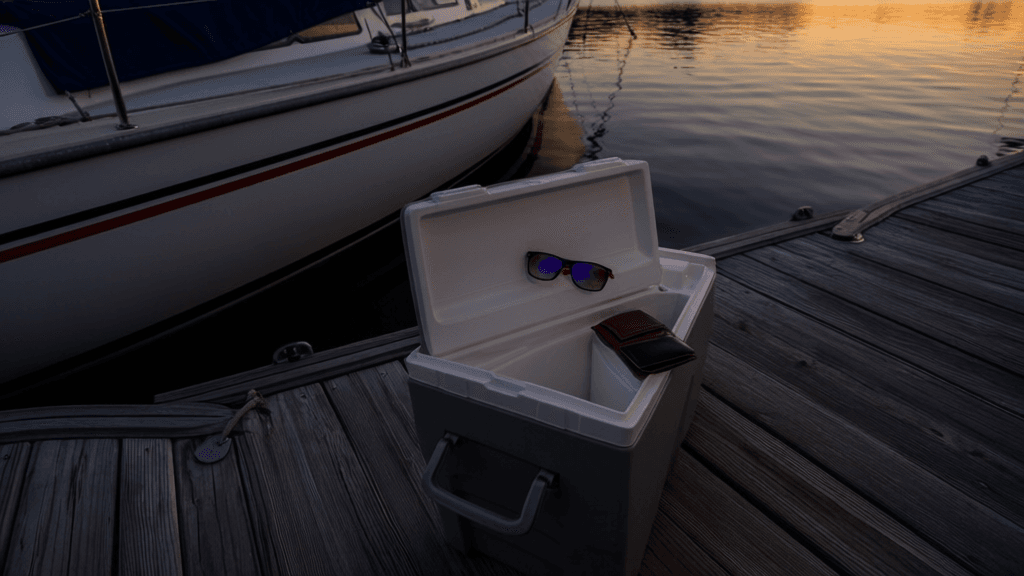
The simplest theft-prevention step is to avoid leaving attractive items visible. Store phones, wallets, cameras, and portable electronics in a locked cabin or secured compartment when they are not in use. Take especially valuable or easily carried gear home after a trip instead of treating the boat as permanent storage. Lock access points when the vessel is unattended, and consider whether a hidden tracking device or marked equipment is appropriate for higher-value belongings. At busy marinas and launch areas across Long Island, also keep an eye on bags while loading and unloading. These steps cannot guarantee that theft will not happen, but reducing visibility and access can make casual opportunity theft less likely.
Understand Limits, Deductibles, and Coverage Conditions
A policy may set a separate personal-effects limit, a per-item cap, or a deductible that affects what you could recover after a covered loss. The amount shown for the boat itself is not necessarily available for every item carried aboard. Ask whether coverage applies while belongings are on the vessel, being loaded, temporarily ashore, or stored elsewhere, and whether a theft claim requires signs of forced entry or a particular level of security. Also clarify whether reimbursement is based on actual cash value, which may account for depreciation, or replacement cost when that option applies. A short policy review can reveal whether your current limits are realistic for the gear you actually bring aboard.
Read Exclusions and Keep Proof of Ownership
Coverage can be limited or unavailable in situations described by exclusions, so look beyond the declarations page. Policies may treat unattended property, gradual deterioration, unexplained disappearance, unattended vessels, or business equipment differently; exact wording varies, and none of these examples should be assumed to apply to every policy. Ask for clarification about belongings left aboard overnight, property damaged by water, and items used for fishing or other paid work. If a theft or damage incident occurs, promptly record what happened, when and where you discovered it, and which items are missing or damaged. Photograph the scene before moving things when practical, preserve receipts and serial numbers, and follow the insurer’s reporting instructions. Accurate records are more useful than estimates made long after the event.
Why Long Island Boaters Should Plan for Changing Trips
Long Island boating can mean short trips from a local marina, a day near the South Shore, or time spent moving between different harbors and launch points. Belongings may be exposed to crowds during busy summer weekends, left aboard between outings, or carried ashore during a stop. The same storage routine may not suit every trip: a fishing excursion can involve specialized tackle, while a family day may bring phones, bags, and spare clothing. Residents of Plainview, Hicksville, Bethpage, Syosset, Woodbury, and nearby communities may keep a boat at a different location from home, so consider who can access it and how gear is stored when nobody is aboard. Match prevention and policy questions to your real routine.
A Practical Personal-Effects Checklist
Before Your Next Outing
- Create a dated list of valuable belongings, with photos, model details, serial numbers, and receipts when available.
- Check the policy for personal-effects limits, per-item caps, deductibles, valuation rules, and any relevant theft conditions.
- Store portable valuables out of sight in a locked compartment, and take high-value items home when the boat will be unattended.
- Keep inventory records away from the vessel and update them when equipment is added, replaced, or removed.
- Know how to report a loss and what records or photographs may help explain what happened.

Review Your Coverage Before the Season Gets Busy
Set aside time before your next trip to compare your inventory with the policy’s actual personal-property language. Write down the belongings you would most need to replace, then ask whether each is covered aboard, whether a special limit applies, and what deductible or proof requirements matter. If a homeowners or renters policy may also respond, confirm how the two policies coordinate rather than assuming both will pay. Boaters around Huntington, Massapequa, Wantagh, Farmingdale, Melville, and other Long Island communities can use the same review process even when storage arrangements differ. Clear answers now can help you decide whether to change storage habits, adjust available coverage, or keep better records.
Make Your Boat Belongings Easier to Protect
Inventory your gear, secure portable valuables, and ask a qualified insurance professional to explain the limits and conditions in your policy.
Get a Free Quote