What Boat Personal Effects Coverage Can Mean
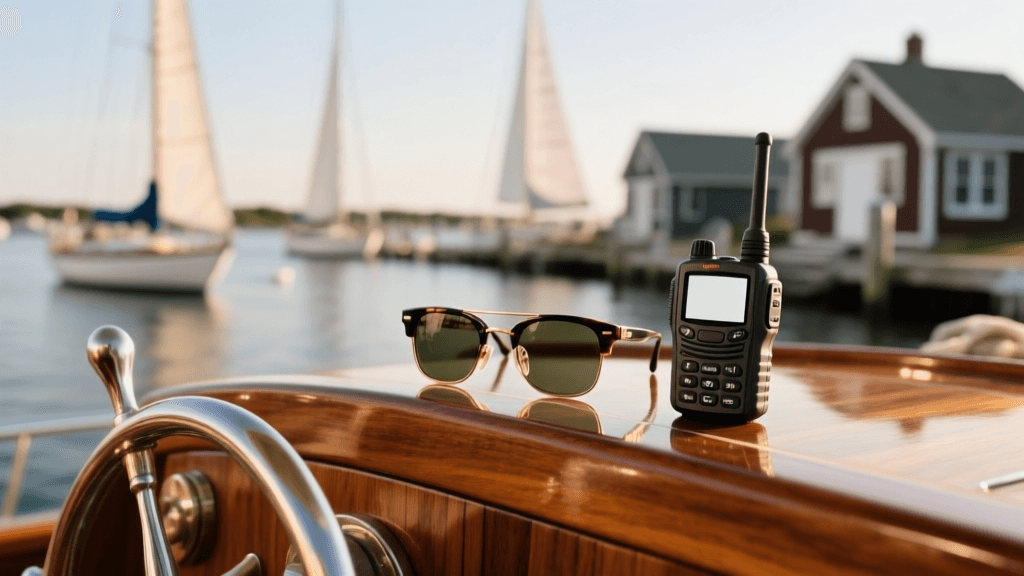
A day on the water often involves more than the boat itself. Passengers may bring phones, sunglasses, clothing, fishing equipment, binoculars, and other belongings aboard, while the owner keeps safety and navigation gear on hand. Boat personal effects coverage may help pay for covered belongings that are damaged or stolen, subject to the policy’s terms. The important question is not simply whether a policy includes this coverage, but how much protection it provides for each loss and each type of property. For Long Island boaters, reviewing these details before the season can clarify whether a policy matches the gear regularly carried aboard.
Why Limits and Deductibles Deserve a Seasonal Review
A policy limit is the maximum amount available for a covered loss, while a deductible is the amount the insured generally pays before eligible claim benefits apply. Personal effects may have a separate limit that is lower than the boat’s insured value, and some policies apply item-specific or category sublimits within that amount. Those distinctions matter when several belongings are lost in one event. A sudden storm, theft from a docked boat, or mishap while loading equipment can involve more than one item. Before launching in Long Island Sound, Great South Bay, or nearby waters, check the declarations and policy wording rather than assuming every personal item shares one broad limit.
Check the Sublimits, Not Just the Headline Amount
A sublimit is a smaller maximum that applies to a particular kind of property, even when the overall personal effects limit is higher. For example, a policy could offer a general belongings limit but cap payment for certain valuables, electronics, fishing equipment, or items used for business. The exact categories and amounts vary by insurer and policy, so examples should never replace checking the contract. Make a list of what typically goes aboard, then compare each category with the stated limits. A family cruising from Huntington or Wantagh may carry different equipment from an angler launching near Massapequa. A realistic inventory makes it easier to spot a shortfall before a claim.
Understand How the Deductible Applies
Ask whether the personal effects deductible is separate from the hull deductible or shared with other covered property. Also check whether the deductible applies once per occurrence or differently across categories; the policy language controls. Consider a hypothetical loss involving several eligible items after one incident. If the combined value is modest and close to the deductible, filing may not lead to a meaningful payment, while a larger loss could make the coverage more useful. This is not a reason to avoid reporting a loss when required. It is a reason to understand the cost-sharing arrangement in advance and consider how the deductible fits the value of the belongings normally aboard.
Value Gear and Keep Useful Proof
Do not rely on memory to estimate what belongings are worth. Create an inventory with the item description, purchase date, approximate current value, and identifying details such as serial numbers for electronics. Keep receipts, order confirmations, warranty records, and clear photographs in a secure location separate from the boat. Ask whether a claim is settled using actual cash value, replacement cost, or another method, since depreciation and proof requirements can affect payment. For expensive rods, cameras, portable electronics, or specialized equipment, save documentation before the boating season begins. A simple digital record can make it easier to explain ownership and condition if property is damaged, lost, or stolen.
Review Exclusions and Where Coverage Applies
Personal effects coverage is not a promise that every item is protected in every situation. Policies may exclude or restrict property such as cash, jewelry, business equipment, items left unattended, or belongings owned by guests, but exclusions differ. There may also be conditions involving theft, reasonable care, navigation territory, or whether property was aboard the vessel when the loss occurred. Check how the policy treats gear stored at a marina, transported in a vehicle, or taken ashore. Long Island boaters may move equipment between home, vehicle, dock, and boat throughout a trip, so knowing where coverage follows the item can be just as important as knowing the dollar limit.
Long Island Boating Habits Can Shape the Review
Long Island’s mix of bays, harbors, marinas, and open-water routes means a boat’s contents can change from outing to outing. A fishing trip may involve tackle and electronics, while a family day on Great South Bay may bring phones, bags, and extra clothing. Owners based in Plainview, Hicksville, Bethpage, Syosset, Woodbury, Jericho, Levittown, Farmingdale, or Melville may store gear at home and carry it to a launch or marina. That routine is worth describing when asking how a policy responds to theft or damage away from the boat. Local boating plans do not change policy language, but they help make a coverage review specific and useful.
A Practical Personal Effects Review
- List the belongings regularly carried aboard and estimate their current replacement values, rather than relying only on original purchase prices.
- Compare the total limit and every relevant sublimit with the inventory, paying special attention to electronics and specialized fishing or safety equipment.
- Confirm the deductible, how it applies to a loss, and whether valuation uses replacement cost, actual cash value, or another stated method.
- Photograph valuable items and store receipts, serial numbers, and policy documents somewhere accessible even if the boat or phone is unavailable.
- Ask about exclusions and coverage away from the vessel, including belongings stored at a marina, transported in a vehicle, or owned by guests.

What to Do Before Your Next Outing
Set aside time to read the personal effects section, declarations, endorsements, and exclusions in the boat policy. Compare its limits and deductible with a written inventory, then ask an insurance professional to explain any unclear wording or whether high-value property needs scheduled coverage, a separate policy, or another solution. Do not assume homeowners or renters insurance will fill a gap; those policies have their own terms, limits, and off-premises rules. If your gear or boating routine has changed, request an updated review before the next trip. A careful check can help you make an informed decision about coverage, documentation, and what to leave ashore.
Review Your Boat Gear Coverage
Compare your inventory with the policy’s limits, deductible, valuation terms, and exclusions before taking valuable belongings on the water.
Get a Free Quote