Why Eligibility Matters Before You Apply
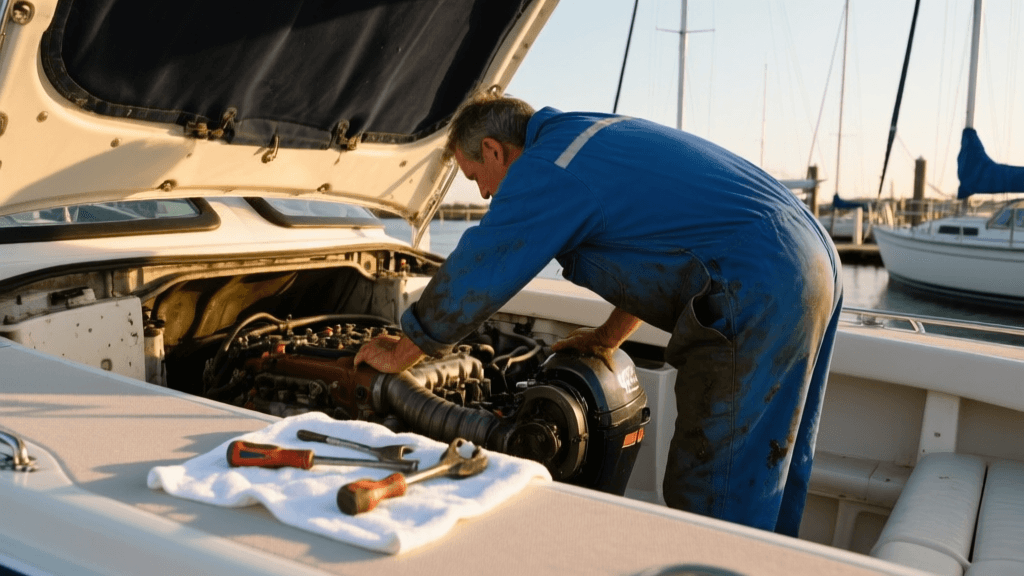
Mechanical breakdown protection can sound straightforward: if an engine or other covered component fails, the policy may help pay for repairs. In practice, eligibility and coverage depend on the specific contract, the boat’s condition, and the cause of the failure. For Long Island owners, checking those details before the boating season can prevent surprises when a repair is urgent. A boat used on Great South Bay, Long Island Sound, or the ocean can face very different operating demands, but the insurer will still want precise information about the vessel. This guide explains what to gather and which questions to ask before comparing options.
What Mechanical Breakdown Protection Usually Means
Mechanical breakdown coverage is generally intended for certain sudden failures of covered machinery, subject to policy definitions, limits, and exclusions. It is not automatically the same as routine maintenance, a manufacturer’s warranty, or broad protection for every repair. For example, a sudden internal engine failure may be treated differently from a worn belt, corrosion, or damage connected to skipped service. Boat insurance policies vary, and some offer machinery protection as an optional feature rather than standard coverage. Ask for the actual terms, including the covered components, deductible, maximum payment, and whether labor, hauling, or diagnosis costs are included. A clear definition matters more than the label.
Vessel Age, Engine Hours, and Type Can Affect Eligibility
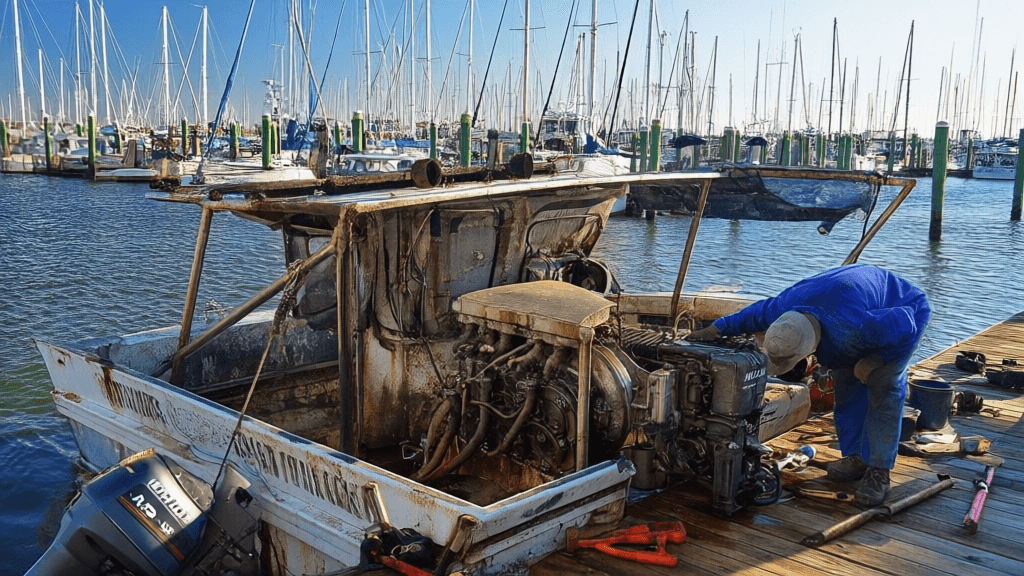
Insurers may consider the boat’s model year, engine age, accumulated hours, value, and intended use. A newer outboard-powered runabout may be evaluated differently from an older inboard cruiser or a boat with multiple engines. There is no universal age cutoff: one provider may restrict older machinery, while another may consider the boat after reviewing its condition. Be ready to identify the hull year, make and model, engine manufacturer, serial number, fuel type, propulsion system, and approximate engine hours. If the boat is used commercially, for chartering, or for frequent offshore trips, say so when requesting information. Accurate details help avoid an eligibility decision based on incorrect assumptions.
Maintenance Records Help Tell the Boat’s Story
A consistent service history can help show that the boat has been maintained, though records do not guarantee acceptance or coverage for a future failure. Save invoices for oil and filter changes, cooling-system service, impeller replacement, repairs, and manufacturer-recommended maintenance. Include winterization and spring commissioning records, especially in a region where many boats are stored ashore during colder months. If you bought a used boat, gather any paperwork from the prior owner and note gaps honestly rather than guessing. For an engine that has had a major repair, keep the diagnosis and parts documentation. Organized, dated records make it easier to answer questions and may help distinguish a new failure from a pre-existing problem.
Inspections and Pre-Existing Conditions
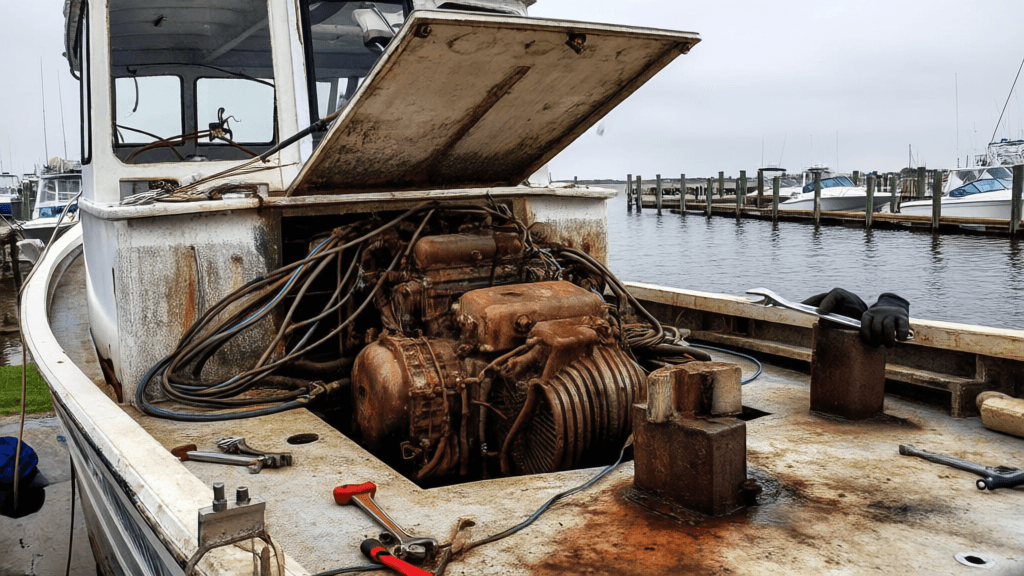
An insurer may ask for a marine survey, engine inspection, photographs, or repair documentation before deciding whether a boat qualifies. Requirements can depend on age, value, purchase circumstances, and the information supplied with the application. A survey may review hull condition and onboard systems, while a mechanic may focus on the engine and propulsion equipment; these are not always interchangeable. Ask who can perform an acceptable inspection, how recent it must be, and whether recommendations need to be completed before coverage starts. Report known warning lights, leaks, overheating, unusual noises, or unresolved repairs. A policy generally should not be treated as a way to pay for a defect that existed before the effective date.
Ask About Exclusions, Limits, and How Claims Work
Eligibility is only one part of the decision. Before selecting protection, ask what machinery is covered and whether the policy excludes gradual deterioration, corrosion, lack of maintenance, overheating, fuel contamination, or failures caused by an uncovered component. Find out whether there is a waiting period, a per-claim limit, an annual maximum, or a separate deductible. Ask whether the insurer must approve a repair before work begins and whether you can choose a marine repair facility. On Long Island, a disabled boat may also involve towing, haul-out, storage, and diagnostic expenses; do not assume those costs fall under mechanical breakdown protection. Confirm which policy section, if any, addresses them.
Local Considerations for Long Island Boat Owners
Long Island’s boating season brings a mix of saltwater exposure, seasonal storage, busy marina schedules, and varied routes between sheltered bays and open water. Salt and moisture can contribute to corrosion, while winter layup makes proper storage and recommissioning particularly relevant to a boat’s maintenance record. Owners in Plainview, Hicksville, Bethpage, Syosset, Woodbury, and nearby communities may keep boats at marinas or launch points farther south or along the Sound, so the boat’s actual location and usage should be described accurately. Ask whether the protection applies while the boat is in the water, stored ashore, or being transported. Local operating patterns do not determine eligibility by themselves, but they make precise answers about use and storage especially useful.
What to Gather Before Asking About Eligibility
- Write down the hull year, make, model, engine type, serial number, and approximate engine hours so the boat can be identified accurately.
- Collect service invoices, winterization and commissioning records, repair history, and any prior inspection or survey reports.
- List known mechanical issues and recent repairs, and ask whether an inspection or corrective work is required before coverage can begin.
- Request written details about covered parts, exclusions, deductibles, limits, waiting periods, and claim approval procedures.

Practical Next Steps Before Comparing Options
Start by describing the boat as it is today, including its machinery, hours, storage arrangement, and typical use. Then compare the written eligibility requirements and policy wording rather than relying only on a short product summary. If an inspection is requested, ask what it must cover and whether any recommendations affect approval. When discussing a possible claim, clarify how the provider determines whether a failure was sudden, mechanical, or related to wear, maintenance, or a pre-existing condition. Boat owners in Huntington, Massapequa, Wantagh, Farmingdale, Melville, and other Long Island communities can use the same preparation steps regardless of where the vessel is kept. Careful questions now can make it easier to understand both the protection offered and the costs that remain the owner’s responsibility.
Review Your Boat’s Eligibility Details
Gather your vessel specifications and maintenance records, then compare written coverage terms before choosing mechanical breakdown protection.
Get a Free Quote