Start With Safety and Clear Documentation
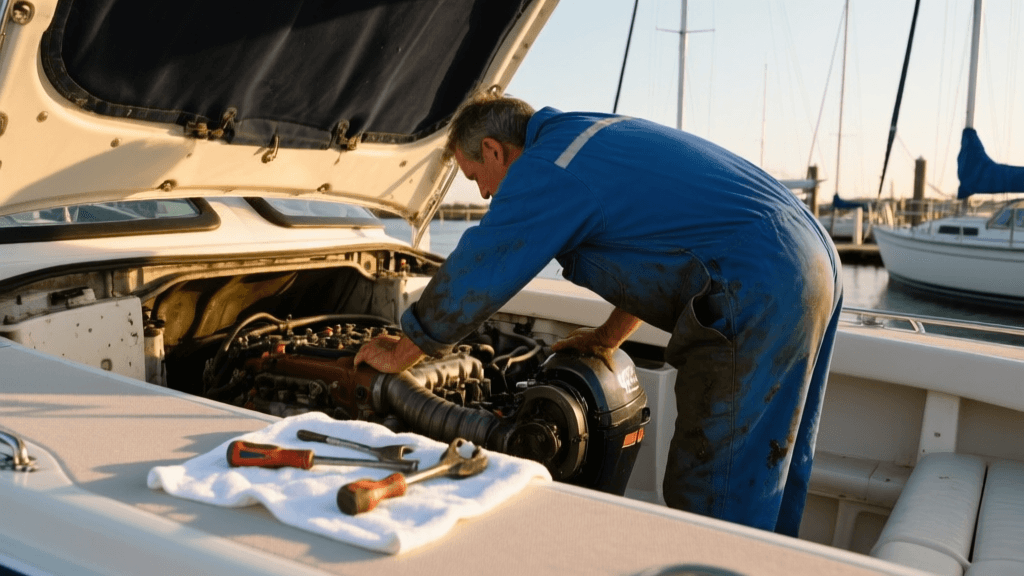
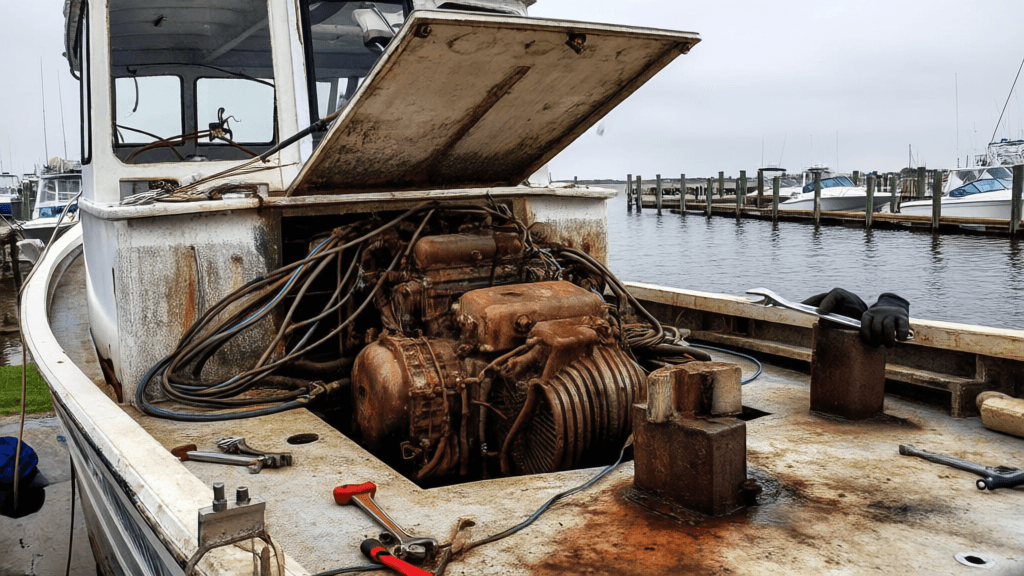
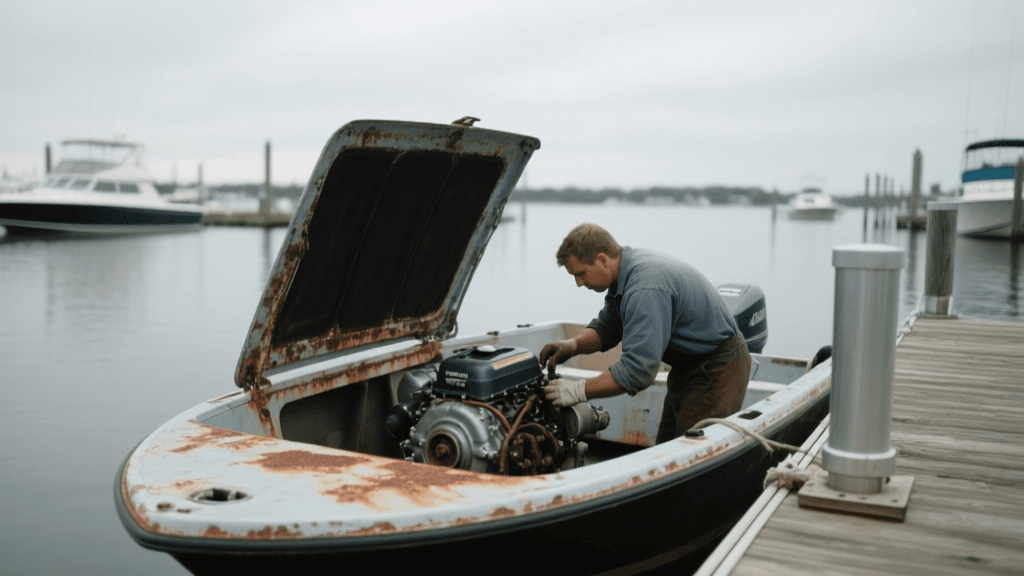
When a boat engine fails near Long Island, safety comes first; claim paperwork can wait until everyone is secure. Follow navigation and emergency procedures, call for assistance if needed, and avoid repeatedly restarting an engine that is overheating, losing oil pressure, or making unusual noises. Once the boat is safe, record the date, approximate time, location, weather, operating conditions, and what happened immediately before the failure. Take clear photos or video of warning lights, gauges, visible leaks, the engine compartment, and any resulting damage. These details help establish the sequence of events. A sudden failure while cruising is different from a problem noticed during routine maintenance, so write down observations rather than guessing at the cause.
Why the Cause of Failure Matters
Boat insurance does not automatically pay for every engine repair. A policy may cover resulting damage from a sudden, accidental event, subject to its language, limits, deductible, and exclusions. By contrast, gradual deterioration, corrosion, neglected maintenance, or a worn component often falls under the owner's maintenance responsibility. Mechanical breakdown coverage, when available, is a separate protection with its own terms and eligibility rules; it should not be assumed to be included in every boat policy. On Long Island, boats may experience heavy seasonal use, winter storage, and exposure to saltwater, all of which make maintenance history especially relevant. The adjuster or insurer evaluates the facts and policy, not simply the size of the repair bill.
Notify the Insurer Before Authorizing Major Repairs
Review your policy for the claim-reporting instructions and contact the insurer promptly after a significant breakdown. Give a concise, factual account and ask what documentation is needed, whether an inspection is required, and whether the boat should be moved or stored in a particular way. Do not promise that a cause is certain before a qualified mechanic has inspected it. If immediate work is necessary to prevent further damage or make the vessel safe, keep receipts and photograph the condition before and during the work. For non-emergency repairs, ask before authorizing teardown or replacing major parts; the insurer may want to inspect the engine or review diagnostic findings first. Save the claim number and note whom you spoke with and when.
Build a Useful Service and Ownership Record
Gather maintenance invoices, winterization records, storage agreements, prior repair orders, and receipts for parts or fluids. Include the boat's make, model, year, engine details, and available serial numbers, along with the date and engine hours at the most recent service. A mechanic's notes can be particularly helpful when they distinguish an abrupt component failure from long-term wear, contamination, overheating, or corrosion. If records are incomplete, do not fill gaps with estimates presented as facts. Instead, identify what you know, contact prior service providers for copies, and explain what is unavailable. Well-organized records can help show how the boat was maintained and give the claim reviewer a clearer timeline, though they do not guarantee that a loss will be covered.
Get a Detailed Diagnosis and Repair Estimate
Ask a qualified marine mechanic for a written diagnostic report, not only a total price. A useful report describes the symptoms, tests performed, failed parts, likely cause, and any damage that followed the initial failure. Request an itemized estimate separating labor, parts, haul-out or transport, diagnostic fees, and any recommended work that is unrelated to the incident. If the repair shop finds additional damage after opening the engine, ask for photos and a supplemental estimate before proceeding when practical. Compare the estimate with your deductible and policy limit, and ask whether the insurer needs to approve the scope of work. On a crowded summer schedule, availability can affect repair timing, so document delays and steps taken to keep the vessel secure.
Understand Wear and Tear Versus Sudden Damage
Wear and tear generally refers to deterioration that develops through ordinary use or age, such as a worn belt, corroded fitting, or component that has reached the end of its service life. Maintenance means routine care intended to keep equipment operating, including inspections and service recommended by the manufacturer. A sudden breakdown describes an abrupt event, but sudden timing alone does not establish coverage: the underlying cause and the policy wording still matter. For example, an engine that stops after a documented, unexpected component failure may require a different review from one that overheats after a cooling system has gradually clogged. Ask the mechanic to separate the failed part from any consequential damage, and ask the insurer to explain how the relevant policy provisions apply.
Local Considerations for Long Island Boat Owners
Long Island boat owners may keep vessels in different conditions, from seasonal marina slips to trailers and winter storage, and those arrangements affect what records and logistics matter after a breakdown. A boat kept near Huntington or Massapequa may face different service and haul-out arrangements from one stored inland near Plainview, Hicksville, or Farmingdale. Saltwater exposure, winterization, spring recommissioning, and busy warm-weather repair schedules can all shape the timeline and evidence available. Keep marina communications, towing or launch receipts, and storage records with the claim file. If the vessel must be moved, ask the insurer how to document the move and preserve any damaged parts. Local circumstances help explain the event, but the policy and verified cause remain central to the coverage decision.
A Practical Claim File Checklist
Documents and Details to Organize
- Create a dated incident summary with the location, conditions, engine hours, warning signs, and actions taken.
- Save photos and videos of the boat, gauges, visible damage, and relevant parts before repairs change the condition.
- Collect the policy, claim number, maintenance invoices, winterization records, and prior repair documentation.
- Request a written mechanic's diagnosis and itemized estimate that separates the suspected cause from resulting damage.
- Keep receipts for towing, storage, inspections, emergency work, and other expenses, and record insurer communications.

Decide What to Do Next
Before approving a major repair, confirm the insurer has received notice and ask whether an inspection or additional documentation is needed. Read the declarations and applicable policy provisions for deductibles, limits, exclusions, and any mechanical breakdown endorsement. If the claim decision is unclear, request the explanation in writing and ask which facts or policy terms drove the result. Keep copies of every estimate and updated report, and avoid discarding replaced parts until the insurer says they are no longer needed. For future trips, follow the engine maker's service schedule, keep maintenance records together, and check that the boat's protection matches its age, use, storage, and equipment. Careful preparation cannot guarantee payment, but it can make the review more accurate and help you make informed repair decisions.
Review Your Boat Coverage Before the Next Trip
Compare policy terms and ask a licensed insurance professional how mechanical breakdown, maintenance exclusions, and claim reporting apply to your boat.
Get a Free Quote