

What Liability Coverage Means for Boat Owners in Long Island, NY
Liability coverage is the part of a boat insurance policy that helps pay when a boat owner is legally responsible for bodily injury or property damage to someone else. In practical terms, that can include a collision with another vessel, damage to a dock, injuries to a passenger on another boat, or legal defense costs if a claim turns into a lawsuit. For people boating in Long Island, NY, this coverage matters because local waters can be crowded, navigation can be tight around marinas and channels, and even a low-speed incident can become expensive quickly. Boat owners in Long Island and nearby communities such as Plainview, Hicksville, and Bethpage often look to liability coverage as the financial protection that stands between a mistake on the water and a major personal loss.
Why Liability Coverage Matters in Long Island, NY
Long Island, NY presents boating conditions that make liability protection especially important. Traffic increases during warm-weather weekends, marina areas can be congested, and changing weather off the coast can affect visibility and control. Wind, wakes, tides, and close quarters near slips or fuel docks can all increase the odds of accidental damage. Even inland residents from Syosset, Woodbury, Jericho, or Levittown who trailer boats to launch points face the same local exposure once they hit the water. New York boating rules, operator responsibility standards, and the possibility of injury claims all raise the stakes. Liability coverage is not just a policy add-on in Long Island; it is a core safeguard for anyone who wants to boat responsibly in a region with heavy seasonal use and valuable waterfront property.
What Liability Coverage Typically Covers
Boat liability coverage generally pays for third-party bodily injury, third-party property damage, and legal defense related to a covered boating incident. If a boat strikes another vessel, the policy may help pay to repair that vessel. If a passenger on another craft is hurt and the insured operator is found responsible, liability coverage may help with medical costs, settlements, or court judgments up to the policy limit. It can also apply to damage involving docks, pilings, ramps, or marina property. Some policies include fuel spill or wreck removal options through endorsements, while others treat those separately. Boat owners in Long Island, NY should always review exclusions, because liability coverage usually does not pay for damage to the insured’s own boat, normal wear, or intentional acts. Coverage terms can vary depending on boat type, horsepower, usage, and navigation territory.
Key Benefits of Boat Liability Coverage
- Helps pay for injuries to other people when the insured boat operator is legally responsible
- Can cover damage to another boat, dock, lift, pier, or marina property after a covered incident
- Often includes legal defense costs, which can be significant even for smaller boating accidents
- Supports responsible boating in crowded Long Island waters where traffic and docking risks are higher
- Can be tailored with higher liability limits for larger boats, higher-value exposures, or frequent use

Factors Affecting Liability Coverage Rates in Long Island, NY
Rates for liability coverage in Long Island, NY depend on several details, including the type and size of the boat, engine horsepower, age of the vessel, storage method, boating experience, claims history, and how often the boat is used. A fast performance boat usually brings different liability exposure than a small fishing boat or pontoon. Location matters too. Boats kept near high-traffic coastal areas or busy marinas may present more risk than boats used less often or launched in quieter settings. Insurers may also look at whether the operator completed a boating safety course, whether teen operators are involved, and whether the policy includes broad navigation limits. For residents of Farmingdale, Melville, Huntington, Massapequa, and Wantagh who boat regularly around Long Island, premium differences often come down to real-world risk rather than just the boat’s market value.
How Boat Liability Claims Work
A boat liability claim usually starts with prompt notice to the insurer after an accident. The boat owner should document the scene, gather names and contact information, take photos if possible, and report any injuries or property damage clearly. In Long Island, NY, a claim may involve another boat owner, marina operator, passenger, or waterfront property owner. After the report is filed, an adjuster reviews statements, photos, repair estimates, police or marine patrol reports if available, and any applicable New York boating regulations. If liability is disputed, the investigation can take longer. If the insured is legally responsible, the policy may pay covered damages up to the limit and may also provide defense if a lawsuit is filed. Fast, accurate reporting is one of the best ways to keep a claim from becoming more complicated than it needs to be.
Common Liability Coverage Mistakes and Misconceptions
One common mistake is assuming home insurance automatically covers boating liability in all situations. Some homeowners policies offer very limited protection for small boats, but they often do not provide the broader liability terms needed for larger vessels, marina use, or higher-speed operation. Another misconception is that low limits are enough because boating accidents are rare. In Long Island, NY, damage to another vessel, injuries to multiple passengers, or repairs to waterfront structures can create costs that exceed basic limits quickly. Some owners also confuse physical damage coverage with liability coverage, but they serve different purposes. Liability protects against harm caused to others, while hull or physical damage coverage protects the insured boat itself. Reviewing exclusions, operator restrictions, and navigation limits is essential so there are no surprises after an accident.
Choosing the Right Liability Coverage Level in Long Island, NY
The right liability limit depends on the boat, where it is used, how often it carries passengers, and the financial risk of an accident. A boat that regularly operates in busy Long Island waters may need stronger limits than a lightly used vessel that stays in lower-traffic areas. Boat owners should think about the value of nearby boats, docks, and marina property, as well as the potential severity of injury claims. Higher limits may be especially important for larger boats, wake-generating craft, or operators who host friends and family often. Deductibles usually apply more to physical damage than liability, so the main decision here is often the amount of protection needed. Comparing limits side by side and reviewing umbrella policy options can help Long Island boat owners avoid being underinsured when a serious claim happens.
Getting Boat Liability Coverage in Long Island and Nearby Areas
Getting covered starts with a few core details: the boat’s year, make, model, horsepower, intended use, storage location, and operator history. A quote for liability coverage in Long Island, NY should also reflect where the boat is used, whether it is trailered, whether it stays in a marina, and whether additional protections such as uninsured boater coverage or fuel spill options are needed. The review process should be simple and focused on matching limits to local boating conditions, not just producing the lowest premium. Boat owners in Long Island and surrounding communities including Plainview, Hicksville, Bethpage, Syosset, Woodbury, Jericho, Levittown, Farmingdale, Melville, Huntington, Massapequa, and Wantagh can compare options based on coverage strength, exclusions, and claims support. The goal is straightforward: liability protection that fits how and where the boat is actually used.
Answers to Boat Insurance Basics
The cost depends on the boat type, horsepower, usage, claims history, and chosen liability limits. In Long Island, NY, rates can also reflect crowded waterways, marina exposure, and seasonal boating patterns, so the best way to estimate cost is to compare quotes using the same limits and coverage features.
Boat liability coverage generally pays for injuries or property damage caused to other people when the insured boat owner is legally responsible. That can include another boat, a dock, marina property, passenger injuries, and legal defense costs after a covered incident.
Yes, liability coverage is strongly recommended for most boat owners in Long Island, NY because boating accidents can lead to expensive injury and property damage claims. It is especially important in busy local waterways where traffic, docking, and weather conditions can increase the chance of a loss.
Start by gathering your boat details, operator information, storage setup, and planned usage. Then compare policy options for Long Island, NY based on liability limits, exclusions, navigation territory, and any added protections that fit local boating conditions.
No, liability coverage is designed for damage or injuries you cause to others, not your own vessel. Damage to your own boat is usually handled under hull or physical damage coverage, subject to policy terms and deductibles.
Get Your Boat Coverage Started
Compare boat insurance options tailored to Long Island waterways in minutes.
Related Articles
Learn more about liability coverage in long island, ny with these expert guides
Liability Coverage
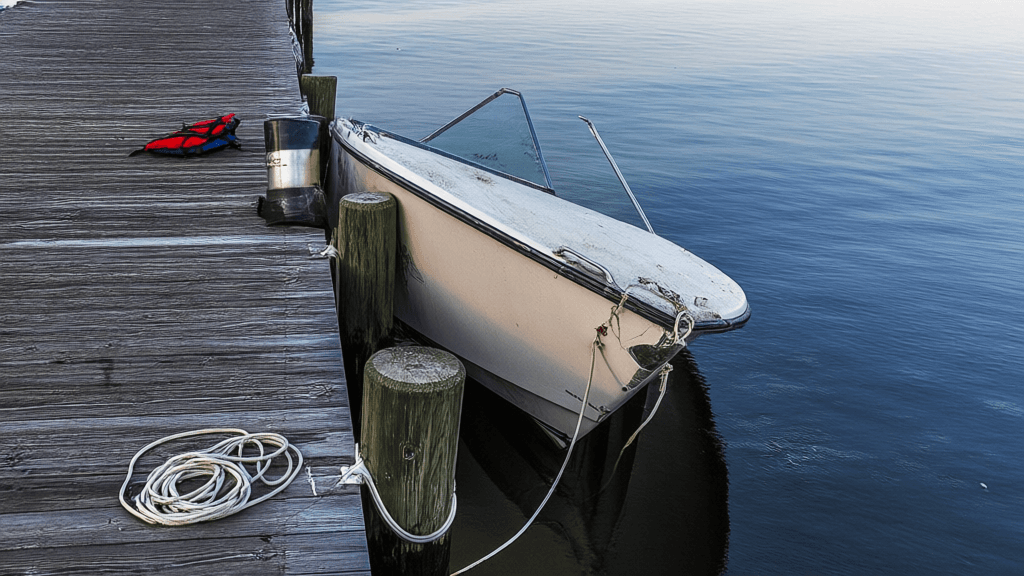
What to Do After a Boat Liability Incident on Long Island
A boat liability incident can involve injuries, damaged property, or both. This guide explains immediate safety measures...
Liability Coverage
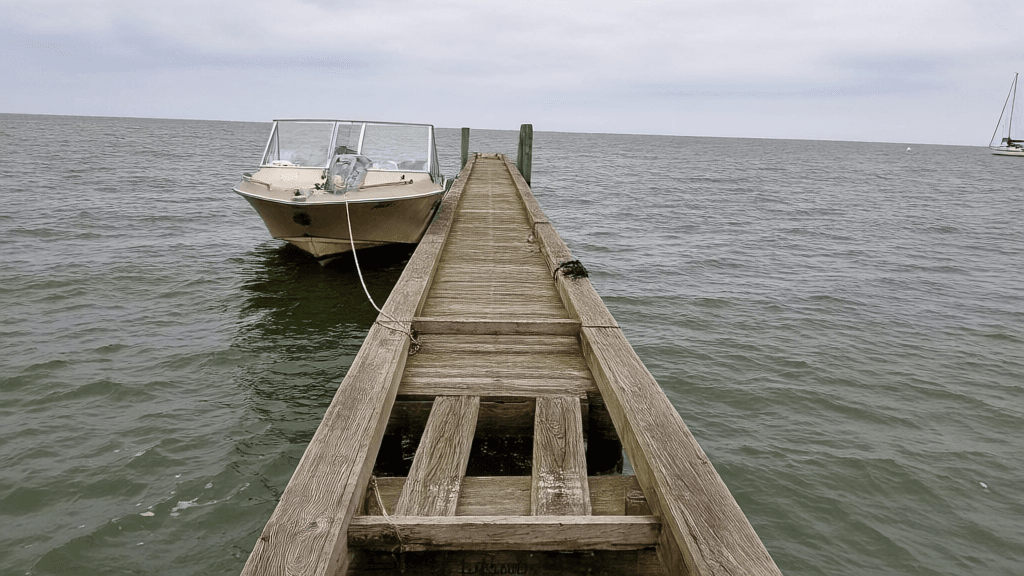
Liability Coverage Considerations for Long Island Boating Activities
Towing a skier or tube, carrying guests, and operating in crowded Long Island waters can raise distinct liability questi...
Liability Coverage
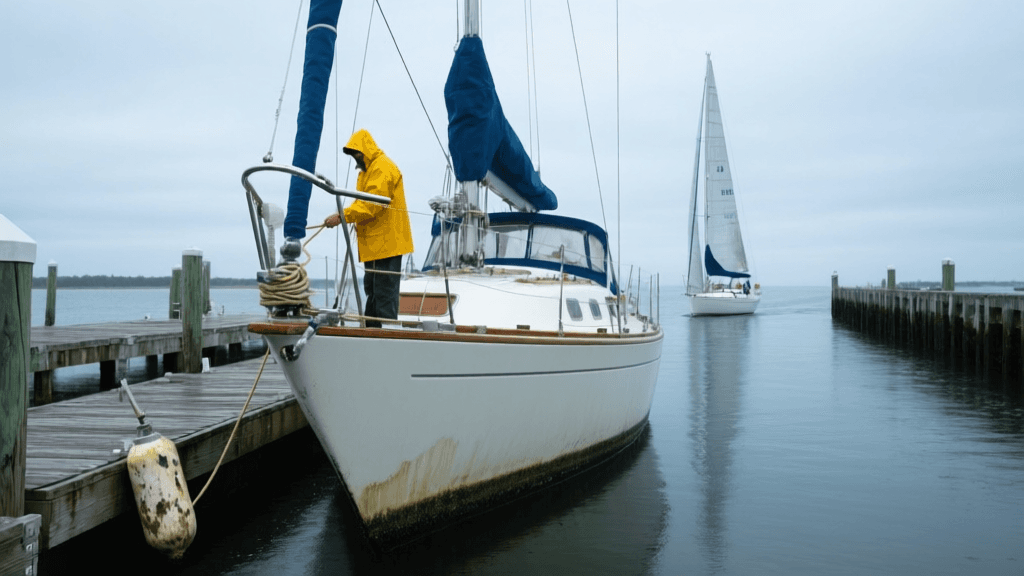
Boat Liability Coverage for Long Island Marina and Harbor Boaters
Boat liability coverage can help protect Long Island boaters when an accident causes injury or property damage. This gui...