What Personal Effects Can Mean on a Boat Policy
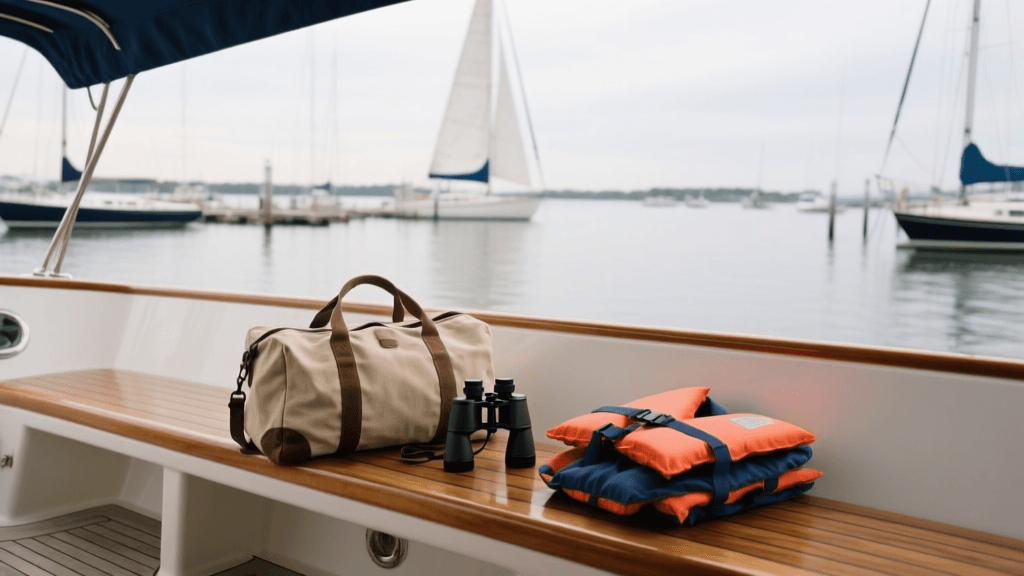
Personal effects generally means movable belongings that you or your guests bring aboard for personal use, rather than items that are part of the boat itself. Depending on the policy, examples may include clothing, a handheld phone, sunglasses, a camera, a portable cooler, or a bag. The exact definition is controlled by the policy wording, not by a universal list. For Long Island boaters, this distinction matters whether a day begins at a local marina or involves cruising the waters around the island. Check what the policy calls personal effects, who is covered, and whether the belongings are protected only while aboard.
Why the Definition Matters Around Long Island
A boat outing often involves carrying items that are easy to overlook until they are damaged, lost, or stolen. A family heading out from Huntington might bring phones, towels, a camera, and a picnic bag, while anglers may carry personal clothing and handheld electronics. A policy may set a separate limit for personal effects, apply a deductible, or exclude certain causes of loss. Coverage can also depend on whether the boat was secured, where an item was located, and whether it belongs to the boat owner or a passenger. These details affect how a claim is evaluated, so a broad label like personal property should not be treated as a promise that every item is covered.
Common Belongings That May Qualify
Portable belongings carried for comfort or recreation are the kinds of items most likely to be considered personal effects, subject to policy terms. Think of a jacket, shoes, a handheld camera, a personal tablet, a soft-sided cooler, or a small duffel bag. A fishing rod owned by an individual may be treated as personal property under one policy, while another policy may classify fishing gear separately or impose a special limit. Expensive items deserve particular attention: jewelry, high-end cameras, and electronics may have sublimits or exclusions. Before boating, make a simple inventory with each item’s approximate value and keep receipts or photographs. That record helps clarify what was aboard if something goes missing.
Personal Belongings Versus Boat Equipment
The key question is often whether an item is a movable belonging or equipment used to operate, navigate, or outfit the vessel. A phone brought along for the day is plainly portable, while a permanently installed chartplotter is generally part of the boat’s equipment. Anchors, built-in radios, fixed navigation systems, and installed seating may be handled under the boat’s hull or equipment coverage rather than a personal-effects provision. Removable gear can fall into a gray area: a portable GPS unit or an outboard accessory may be treated differently depending on how the policy defines equipment and whether it is listed or secured. Describe unusual or valuable gear accurately when seeking coverage clarification.
Limits, Deductibles, and Situations to Check
Even when an item fits the definition, the amount payable may be limited. Policies can cap payment per item or set one overall personal-effects maximum, and the boat deductible may or may not apply to that coverage. Losses may be excluded when belongings are left unattended, disappear without evidence of a covered event, or are damaged by wear, water, or another excluded cause. Coverage for a guest’s property can differ from coverage for the named insured’s belongings. Ask whether items are covered while stored aboard, during transport, or when temporarily taken ashore, and whether theft requires signs of forced entry. Getting these answers before a loss is more useful than relying on assumptions after one.
A Practical Review for Long Island Boaters
Long Island boaters may use their vessels in varied settings, from marina slips and launch areas to bays and open-water routes. That variety makes it useful to think through where belongings will be kept and how the boat will be secured when not in use. Someone leaving a bag aboard at a dock in Massapequa or Huntington should not assume the same conditions apply as when the boat is underway with an owner present. Residents in Plainview, Hicksville, Bethpage, Syosset, Woodbury, Jericho, Levittown, Farmingdale, Melville, Wantagh, and nearby communities can use the same review process: identify valuables, check storage practices, and confirm the policy’s geographic and use conditions.
What to Do Before Your Next Outing
Personal Effects Coverage Checklist
- Read the policy definition of personal effects and note whether it covers the owner, passengers, or both.
- Compare the overall limit and any per-item sublimits with the value of belongings commonly carried aboard.
- Ask how portable electronics, fishing gear, jewelry, and removable marine equipment are classified.
- Photograph valuable belongings and keep purchase records somewhere separate from the boat.
- Confirm which theft, damage, storage, and unattended-boat situations are covered or excluded.

How to Clarify Your Coverage
Start with the declarations page and policy wording, then make a list of the belongings and equipment you regularly carry. For each higher-value item, ask whether it falls under personal effects, boat equipment, or another property category, and request an explanation of applicable limits, deductibles, and exclusions. If an item is important to your boating routine, find out whether it should be specifically listed or insured under a separate policy. Keep the response with your policy documents and update the inventory when gear changes. Comparing policy language can help Long Island boat owners understand differences in protection without assuming that every boat policy treats portable property the same way.
Review What You Bring Aboard
Compare your belongings inventory with your boat policy’s definitions, limits, and exclusions before your next Long Island outing.
Get a Free Quote