What Boat Medical Payments Coverage May Do
A boating injury can bring immediate expenses even when the injured person has health insurance. Boat medical payments coverage, often called medical payments or MedPay, may help pay eligible medical costs after an accident involving the insured boat, subject to the policy’s terms and limit. It is generally designed for prompt medical bills rather than to determine who was legally at fault. For Long Island boaters, an injury could happen while someone is aboard, boarding, or stepping onto a dock, depending on the wording. This guide explains the details to check, because covered people, locations, expenses, and exclusions can vary substantially between policies.
Why It Matters for Long Island Boaters
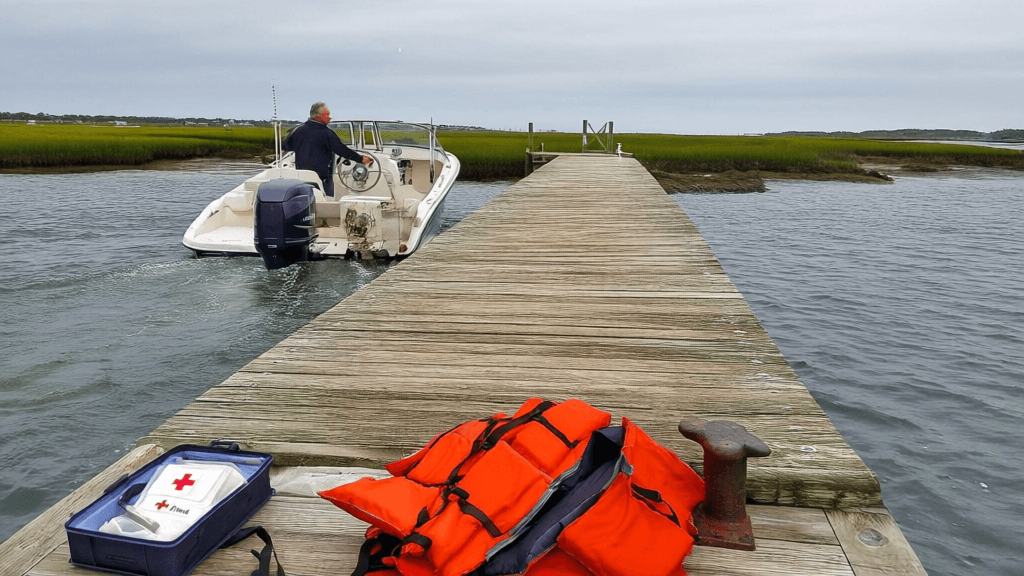
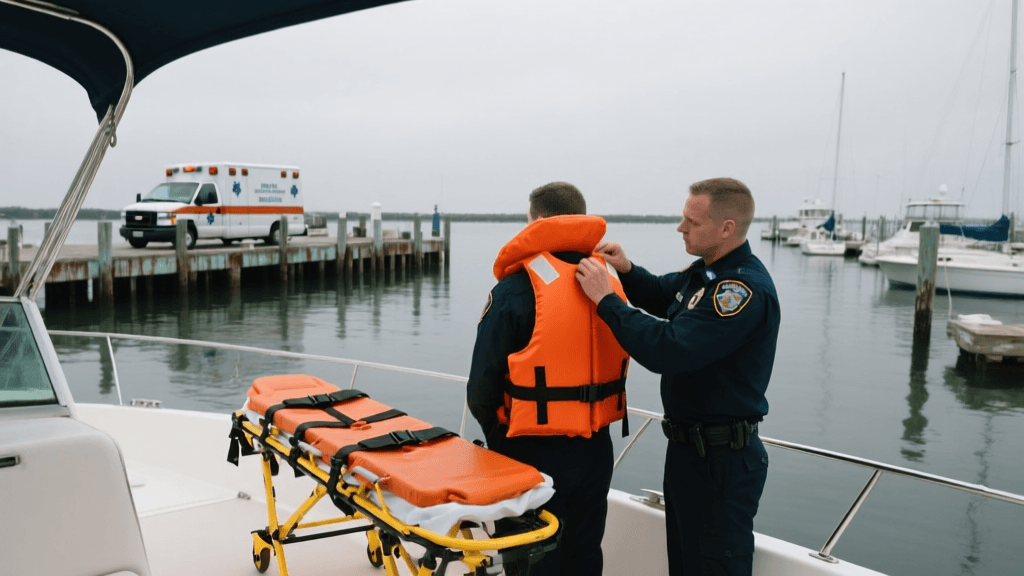
Long Island’s boating season brings busy marinas, launch ramps, and crowded waterways, from sheltered bays to open water along the coast. A passenger could slip on a wet deck, get hurt while boarding, or need evaluation after a sudden stop or collision. Even a relatively minor incident may involve an ambulance, urgent-care visit, diagnostic imaging, or follow-up treatment. Medical payments coverage may offer a defined source of help for eligible expenses, but it is not a substitute for health insurance and does not automatically cover every person or bill. Reviewing the policy before launching can clarify the applicable limit and claims process while there is time to ask questions.
Who May Be Covered After an Injury
The policy defines which injured people qualify. Some boat policies may cover the named insured and passengers aboard the insured watercraft; others may also address injuries while getting into or out of the boat. Coverage for the owner or operator can differ from coverage for guests, and a person injured on a dock may be treated differently than someone hurt aboard. Consider a family outing from a Nassau County marina: a guest slips while stepping from the dock into the boat. Whether that incident qualifies depends on the policy’s definition of an insured accident and covered location. Read those definitions rather than assuming that everyone nearby is protected.
Which Medical Expenses May Qualify
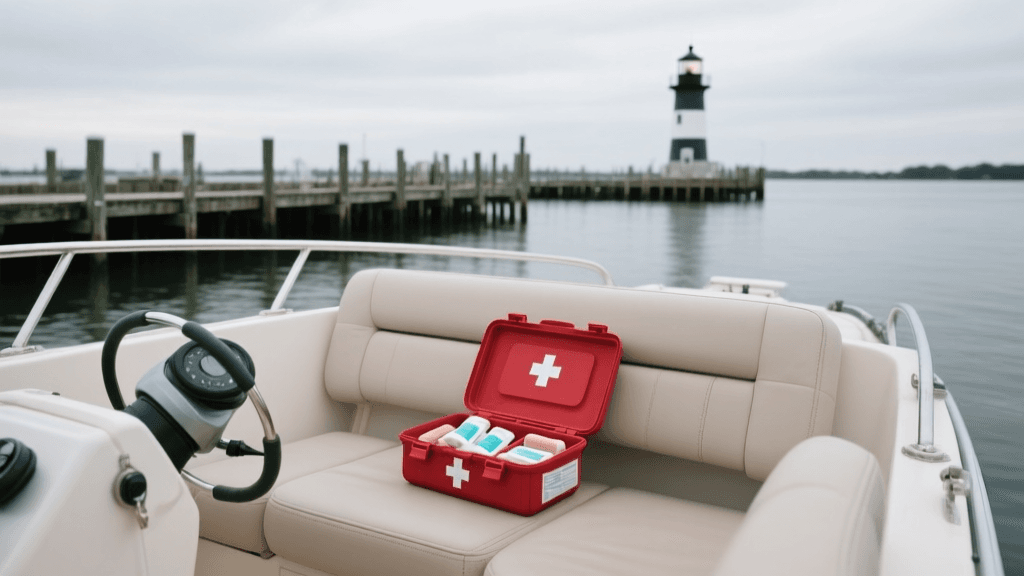
Depending on the contract, eligible expenses may include reasonable charges for emergency treatment, ambulance transportation, hospital services, physician care, or diagnostic tests related to an accidental injury. The policy may require treatment within a stated time after the incident, documentation of the accident, or submission of itemized bills. A fixed per-person limit is common, and payment cannot exceed the available limit even if total treatment costs are higher. Before relying on the benefit, check whether deductibles apply, how the insurer coordinates with health coverage, and whether follow-up care is included. Keep receipts, visit summaries, and the date and location of the incident to support a claim.
How MedPay Differs From Boat Liability
Medical payments coverage and liability coverage serve different purposes. MedPay may pay eligible medical expenses for a covered injury without requiring the injured person to establish that the boat operator was negligent, although policy conditions still apply. Liability coverage is intended to address an insured person’s legal responsibility for bodily injury or property damage to someone else. A liability claim can involve questions of fault, legal defenses, and settlement, while MedPay is typically limited to specified medical expenses and a stated dollar amount. For example, if a passenger is injured during an incident, MedPay may be relevant to immediate bills, while liability becomes relevant if the operator is alleged to have caused the injury.
Limits, Exclusions, and Questions to Ask
A listed medical payments limit is not a promise to reimburse every expense. Policies may exclude or restrict injuries connected with certain uses, racing, intentional acts, or activities outside the insured boat’s covered operation. The contract may also limit coverage to particular people, locations, or treatment periods. Ask whether the limit applies per injured person or per accident, whether the boat owner and operator are included, and how injuries during boarding or while on a dock are handled. Check whether the policy distinguishes between recreational and commercial use, and report an incident promptly according to its instructions. When language is unclear, request an explanation of the exact policy provision rather than relying on a general description.
Local Considerations Around Long Island
Long Island residents may keep boats near different kinds of launch points, from marinas on the South Shore to facilities serving North Shore harbors and nearby bays. The setting can affect the practical details of an injury: a guest might need help at a crowded dock, at a public launch, or after the boat has reached shore. Boaters based in Plainview, Hicksville, Bethpage, Syosset, Woodbury, Jericho, Levittown, Farmingdale, Melville, Huntington, Massapequa, or Wantagh may travel to several waterways during the season, so it is useful to confirm that the policy follows the insured boat as described in the contract. Local boating conditions do not change policy wording; the written terms determine coverage.
Policy Details Worth Checking
- Confirm the medical payments limit per person and per accident, and consider whether it fits the number of people typically aboard.
- Read the definitions for insured person, covered watercraft, accident, and eligible medical expenses.
- Ask whether boarding, exiting, dockside incidents, and injuries to the boat owner or operator are included.
- Keep the declarations page and claim-reporting instructions accessible, and save treatment records and itemized bills after an incident.
- Review medical payments alongside liability and health insurance so you understand what each policy may address.

Steps to Take Before the Next Outing
Before the next trip, read the boat policy’s declarations and medical payments provisions, then write down the limit, covered-person definition, and reporting deadline. If a provision is unclear, ask the insurer or a qualified insurance professional to explain how it applies to your boat and typical outings; do not assume a general summary overrides the contract. After an injury, prioritize appropriate medical care, document where and how the event occurred, collect witness details, and retain bills and treatment records. Comparing policies can help Long Island boat owners understand differences in limits and exclusions, but the right fit depends on the watercraft, passengers, and intended use. A careful review makes it easier to know what questions to ask before setting out.
Review Your Boat Medical Payments Coverage
Compare policy limits and exclusions so you can better understand how eligible injury expenses may be handled.
Get a Free Quote