

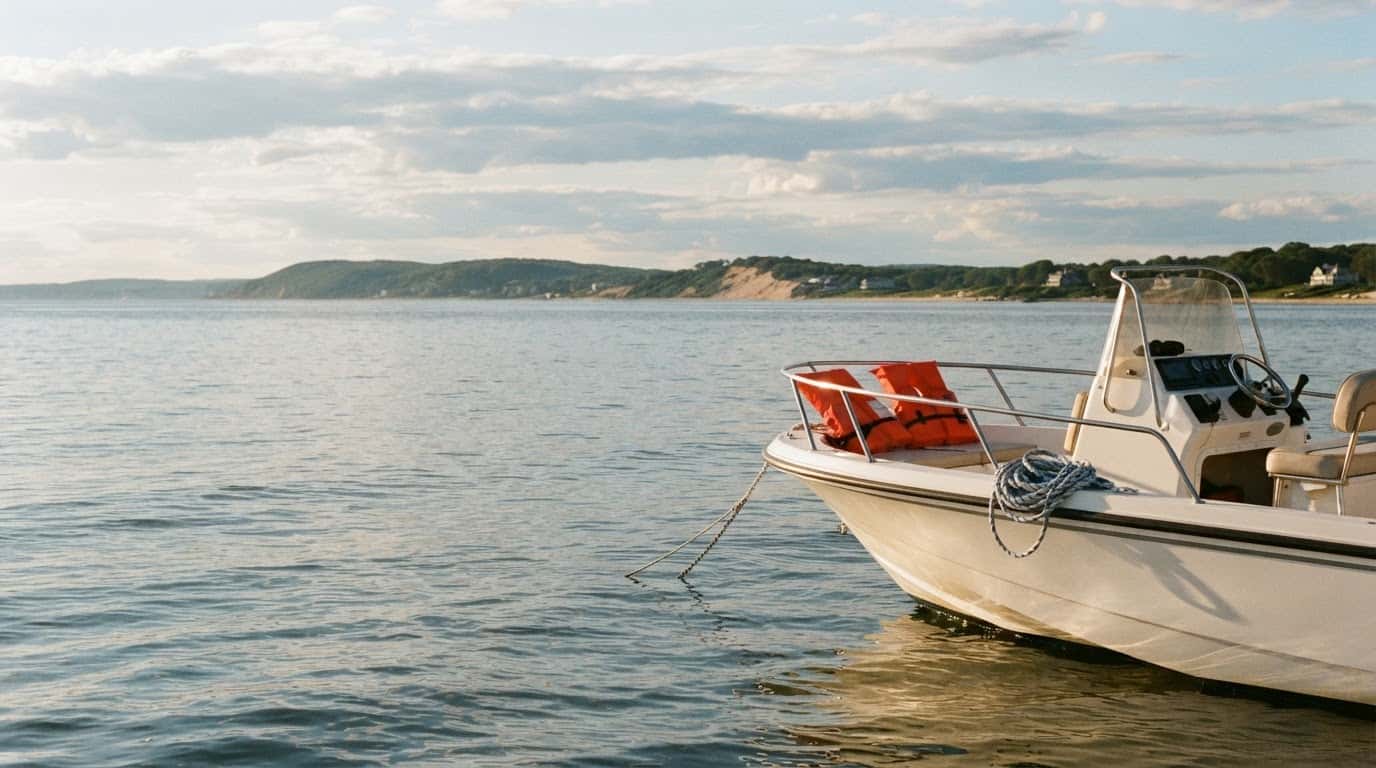
Safe boating on Long Island starts before the boat leaves the dock. Local trips may involve sheltered bays, narrow channels, busy harbors, and exposed ocean approaches, sometimes all in one outing. Conditions can change quickly, so operators should plan a route, check current marine forecasts, confirm required safety equipment, and make sure everyone aboard understands basic emergency procedures.
Understand the Water You Plan to Navigate
Long Island’s boating environment varies by location. Long Island Sound, Great South Bay, and the Atlantic-facing coastline each present different combinations of wind, waves, currents, traffic, and access to shelter. Shallow areas and shifting conditions can complicate navigation, while narrow passages and marked channels require attention to aids to navigation and other vessels. Check current charts and local notices before departure rather than relying on memory alone.
Check Weather, Tides, and Visibility
Review marine forecasts for the exact waters and time period of your trip. Pay attention to wind direction and speed, wave height, thunderstorms, fog, and any small-craft advisories or warnings. Tides and currents can affect clearance, handling, and the time needed to pass through an inlet or channel. Forecasts are not guarantees; monitor changing conditions while underway and turn back or seek safe shelter when the trip becomes uncomfortable or unsafe.
Before Leaving the Dock
- Check official marine forecasts, tide information, and relevant navigation notices.
- Tell a reliable person your destination, route, and expected return time.
- Confirm fuel, engine, steering, lights, communications equipment, and battery condition.
- Make sure every passenger knows where life jackets and emergency equipment are kept.
- Set a conservative turnaround point and identify suitable shelter along the route.

Carry and Use Required Safety Equipment
New York boating rules and federal requirements vary with vessel type, length, equipment, and operating circumstances. Common requirements can include wearable personal flotation devices for each person aboard, properly sized and serviceable life jackets, navigation lights when required, sound-producing equipment, and fire-safety equipment. Certain vessels and trips may also require visual distress signals or additional equipment. Check current New York State Parks boating guidance and applicable U.S. Coast Guard requirements for your specific boat; do not assume that equipment from a previous season remains compliant or usable.
Navigate Courteously and Keep a Proper Lookout
Maintain a lookout for boats, swimmers, paddlers, markers, and hazards, and travel at a speed appropriate to visibility, traffic, water conditions, and nearby shorelines. Follow posted restrictions and navigation aids, give other vessels room, and avoid creating a wake that could endanger people or property. In congested areas around Long Island, a designated passenger can help watch for hazards while the operator focuses on steering and navigation.
Prepare for an On-Water Emergency
Keep a charged phone in a waterproof case, but do not rely on a phone as your only means of communication. A properly installed and maintained marine VHF radio can be important for contacting nearby vessels or authorities where coverage is available. Know how to report your position, use distress equipment, shut down an engine safely, and provide basic first aid. In an immediate emergency, contact the appropriate emergency service or Coast Guard authority using the available means of communication.
Emergency Readiness Essentials
- Review the location and operation of the fire extinguisher, first-aid kit, and signaling equipment.
- Show passengers how to put on life jackets and where to sit safely underway.
- Keep a written float plan with a trusted contact on shore.
- Know the boat’s approximate position and describe nearby landmarks or navigation markers.
- Avoid operating a vessel under the influence of alcohol or impairing substances.
Account for Local Trips and Nearby Communities
Long Island residents traveling from communities such as Plainview, Hicksville, Bethpage, Syosset, Woodbury, Jericho, Levittown, Farmingdale, and Melville may reach different launch points and waterways. Plans should reflect the actual launch location and destination, not simply the distance from home. Boaters near Huntington, Massapequa, and Wantagh should likewise check conditions for their intended waterway, identify launch-area restrictions, and allow time for traffic or changing weather. Local access, parking, and launch rules can change; confirm them with the relevant municipal or state authority before setting out.
Build Skills and Verify Current Requirements
A boating safety course can help operators understand navigation rules, equipment, weather decisions, and emergency response. New York has boating education and certification requirements that can depend on age, vessel operation, and the law in effect. Verify current requirements through New York State Parks before operating, and consider refresher training even when it is not required. Requirements and local restrictions can change, so official state and federal guidance should take precedence over informal advice.
A Practical Pre-Trip Routine
Choose a route suited to the least experienced person aboard and the boat’s capabilities. Check the forecast and navigation information, inspect the vessel, count and fit life jackets, brief passengers, and share a float plan. During the trip, maintain a lookout, reassess conditions, and keep communication available. After returning, report your safe arrival to the person holding your float plan and note any equipment that needs repair or replacement before the next outing.
Trustworthy Safety Information
Use current information from New York State Parks, the U.S. Coast Guard, and official National Weather Service marine forecasts when checking rules, alerts, and conditions. These authorities publish guidance relevant to boating education, safety equipment, navigation, and marine hazards. This guide offers general educational information, not legal advice or a substitute for official requirements, on-water judgment, or professional instruction.
Answers to Boat Insurance Basics
Check the marine forecast, tides and currents, navigation notices, and conditions for your specific route. Inspect the boat, confirm required safety equipment, brief passengers, and leave a float plan with a reliable person.
New York and federal requirements apply depending on the vessel, passenger ages, and circumstances. Carry a properly sized, serviceable wearable life jacket for each person and check current New York State Parks and U.S. Coast Guard rules for your boat.
Yes. Wind, visibility, waves, and thunderstorms can change during a trip, and conditions differ among Long Island Sound, Great South Bay, harbors, and ocean waters. Check marine forecasts before departure and reassess conditions underway.
A charged phone in a waterproof case is useful, but coverage may vary and a phone should not be your only communication method. Consider suitable marine communications equipment, learn how to report your position, and understand how to use the vessel’s distress equipment.
State and federal safety requirements apply broadly, but local launch rules, access restrictions, navigation conditions, and hazards can differ by waterway and municipality. Confirm current information with the relevant official authority for the specific launch and route.
Consult New York State Parks for state boating education and safety information, and the U.S. Coast Guard for applicable federal requirements. Check official marine forecasts and navigation notices before each trip.
Get Your Boat Coverage Started
Compare boat insurance options tailored to Long Island waterways in minutes.