

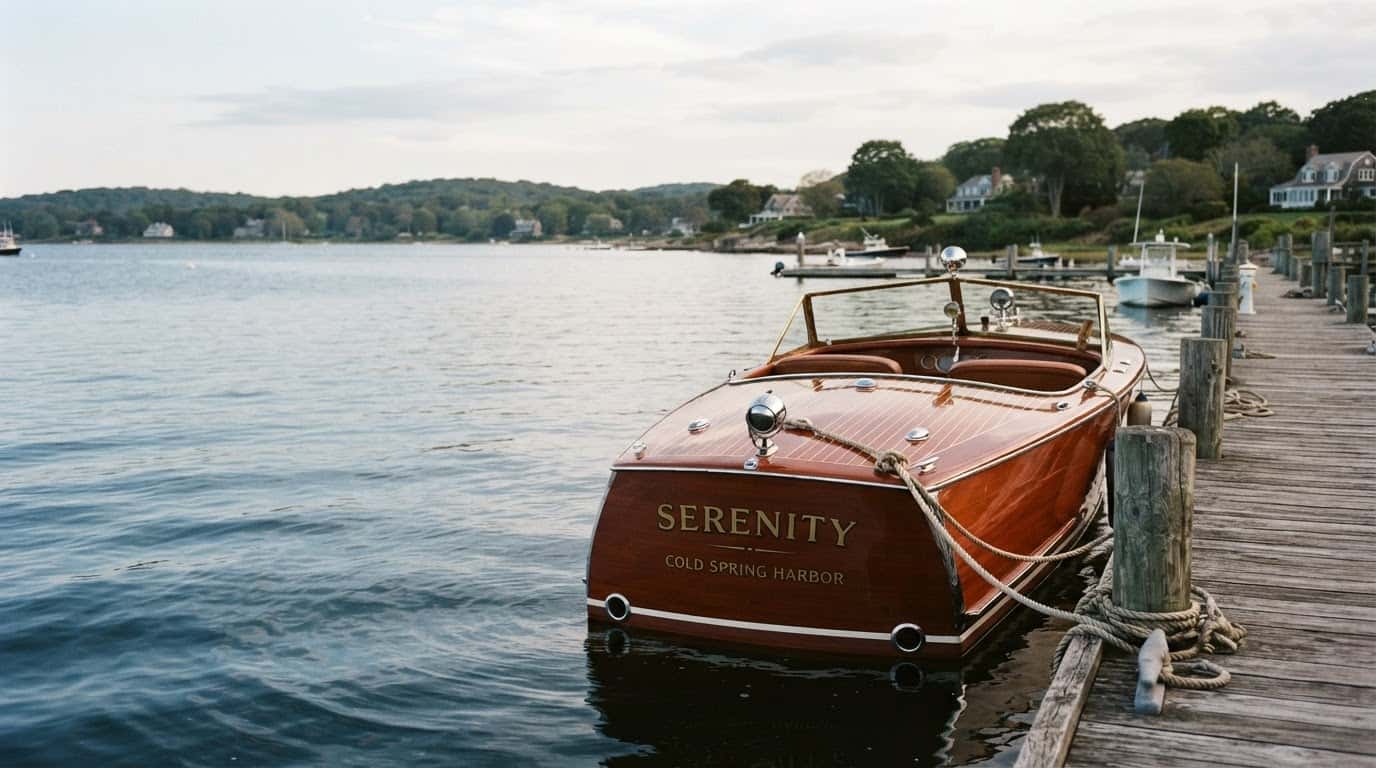
Boat Insurance Basics for Long Island Owners
Boat insurance can help protect an owner from covered losses involving the vessel, liability claims, and certain onboard property. The right policy depends on the boat’s type, value, engine, intended use, storage, and where it travels. On Long Island, boating may involve Long Island Sound, bays, harbors, and Atlantic-facing waters, so understanding navigation limits and seasonal protections is especially important.
Is Boat Insurance Required in New York?
New York generally does not require every recreational boat owner to carry a standard boat insurance policy simply to operate a vessel. However, a lender may require physical damage coverage for a financed boat, and a marina, yacht club, or other facility may require proof of liability insurance before allowing a boat to dock or enter. Requirements can differ by contract and facility, so check the exact terms rather than relying on a general rule. New York boating laws, registration rules, and safety requirements are separate from insurance obligations.
Common Types of Boat Insurance Coverage
A policy may combine several protections, but coverage varies by insurer and contract. Liability coverage can help with covered bodily injury or property damage claims for which an insured boater is legally responsible. Physical damage coverage may apply to the boat, motor, and permanently attached equipment after a covered event. Policies may also offer medical payments, uninsured or underinsured boater coverage, personal effects protection, and assistance for towing or emergency services. Review exclusions, deductibles, limits, and sublimits carefully.
Coverage Details to Compare
- Agreed value and actual cash value settlement terms for a covered total loss.
- Whether the motor, trailer, navigation equipment, and accessories are included or insured separately.
- Liability limits and any restrictions on passenger activities, water skiing, or commercial use.
- Medical payments, uninsured boater protection, and eligible towing or roadside assistance.
- Hurricane, named-storm, and winter storage provisions, including any required preparation.

Local Risks That Can Affect Long Island Coverage
Long Island boat owners should consider saltwater corrosion, changing weather, strong winds, wakes, and the possibility of coastal flooding or storm surge. A policy may have special deductibles or conditions for named storms, and it may require a specific haul-out or secure-storage plan. Ask whether the policy covers the boat in the waters where it will actually operate, including Long Island Sound, local bays, and offshore trips when applicable. Do not assume every body of water or travel distance is automatically covered.
Choosing Limits, Deductibles, and Valuation
Set liability limits with the boat’s size, passenger capacity, assets, and use in mind. Compare deductibles for ordinary physical damage separately from hurricane or named-storm deductibles. Confirm how the insurer values the vessel after a covered total loss: agreed value generally specifies an amount in the policy, while actual cash value typically considers depreciation. Ask how partial losses are settled and whether replacement parts, labor, salvage, and wreck removal are addressed.
Prepare for a Quote and Compare Policies
Gather the boat’s year, make, model, length, hull identification number, purchase price, engine details, and any recent survey. Be ready to describe boating experience, prior claims, typical passengers, intended use, storage location, and navigation area. When comparing quotes, use consistent coverage limits and deductibles; the lowest premium may reflect narrower coverage or stricter exclusions. Ask for policy documents and review them before binding coverage.
Practical Steps Before Selecting Coverage
- Identify any lender, marina, or yacht club insurance requirements.
- Confirm navigation territory and seasonal storage conditions in writing.
- Compare liability limits, valuation methods, deductibles, and exclusions side by side.
- Disclose boat modifications, business use, and planned offshore travel accurately.
- Keep registration, maintenance, safety equipment, and policy records accessible.
Coverage Considerations Across Long Island Communities
A boat owner’s home address does not necessarily determine where the boat is kept or used, so accurate details about marinas, moorings, and launch points matter. Owners in Plainview, Hicksville, Bethpage, Syosset, Woodbury, and Jericho may store or launch vessels elsewhere on Long Island. The same is true for boaters in Levittown, Farmingdale, Melville, Huntington, Massapequa, and Wantagh. Describe the vessel’s actual storage and operating pattern to help ensure the requested coverage matches its use.
Trustworthy Guidance and Policy Review
Insurance terms are defined by the policy, endorsements, and applicable law, and coverage cannot be confirmed from a quote summary alone. New York boaters can consult current state boating and registration information and should verify facility requirements directly with their marina or club. Before purchasing, ask the insurer or a properly licensed insurance professional to explain unclear terms, exclusions, storm provisions, and claim settlement rules. Revisit coverage after buying a different boat, changing its use, moving its storage, or adding substantial equipment.
Getting Boat Insurance on Long Island
Start by documenting the boat, its value, storage arrangements, and intended navigation area. Request comparable options, confirm that the requested liability and physical damage protections meet any lender or marina conditions, and review the full policy wording before choosing. Provide complete and accurate information, keep proof of coverage with the boat, and ask how to report a claim or request emergency assistance. The goal is a policy that reflects how and where the boat is actually used on Long Island.
Answers to Boat Insurance Basics
New York generally does not mandate a standard boat insurance policy for every recreational boat. A lender, marina, or yacht club may require specified coverage, and other rules such as registration and boating safety requirements still apply.
It depends on the policy. Review named-storm or hurricane deductibles, exclusions, navigation limits, and any requirements to haul out or secure the boat. Ask for clarification about the exact protections and conditions before storm season.
Not automatically. Policies define navigation territory and may restrict offshore travel or certain distances from shore. Confirm that the planned route and waters are covered before taking the boat out.
Insurers commonly request the boat’s year, make, model, length, value, engine details, and identification number, along with boating experience, claims history, storage, use, and navigation area. A recent survey may also be requested.
They can. Individual marinas and facilities set their own contract conditions, including liability limits and proof-of-insurance requirements. Check directly with the specific facility where the boat will be kept.
These settlement methods work differently. Agreed value specifies a policy amount for a covered total loss, while actual cash value generally accounts for depreciation. Compare the wording, premium, partial-loss settlement, and any limits before selecting.
Get Your Boat Coverage Started
Compare boat insurance options tailored to Long Island waterways in minutes.