

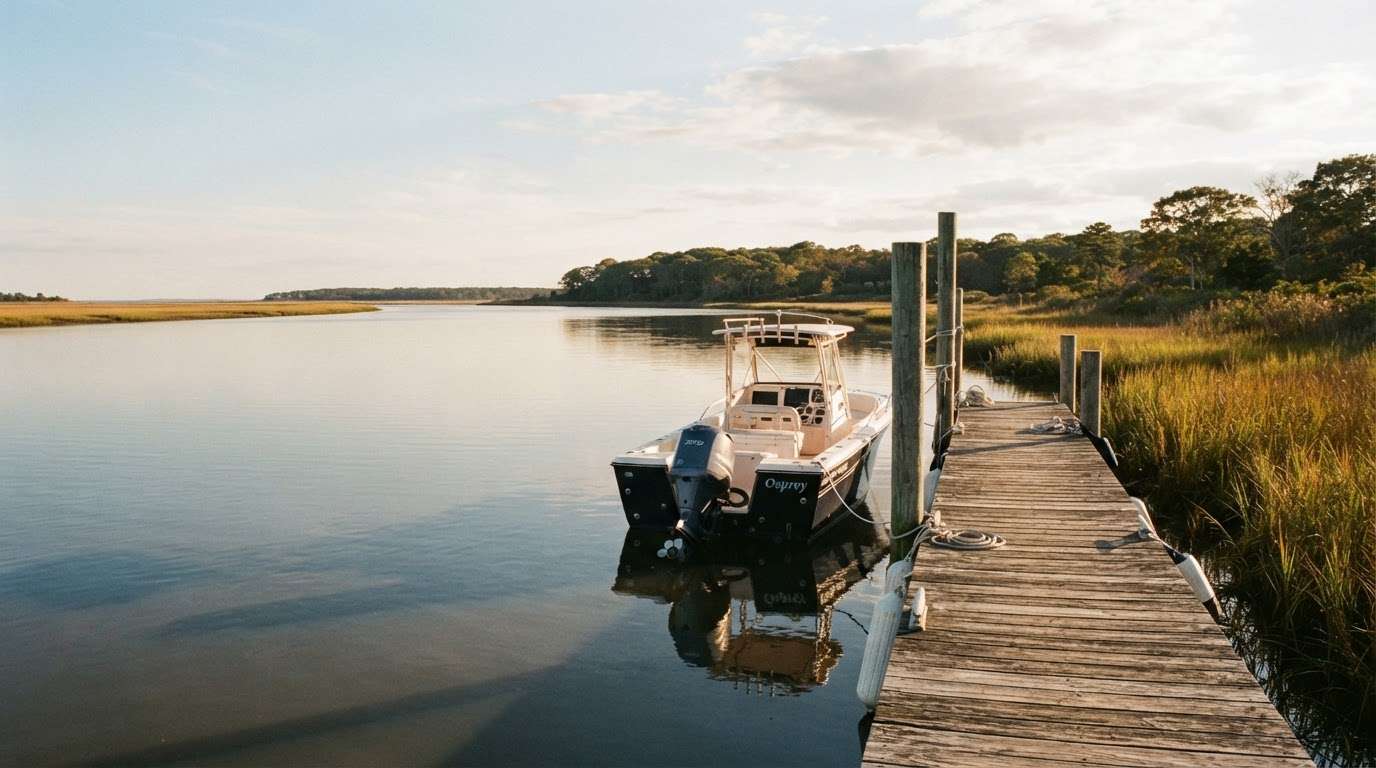
Boat Insurance in Oyster Bay
Boat insurance in Oyster Bay helps protect a vessel, its equipment, and the boat owner’s financial interests against covered losses on the water and, depending on the policy, while the boat is stored or transported. Oyster Bay’s maritime character makes coverage relevant to owners of powerboats, sailboats, fishing boats, and personal watercraft. Local boaters use Oyster Bay Harbor and nearby Long Island Sound waters for recreation, fishing, and trips between waterfront communities. Before a season begins, review the vessel’s value, where it will be moored, how it will be used, and who may operate it. Those details help determine whether a policy’s limits, navigation area, and exclusions fit actual use.
The Oyster Bay Insurance Landscape
Oyster Bay’s boating needs vary with vessel type, storage arrangements, and access to the harbor and surrounding bays. A boat kept at a marina faces different practical exposures from one trailered from an inland neighborhood such as Syosset or Plainview. Owners should check whether a policy covers the boat at its listed berth, during winter storage, and while being hauled or launched. Saltwater exposure can accelerate corrosion and wear, while crowded seasonal waterways make collision and liability limits worth careful review. Ask how the policy treats storm damage, theft of removable equipment, and damage during transit. Clear answers about deductibles, agreed value or actual cash value, and claim documentation make comparison more meaningful than price alone.
Coverage Types Available in Oyster Bay
A boat policy can combine several protections, but the exact terms differ by insurer and vessel. Hull coverage generally addresses physical damage to the boat and listed equipment after a covered event; liability coverage can help with covered injury or property-damage claims involving others. Medical payments may help with eligible medical expenses after a boating accident, while uninsured-boater coverage can be useful if an at-fault operator lacks adequate insurance. Owners should also ask about towing assistance on the water, personal effects limits, trailer coverage, and wreckage removal. For boats used for watersports, confirm whether the activity and participants are covered. Pollution liability and mechanical breakdown protection may be available subject to policy terms and exclusions.
Local Risk Factors in Oyster Bay
Oyster Bay boaters should account for changing conditions on Long Island Sound and in the harbor, including wind, chop, reduced visibility, and rapidly shifting weather. Nor’easters and tropical systems can bring strong winds, heavy rain, and storm surge that threaten boats at moorings, docks, and storage sites. Shallow areas, changing tides, and busy seasonal traffic also call for safe navigation and suitable liability limits. The precise exposure depends on the vessel’s location and route, so do not assume every policy covers every waterway or storm-related loss in the same way. Check navigation boundaries, named-storm provisions, hurricane haul-out requirements, and any deadlines for securing or moving the boat before severe weather.
Practical Coverage Priorities for Oyster Bay Boaters
- Match hull limits and valuation terms to the boat’s current value, installed equipment, and repair costs rather than relying on an outdated purchase price.
- Review liability limits in light of passenger use, marina activity, and the potential cost of damage to another vessel or dock.
- Confirm towing assistance applies to the waters you use and understand service limits, reimbursement rules, and distance restrictions.
- Ask how winter storage, trailer transport, storm preparation, and equipment theft are treated under the policy.
- Keep an inventory of electronics, safety equipment, and personal items, with photographs and receipts available for a potential claim.

Cost Factors for Oyster Bay Residents
How much boat insurance costs in Oyster Bay depends on more than the boat’s length. Insurers commonly consider vessel value, age, construction, engine type, horsepower, condition, and claims history, as well as the owner’s boating experience and intended use. Mooring location, storage method, navigation area, and storm-protection arrangements may also affect underwriting and premium. A newer high-value boat with extensive electronics can require higher limits than a modest fishing boat kept on a trailer, although the final price depends on insurer rules and selected deductibles. When comparing quotes, use the same liability limits, hull valuation, and optional protections. A lower premium may reflect a larger deductible, narrower navigation coverage, or exclusions that matter to your boating plans.
Why Local Coverage Knowledge Matters
Local context helps boat owners ask more useful questions about where and how a policy applies. An Oyster Bay resident may keep a vessel near the harbor, store it inland for winter, and trailer it through Nassau County before returning to the water; each stage can involve different policy terms. Verify the stated mooring address, navigation territory, lay-up period, and requirements for storm preparation. Also clarify whether guests may operate the boat and whether occasional fishing, cruising, or watersports change the coverage response. No guide can replace the policy contract: review definitions, exclusions, deductibles, and claim duties before binding coverage. Keeping registration, maintenance records, photographs, and equipment receipts organized can make a covered-loss claim easier to document.
Nearby Areas We Serve
Boat insurance questions also come from Oyster Bay-area communities beyond the waterfront. Residents of Plainview, Hicksville, Bethpage, Syosset, Woodbury, and Jericho may keep boats at home on trailers or arrange seasonal marina storage. Levittown, Farmingdale, Melville, Huntington, Massapequa, and Wantagh add further Nassau and western Suffolk perspectives, including different launch routes and storage routines. The right policy should follow the vessel and its declared use, not just the owner’s home address. When considering a policy, provide accurate details about where the boat is kept, where it travels, and who operates it. Coverage terms can vary by insurer, so nearby residents should compare limits and conditions against their specific boating plans.
Get Your Oyster Bay Boat Insurance Quote
Before requesting a boat insurance quote in Oyster Bay, gather the vessel’s year, make, model, length, hull identification number, purchase or agreed value, engine details, and any installed equipment information. Be ready to describe your boating experience, expected use, regular navigation area, mooring or storage location, and seasonal lay-up plans. Then compare quotes using consistent liability limits, deductibles, and optional protections such as towing, personal effects, trailer coverage, and uninsured-boater coverage. Ask how named storms, haul-out requirements, and claims involving wreckage removal are handled. Reading the declarations and policy wording before the first launch can help reveal gaps while there is still time to address them. Revisit coverage after upgrades, a change in storage, or a new vessel purchase.
Review Boat Coverage Before Your Next Oyster Bay Launch
Compare the policy limits, navigation terms, storm conditions, and optional protections that fit your vessel and boating routine.
Get a Free QuoteAbout Oyster Bay
County
Nassau County
Frequently Asked Questions
Requirements can depend on how and where a boat is used, as well as marina, lender, or storage agreements. Even when a particular law or contract does not require a policy, liability and physical-damage coverage can help protect against costly accidents and covered vessel losses. Confirm current requirements with the relevant authority or facility and review the policy conditions for your boat.
Many owners compare hull and liability coverage first, then consider medical payments, uninsured-boater protection, towing assistance, personal effects, and trailer coverage. Oyster Bay boaters should also review navigation limits, storm provisions, and winter storage terms. The appropriate combination depends on vessel value, use, passengers, mooring, and the policy’s exclusions and limits.
There is no single price for Oyster Bay boat insurance. Premiums can depend on the vessel’s value, age, size, engine, operator experience, claims history, navigation area, storage, chosen limits, and deductibles. Compare quotes with matching coverage terms and ask what restrictions or optional protections explain any meaningful price difference.
Storm coverage depends on the policy language, insured location, cause of loss, and compliance with any preparation or haul-out requirements. Review named-storm wording, deductibles, notice deadlines, and instructions for securing or moving the boat. Ask how coverage applies while the vessel is moored, stored ashore, or being transported.
Some policies offer on-water towing assistance, but service areas, reimbursement limits, eligible incidents, and provider arrangements vary. Confirm that the coverage applies to the waters you navigate near Oyster Bay and Long Island Sound, and understand whether you must contact a designated service provider or obtain approval before arranging a tow.